
Brake System Basics Every Driver Should Understand
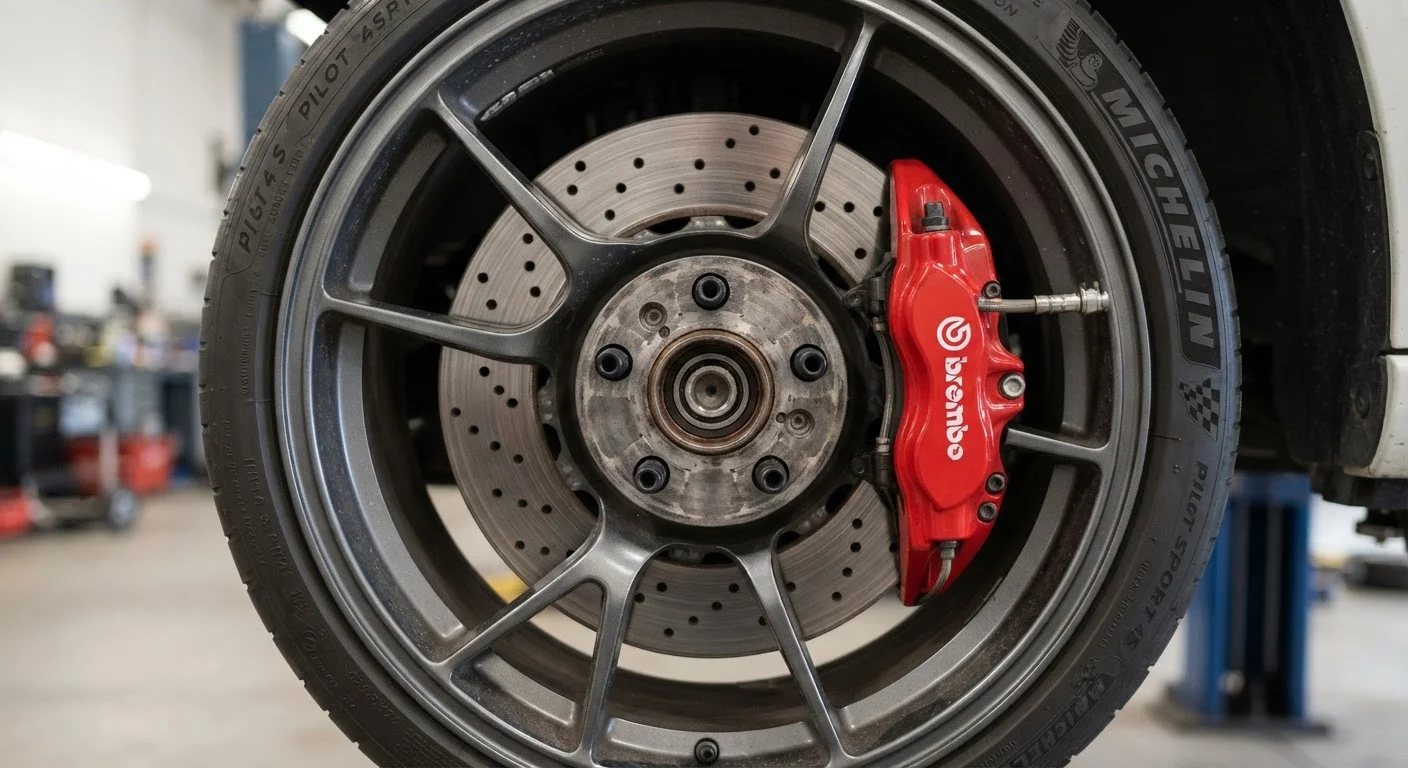
Photo credit: TheBlogZappier.com | Simple Search, Credible Results
In this article
How disc and drum brakes work, what causes wear, and the signs that your braking system deserves a professional inspection.
Key Takeaways
- Disc brakes use a caliper to clamp pads against a rotor; drum brakes press shoes against the inside of a drum.
- Brake pads and shoes wear down gradually and require periodic replacement to maintain safe stopping distances.
- Squealing, grinding, vibration, or a soft brake pedal are all signals that deserve prompt professional inspection.
- Brake fluid absorbs moisture over time and should be checked and replaced on the interval your vehicle manufacturer recommends.
- Aggressive late braking is one of the fastest ways to accelerate brake component wear.
How Disc and Drum Brakes Work
Every time you press the brake pedal, a carefully engineered chain of events unfolds within milliseconds. The pedal pushes fluid through the master cylinder and into hydraulic lines that run to each wheel. That pressure activates one of two braking mechanisms: a disc brake or a drum brake.
Disc brakes are found on the front wheels of virtually all modern passenger vehicles and on the rear of many as well. A flat metal rotor spins with the wheel. When you brake, a caliper squeezes friction pads against both faces of that rotor, creating the friction needed to slow the car. The open design allows heat to dissipate quickly, which is why disc brakes are favored for high-load or performance applications.
Drum brakes enclose the friction surfaces inside a hollow drum that rotates with the wheel. Curved brake shoes are pressed outward by a wheel cylinder, contacting the drum's inner surface. Because heat builds up inside the drum, they are more susceptible to brake fade - a temporary loss of stopping power during sustained heavy braking - but they remain cost-effective and durable for rear-axle use on many everyday vehicles.
For a deeper look at how these systems interact with safety technologies like ABS, see why your braking system is more complex than a single pedal.
“The braking system is arguably the most safety-critical system on a vehicle. Unlike an engine problem that might leave you stranded, a brake failure can have immediate and severe consequences - which is why proactive inspection matters more here than almost anywhere else on the car.”
— Automotive Safety Foundation, Vehicle safety research and driver education organization
What Causes Brake Wear - and How to Slow It Down
Brake pads and shoes are consumable components designed to wear away in place of the more expensive rotors and drums. Friction is unavoidable, but several factors determine how quickly that wear occurs.
- Driving style: Late, hard braking generates more heat and removes more pad material per stop than gradual deceleration. Anticipating traffic and coasting before applying the brakes meaningfully extends pad life.
- Vehicle load: Heavier loads require more braking force, accelerating wear. Towing or carrying consistently heavy cargo shortens service intervals.
- Terrain: Hilly or mountainous driving demands more frequent brake application. Drivers in these areas should expect shorter intervals between inspections.
- Pad material: Organic pads are quieter but wear faster; semi-metallic pads last longer but can be harder on rotors; ceramic pads offer a balance of durability and low dust.
Driving habits play a surprisingly large role. Everyday habits that quietly accelerate mechanical wear - such as riding the brake pedal lightly while in motion - can shorten component life without the driver ever noticing.
Extend Pad Life With Anticipation Braking
Rather than braking hard and late, try easing off the accelerator well before a stop and applying steady, moderate pressure. This technique distributes heat more evenly, reduces peak friction load, and can meaningfully extend the life of both pads and rotors. It also gives following drivers more time to react.
Warning Signs That Warrant a Professional Inspection
Your vehicle communicates brake problems through several distinct signals. Recognizing them early keeps minor maintenance from becoming costly repairs - or a safety incident.
- Squealing or screeching
- A high-pitched noise during braking typically indicates wear indicators contacting the rotor. It means pad replacement is due.
- Grinding
- A metallic grinding sound means pad material has worn through entirely and metal is contacting metal. Immediate inspection is necessary, as rotor damage escalates repair costs significantly.
- Vibration or pulsation
- A pulsating pedal or steering wheel shimmy during braking often points to warped rotors or uneven pad deposits on the rotor surface.
- Soft or spongy pedal
- When the pedal sinks closer to the floor than usual before engaging, there may be air in the hydraulic lines or a brake fluid leak - both reduce stopping effectiveness.
- Pulling to one side
- If the vehicle drifts left or right under braking, a caliper may be sticking or brake components may be wearing unevenly.
The brake warning light on your dashboard is another indicator not to ignore. Our dashboard warning lights quick-reference guide explains what triggers common brake-related symbols and how urgently each one should be addressed.
Brake Repairs Are Safety-Critical Work
Unlike many maintenance tasks, brake system repairs directly affect your ability to stop the vehicle in an emergency. While visual pad inspections are reasonable for a knowledgeable owner, brake line work, caliper replacement, and rotor resurfacing should be performed by a qualified mechanic with the proper tools. If you are uncertain about any symptom, have the vehicle professionally inspected before driving at speed.
Brake maintenance fits within a broader vehicle upkeep routine. A full routine maintenance schedule can help you track inspection intervals alongside oil changes, tire rotations, and brake fluid checks. For guidance on which brake tasks are appropriate for home mechanics and which require professional tools, see DIY car maintenance vs. taking it to a mechanic.
This article is for general informational purposes only. Brake system service involves safety-critical components - always consult a qualified mechanic for diagnosis, repair, or if you are uncertain about the condition of your vehicle's brakes.
Frequently Asked Questions

Author
Autos & Driving Editorial Team
Autos & Driving Editorial Team is the collective byline for our editorial team and contributor network. Articles published under this byline or an editorial pen name are researched, written, and reviewed according to our editorial standards for clarity, consistency, and independence before publication.
View all articles →