
Dental Health in Pets: The Care Area Most Owners Overlook
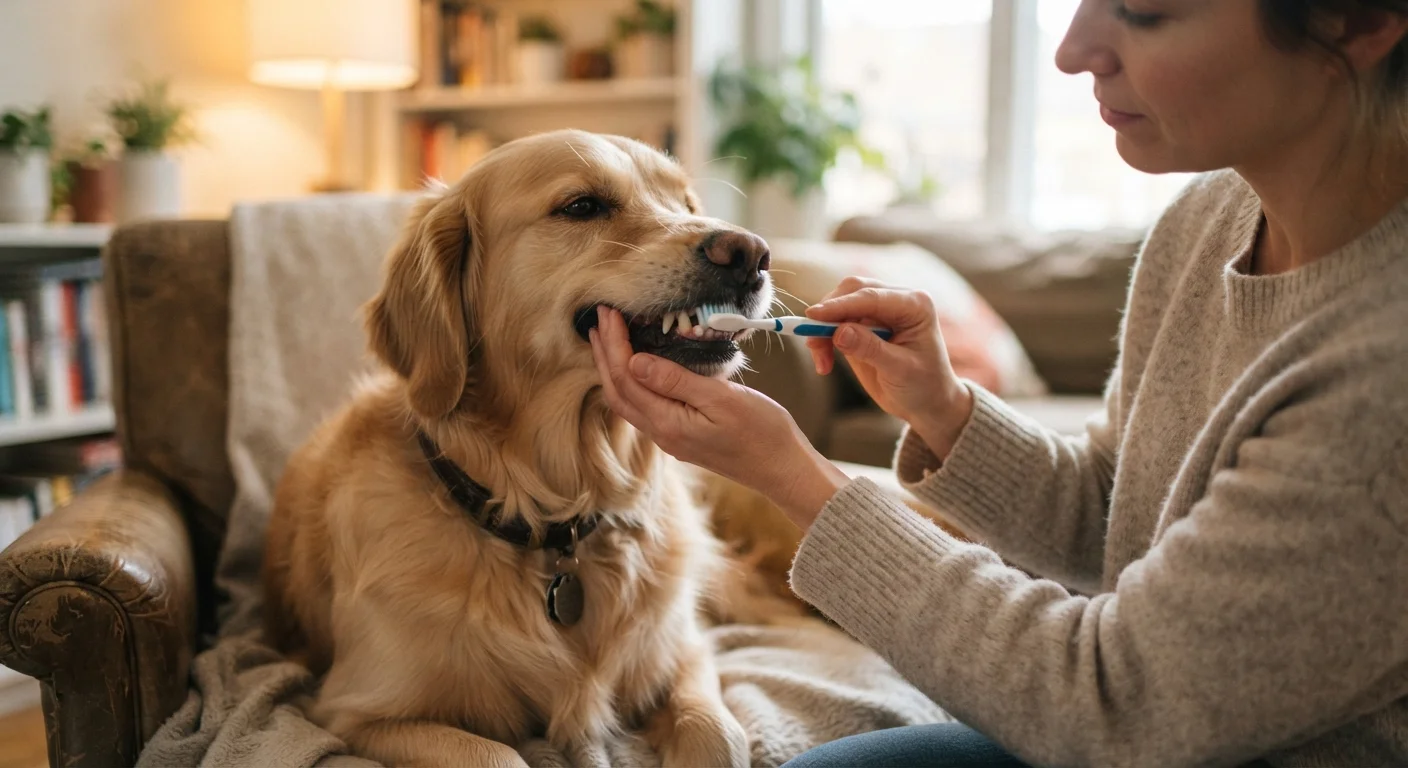
Photo credit: TheBlogZappier.com | Simple Search, Credible Results
In this article
Periodontal disease is among the most common conditions vets diagnose in dogs and cats. Here's what good dental care actually involves, from brushing to check-ups.
Key Takeaways
- Periodontal disease affects the majority of dogs and cats by age three.
- Daily tooth brushing with pet-safe toothpaste is the single most effective home intervention.
- Bad breath is often the first owner-noticed sign of dental disease, not just a cosmetic issue.
- Professional dental cleanings under anesthesia allow complete assessment and treatment.
- Untreated dental disease can contribute to systemic health complications over time.
Why Dental Health Is So Often Missed
Most pet owners stay on top of vaccinations and flea prevention, but dental care is consistently one of the most neglected areas of routine pet health. This is partly because dental disease develops quietly — pets rarely show obvious pain until a condition is well advanced — and partly because many owners simply aren't aware that brushing a pet's teeth is something they should be doing at all.
Dental hygiene belongs in the same category as nutrition and exercise when it comes to long-term wellbeing. As part of the daily routines that support pet health, oral care is worth building into a consistent habit early — ideally from puppyhood or kittenhood, when pets are most receptive to handling.
Start Dental Habits Early
The earlier you introduce mouth handling and brushing, the more cooperative your pet is likely to be as an adult. Even brief, positive sessions during puppyhood or kittenhood build tolerance that pays off for years. If your pet is already an adult, go slowly — gradual desensitization still works, it just takes more patience.
How Periodontal Disease Develops
Periodontal disease — infection and inflammation of the structures supporting the teeth — is among the most commonly diagnosed conditions in veterinary practice. It begins with plaque, a soft bacterial film that forms on tooth surfaces shortly after eating. When plaque mineralizes, it becomes tartar (also called calculus), a hard deposit that cannot be removed by brushing alone.
Tartar accumulation leads to gingivitis, the earliest stage of gum disease, characterized by redness and swelling along the gumline. Without intervention, this progresses to periodontitis, where infection spreads below the gumline, destroying the bone and ligaments that hold teeth in place. At advanced stages, teeth loosen and may be lost entirely.
~80%
Dogs with periodontal disease by age 3
According to the American Veterinary Medical Association, the majority of dogs show signs of dental disease by their third birthday.
~70%
Cats affected by dental disease by age 3
Veterinary dental organizations report that most cats develop some form of periodontal disease before middle age.
#1
Most common health problem diagnosed in pets
Dental and oral disease consistently ranks as the most frequently diagnosed condition in routine veterinary examinations across the US.
The progression from healthy mouth to significant periodontal disease can happen within months if plaque is allowed to accumulate unchecked. Early-stage gingivitis is reversible with proper cleaning; bone loss from periodontitis is not.
Signs Your Pet May Have a Dental Problem
Because pets instinctively mask discomfort, dental problems often go unnoticed until they're significant. Knowing what to watch for helps you act earlier. Common indicators include:
- Persistent bad breath — a noticeable, unpleasant odor that doesn't resolve with normal care
- Discolored or visibly brown teeth — tartar buildup along the gumline
- Red, swollen, or bleeding gums
- Difficulty chewing or dropping food
- Pawing at the mouth or face
- Reduced appetite or preference for soft food
- Visible facial swelling — which may indicate a tooth root abscess
Bad breath in pets is frequently dismissed as normal, but it's actually one of the clearest early warning signs of bacterial overgrowth in the mouth. If you're unsure whether what you're seeing is normal, common pet health myths can help you separate fact from assumption before your next vet visit.
Don't Wait for Obvious Pain
Pets are highly effective at hiding discomfort, and dental pain is no exception. By the time a pet refuses food or shows visible distress, disease is usually well advanced. If you notice bad breath, visible tartar, or behavioral changes around eating, schedule a veterinary oral exam promptly — don't wait for the next routine appointment.
Home Care: What Actually Works
Tooth brushing remains the gold standard for home dental care. Used daily, a pet-specific toothbrush and enzymatic pet toothpaste can significantly slow plaque accumulation and reduce the risk of disease progression. Never use human toothpaste — it contains ingredients such as fluoride and xylitol that are toxic to animals.
Building a brushing routine takes patience. Start by letting your pet smell and lick the toothpaste, then gradually introduce the brush over several sessions before attempting a full brushing. Focus on the outer surfaces of the upper back teeth, where tartar accumulates fastest.
Start a brushing routine during the first weeks you have your pet — kittens and puppies accept mouth handling far more readily than adults introduced to it later.
Habituation early in life reduces resistance to routine care and makes long-term home dental hygiene significantly more achievable.
When selecting a dental chew, look specifically for the VOHC Seal of Acceptance on the packaging rather than relying on general marketing claims like 'clinically proven' or 'vet recommended.'
The Veterinary Oral Health Council independently reviews product efficacy data, giving the seal a level of credibility that broader marketing language lacks.
If brushing proves impossible, there are adjunct tools worth discussing with your veterinarian:
- Dental wipes and finger brushes — useful for pets who resist a full brush
- Water additives — may help reduce bacterial load, though effectiveness varies
- Dental chews — look for products approved by the Veterinary Oral Health Council (VOHC), which independently reviews efficacy claims
- Dental diets — specially formulated kibble designed to reduce plaque mechanically
No supplement or chew replaces brushing, but combining approaches provides better coverage than any single method alone.
Professional Cleanings and Vet Check-Ups
Even with diligent home care, professional dental cleanings are a necessary part of your pet's health routine. Unlike human cleanings performed while awake, veterinary dental procedures require general anesthesia — this is the standard of care, not optional, because it allows a thorough examination of all tooth surfaces, below the gumline, and into areas that a conscious, moving animal would never tolerate safely.
During a professional cleaning, your veterinarian or veterinary technician will scale tartar from all tooth surfaces (including below the gumline), probe for periodontal pockets, take dental X-rays to assess root and bone health, and polish the enamel. Dental X-rays are particularly important because a significant portion of each tooth lies below the gumline and is invisible to a visual exam alone.
How often your pet needs a professional cleaning depends on factors including breed, age, diet, and home care habits. Small-breed dogs and flat-faced (brachycephalic) breeds tend to develop dental disease faster due to tooth crowding. Your vet is the right person to recommend a schedule based on your specific pet's oral health. Investing in preventive dental care is one area where regular spending genuinely pays off — see our overview of why preventive vet care is cost-effective for a broader look at the financial logic.
Anesthesia-Free Cleanings Are Not Equivalent
Some groomers and pet stores offer 'anesthesia-free' dental cleanings. These procedures can polish visible tooth surfaces but cannot safely or effectively clean below the gumline, where periodontal disease actually develops. The American Veterinary Dental College and other professional bodies do not recommend them as a substitute for proper veterinary dental care.
Cats vs. Dogs: Different Mouths, Same Risks
Both cats and dogs are highly susceptible to periodontal disease, but cats face an additional concern: feline tooth resorption (TR), a painful condition in which the tooth structure breaks down from the inside. It's thought to affect a substantial proportion of adult cats, yet it often causes no obvious symptoms until a veterinary exam reveals the damage. Tooth resorption has no known preventable cause and typically requires extraction of affected teeth.
Dogs, particularly small breeds, are prone to overcrowded teeth that trap plaque and are difficult to clean effectively. Certain large breeds have their own dental quirks, including a higher incidence of fractured teeth from hard chew objects like antlers and bones — a risk worth discussing with your vet before choosing chew toys.
For a side-by-side look at how oral care fits into the broader picture of species-specific needs, our article on how cats and dogs differ in core care covers these distinctions in detail.
Regardless of species, the fundamentals remain the same: start early, brush when possible, schedule professional assessments, and treat dental health as a routine part of your pet's preventive care — not an afterthought.
This article is for general informational purposes only and does not constitute veterinary advice. Always consult a licensed veterinarian for guidance specific to your pet's health needs.

Author
Pets & Animals Editorial Team
Pets & Animals Editorial Team is the collective byline for our editorial team and contributor network. Articles published under this byline or an editorial pen name are researched, written, and reviewed according to our editorial standards for clarity, consistency, and independence before publication.
View all articles →