
Common Assumptions About Refurbished Phones That Aren't Quite Right
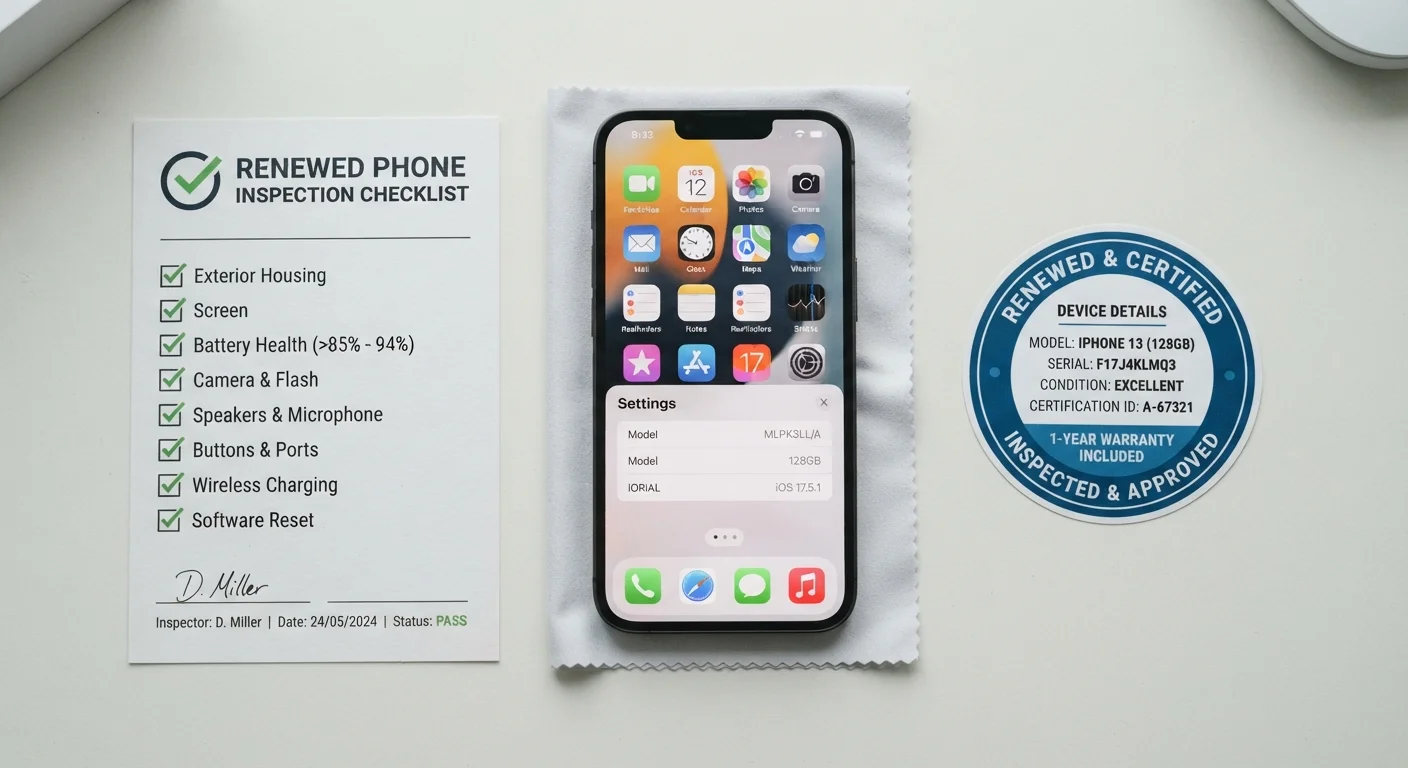
Photo credit: TheBlogZappier.com | Simple Search, Credible Results
In this article
Refurbished doesn't mean broken or risky. A myth-busting look at what certified refurbished actually means and what to verify.
Key Takeaways
- Certified refurbished phones must pass defined inspection and testing standards before being resold.
- Battery health and cosmetic grading are separate categories — always check both before buying.
- Refurbished phones can receive the same software updates as new devices of the same model.
- Warranties on certified refurbished devices vary by seller, so read the terms carefully.
- Carrier compatibility depends on network bands, not whether a phone is new or refurbished.
Why Refurbished Phones Get an Unfair Reputation
The term "refurbished" tends to trigger skepticism — and some of that caution is reasonable. But a lot of the hesitation comes from assumptions that don't hold up once you look at what certified refurbishment actually involves. If you're weighing your options, the guide for first-time smartphone buyers offers useful context on how to evaluate any phone purchase, new or otherwise.
The core issue is that "refurbished" isn't a single standard — it spans everything from manufacturer-certified programs with rigorous testing to informal resales with little oversight. Understanding that distinction is the first step to making a confident decision.
Myth
Refurbished phones are basically broken devices that someone returned because they stopped working properly.
Fact
Most refurbished phones are returns, trade-ins, or overstock units — many of which were never used for more than a few days.
The word "refurbished" covers a wide range of histories. A significant share of units entering the refurbished market are customer returns made within a retailer's return window — sometimes because the buyer changed their mind, not because anything was wrong. Others come from corporate fleet upgrades or manufacturer overstock. Devices with actual defects are repaired and retested before they're certified and resold. The certified designation, offered by manufacturers and vetted third-party refurbishers, means the device has cleared a defined checklist of functional tests — not that it barely scraped through.
Myth
The battery in a refurbished phone will already be significantly degraded and won't hold a charge well.
Fact
Reputable certified refurbishers replace or test batteries to meet a stated minimum health threshold, commonly around 80% or higher capacity.
Battery degradation is real, but it's also measurable. Certified programs typically require that batteries meet a minimum capacity percentage — often 80% or above — before a device can carry that certification. Some programs replace the battery outright. What's important is that you ask or look for the specific threshold the seller states, because policies differ. A phone sold as "refurbished" without any battery health disclosure is a different situation from one carrying an explicit certification with documented standards. Don't assume — verify the seller's specific battery policy before purchasing.
Myth
Refurbished phones don't qualify for software updates and will be stuck on an older operating system.
Fact
Software update eligibility is tied to the device model, not its purchase history or condition at the time of sale.
Whether a phone receives operating system updates depends on the manufacturer's support policy for that model — full stop. A refurbished device running the same hardware as its new counterpart follows the same update schedule. Where things can go wrong is if the device was sold with a very outdated software version and the seller didn't apply available updates before shipping. It's worth checking that the phone is running a current software version when you receive it, and verifying how much manufacturer support time remains for that model. These are worthwhile questions for any phone purchase, refurbished or new.
Myth
You can't use a refurbished phone on your current carrier because it won't be compatible with their network.
Fact
Carrier compatibility is determined by the phone's supported network bands and lock status, not whether it was sold as new or refurbished.
Two factors actually control carrier compatibility: whether the phone is locked to a specific carrier, and whether it supports the radio frequency bands your carrier uses. Both of these are the same for a refurbished model as they would be for a new one with identical hardware. A refurbished phone that is carrier-unlocked and supports the right bands will work the same as a new unlocked phone. Always confirm the device's lock status and check that its supported bands match your carrier's network — especially for LTE or 5G coverage — before committing.
Myth
All refurbished phones come with the same warranty protection as new devices.
Fact
Warranty terms on refurbished devices vary considerably by seller and certification program — some are generous, some are minimal.
This is one of the most important areas where assumptions can lead to disappointment. Manufacturer-certified refurbished programs often include a one-year limited warranty similar to a new device's coverage. Third-party refurbishers may offer 30, 60, or 90 days — or something more comprehensive. Some retailers offer nothing beyond a basic return window. Reading the actual warranty terms before you buy is essential. Look for what's covered (hardware defects vs. accidental damage), how claims are handled, and whether support is provided by the seller or routed through the manufacturer.
What to Actually Verify Before You Buy
Knowing the myths is useful, but the practical follow-through matters just as much. Here are the specifics worth confirming with any refurbished phone listing:
- Certification source: Is this manufacturer-certified, retailer-certified, or uncertified? Each carries different implications for testing standards.
- Battery health disclosure: Does the seller state a minimum battery capacity percentage? If not, ask.
- Cosmetic grade: Most programs use grades (like A, B, C or similar) to describe visible wear. Make sure you know what grade you're getting.
- Lock status: Confirm whether the device is carrier-locked or unlocked.
- Warranty terms: Duration, what's covered, and who handles claims.
"Certified" Means Different Things in Different Places
There is no universal legal definition of "certified refurbished" that applies across all sellers. A manufacturer's certified program and a marketplace third-party seller's self-applied label can look the same in a listing but represent very different levels of testing and accountability. Always trace the certification back to its source and look for published standards — not just a badge on a product page.
If you're already thinking about switching devices, the checklist for switching phones covers data migration, carrier compatibility, and other practical steps — all of which apply equally to a refurbished purchase. And if you want to see how similar misconceptions play out in a different product category, common computer myths covers comparable territory for laptops and desktops.

Author
Tech & Electronics Editorial Team
Tech & Electronics Editorial Team is the collective byline for our editorial team and contributor network. Articles published under this byline or an editorial pen name are researched, written, and reviewed according to our editorial standards for clarity, consistency, and independence before publication.
View all articles →