
Automotive Jargon Every New Driver Should Understand
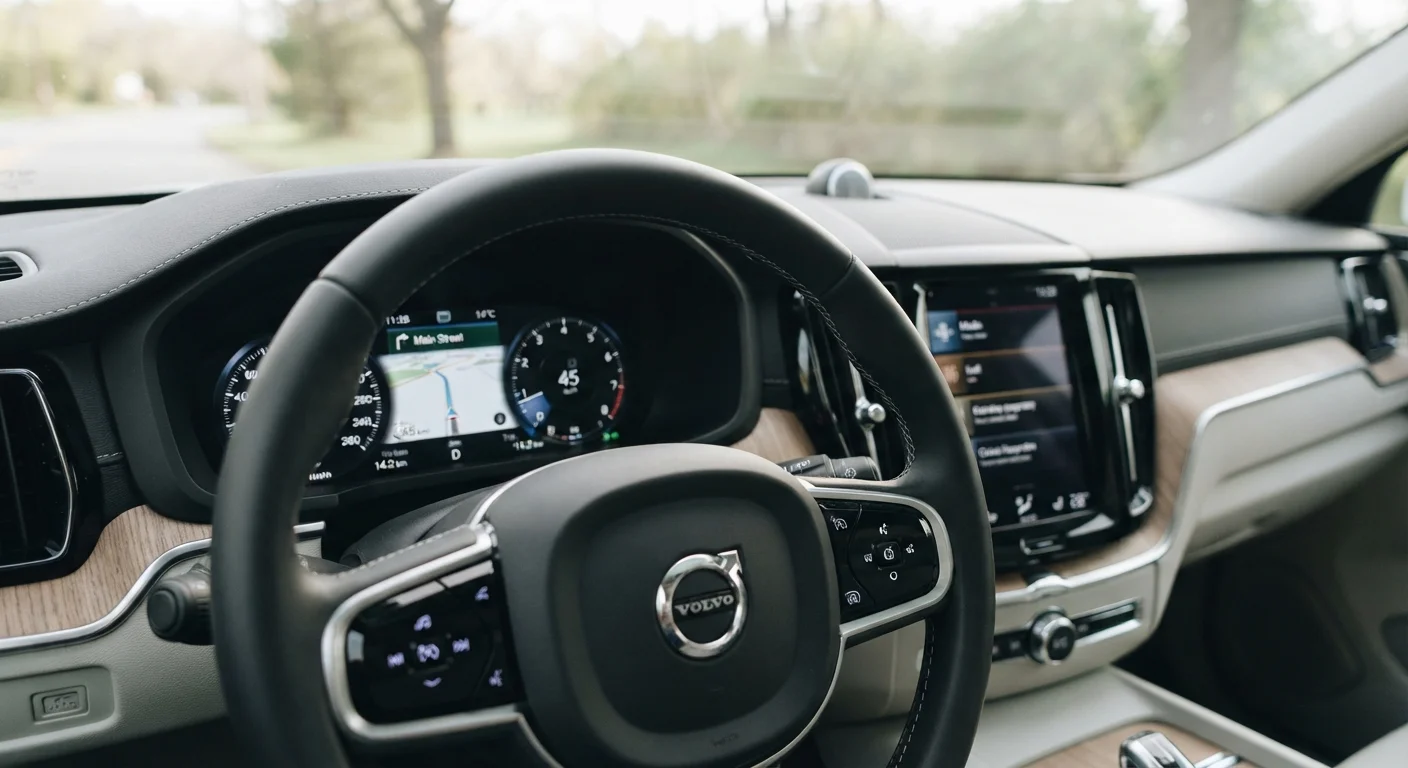
Photo credit: TheBlogZappier.com | Simple Search, Credible Results
In this article
Torque, camshaft, differential, VIN — a reference glossary of the terms you'll encounter when researching or maintaining a car.
Why Automotive Vocabulary Matters
Walking into a dealership, service bay, or even a conversation with a knowledgeable friend can feel disorienting when the terminology is unfamiliar. Words like torque, differential, and OBD-II come up constantly in car research and maintenance discussions - and if you don't know what they mean, it's easy to feel locked out of the conversation or unable to evaluate advice.
This reference guide defines the terms you're most likely to encounter as a new driver, whether you're reading a window sticker, scheduling your first oil change, or comparing vehicles. For a broader introduction to day-to-day vehicle upkeep, see our guide for new drivers on looking after a car. And if you're also trying to decode the paperwork that comes with ownership, common terms in car ownership documents covers the legal and financial language separately.
| VIN Length | 17 characters (NHTSA standard, adopted 1981) |
| OBD-II Required Since | 1996 (US market) (EPA / CARB mandate) |
| Torque Unit (US) | Pound-feet (lb-ft) |
| Engine Displacement Unit | Liters (e.g., 2.5L) |
| Common Drive Layouts | FWD, RWD, AWD, 4WD |
Engine and Drivetrain Terms
The engine and drivetrain are the mechanical core of any vehicle. Understanding their terminology helps you follow service recommendations, compare specifications, and ask better questions.
Torque
A rotational force measured in pound-feet (lb-ft) in the US. In a vehicle context, higher torque generally means more pulling and acceleration power at lower engine speeds - especially relevant when towing or merging on a highway.
Horsepower (hp)
A unit measuring an engine's rate of doing work over time. While torque describes force, horsepower describes how quickly that force is sustained, which is why it's often associated with top-end speed.
Differential
A gear system that allows the two wheels on an axle to rotate at different speeds. This is essential when cornering, since the outer wheel must travel a slightly longer path than the inner wheel.
Camshaft
A shaft inside the engine that controls the timing and duration of valve opening. It directly affects how efficiently air and fuel enter and exit the combustion chambers.
Displacement
The total volume swept by all pistons inside an engine, measured in liters (e.g., 2.0L). Larger displacement engines generally produce more power but consume more fuel.
Transmission
The system that transfers engine power to the drive wheels, using a series of gears to match engine output to road speed. Common types include manual, automatic, and continuously variable transmission (CVT).
Drivetrain
The collection of components that deliver power from the engine to the wheels, including the transmission, driveshaft, differential, and axles. Often confused with 'powertrain,' which also includes the engine itself.
VIN
Vehicle Identification Number - a unique 17-character alphanumeric code assigned to every motor vehicle. It's used for registration, insurance, recall checks, and vehicle history reports.
OBD-II
On-Board Diagnostics II - a standardized diagnostic system required on US vehicles since 1996. It monitors emissions and engine performance, and reports fault codes accessible via a port under the dashboard.
MSRP
Manufacturer's Suggested Retail Price - the price a manufacturer recommends a vehicle be sold for. Actual transaction prices may be above or below this figure depending on market conditions and negotiation.
Curb Weight
The weight of a vehicle with standard equipment and fluids but without passengers or cargo. Relevant when calculating payload capacity and when comparing fuel efficiency figures.
Break-in Period
The initial operating period of a new engine - typically the first 500 to 1,000 miles - during which drivers are often advised to avoid extreme speeds or loads to allow components to seat properly. Consult your owner's manual for manufacturer-specific guidance.
Transmission type - whether manual or automatic - determines how engine power is converted into movement. Our article on how manual and automatic transmissions work goes deeper on the mechanical differences. Similarly, drivetrain layout - FWD, RWD, or AWD - shapes how a vehicle handles in everyday and adverse conditions; see our explanation of drive configurations for a practical breakdown.
For a plain-language tour of what's happening inside your engine itself, what's actually happening under your hood walks through combustion cycles and cooling systems without assuming a mechanical background.
Electrical, Safety, and Identification Terms
Modern vehicles are as much software platforms as mechanical machines. Knowing a handful of electrical and identification terms will help you communicate with technicians and understand warning lights when they appear.
17
Characters in every VIN
Standardized by NHTSA in 1981, the 17-character VIN format is used across all vehicles sold in the US.
1996
Year OBD-II became mandatory in the US
The EPA required OBD-II compliance on all passenger cars and light trucks sold in the United States from model year 1996 onward.
~50+
Electronic control units in a typical modern car
Industry analyses indicate that a contemporary vehicle may contain dozens of individual electronic control modules managing everything from the engine to the seats.
The VIN (Vehicle Identification Number) is a 17-character code unique to every vehicle. It encodes the manufacturer, model year, production plant, and a sequential serial number. You'll find it on the driver's side dashboard visible through the windshield, on the door jamb sticker, and on title documents. The VIN is used for recalls, title transfers, insurance, and history reports.
The OBD-II port (On-Board Diagnostics, second generation) is a standardized diagnostic socket found in virtually all US vehicles built after 1996. When a warning light appears, a technician - or a handheld reader - plugs into this port to retrieve fault codes. The MIL (Malfunction Indicator Lamp), more commonly called the check engine light, is triggered when the car's computer logs one of these codes. It does not always signal an emergency, but it should not be ignored indefinitely.
Understanding your car's broader electrical architecture - battery, alternator, fuses, and sensors - is covered in our article understanding your car's electrical system.
For a comprehensive starting point that ties together ownership, registration, and maintenance terminology, visit our guide for first-time car owners or the broader auto ownership lifecycle guide.
Your Owner's Manual Is the Primary Source
General definitions give you a working vocabulary, but every vehicle has model-specific details. Always cross-reference maintenance intervals, fluid specifications, and warning light meanings with your vehicle's owner's manual. If you've purchased a used vehicle without one, many manufacturers make digital versions available through their official websites.

Author
Autos & Driving Editorial Team
Autos & Driving Editorial Team is the collective byline for our editorial team and contributor network. Articles published under this byline or an editorial pen name are researched, written, and reviewed according to our editorial standards for clarity, consistency, and independence before publication.
View all articles →