
Building a Personal Style from Scratch: A Practical Starting Point
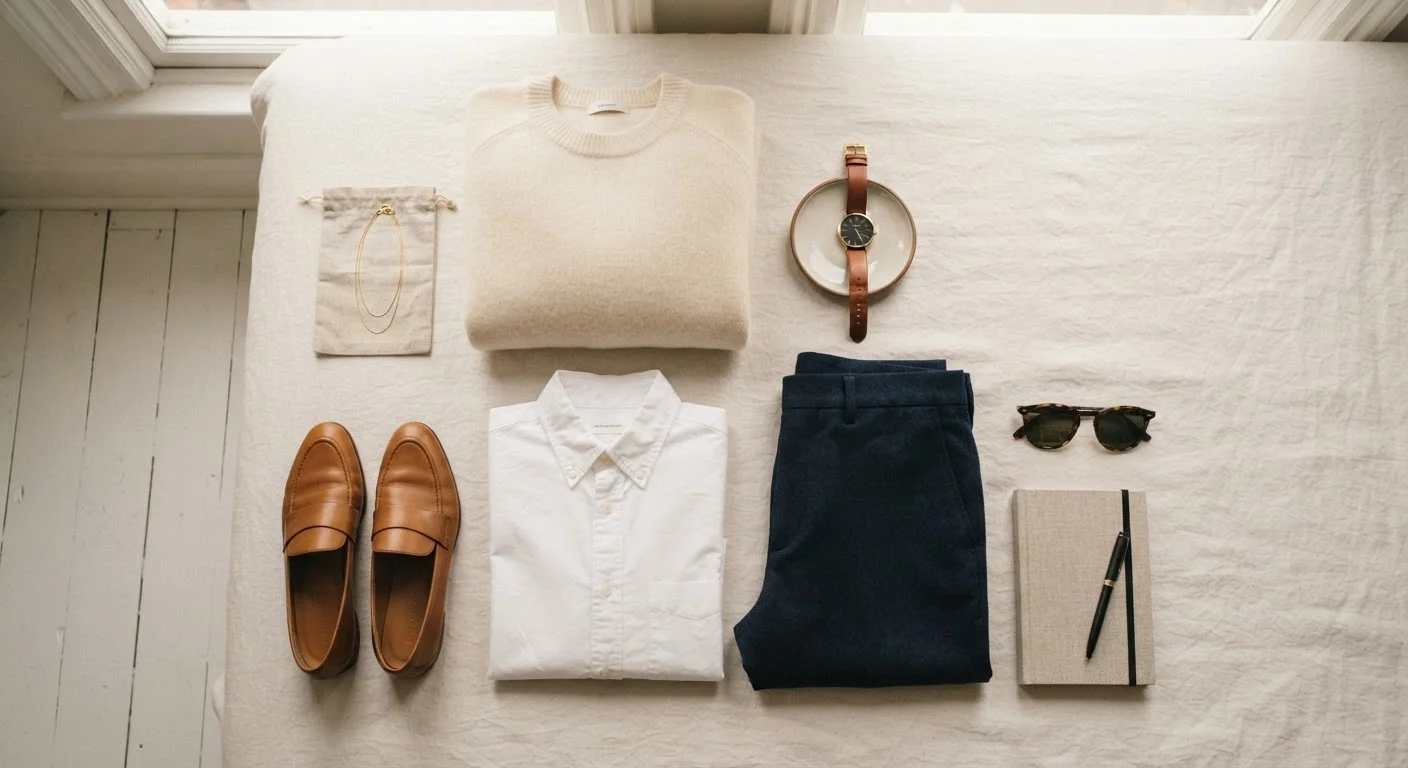
Photo credit: TheBlogZappier.com | Simple Search, Credible Results
In this article
Personal style isn't innate — it's developed. This guide walks through how to identify your preferences, edit your wardrobe, and dress with intention.
Key Takeaways
- Personal style is a learned skill, not a fixed trait you either have or don't.
- Auditing your current wardrobe reveals your real preferences more accurately than mood boards.
- A small number of versatile foundational pieces outperforms a large, inconsistent wardrobe.
- Intentional shopping — guided by gaps, not impulse — reduces waste and spending over time.
- Understanding colour relationships helps you build outfits with less guesswork.
What Personal Style Actually Means
Personal style is often described as something innate — a quality some people simply have. In practice, it's a skill developed through observation, experimentation, and editing. It's the consistent thread that makes your clothing choices feel cohesive rather than random, and it's built gradually, not discovered all at once.
Style is also not the same as fashion. Fashion refers to what's current in the broader market at a given moment. Personal style is how you relate to clothing on your own terms — which silhouettes feel right, which fabrics you gravitate toward, how much visual noise you're comfortable with. Understanding that distinction removes a great deal of pressure. You don't need to keep up with every trend to dress well. For context on how aesthetic movements shift over time, seasonal style cycles through the decades provides useful historical perspective.
“Getting dressed is a daily act of self-definition. The clothes we choose communicate who we are — or who we want to be — before we say a word.”
— Valerie Steele, Fashion historian and director of The Museum at the Fashion Institute of Technology
Auditing What You Already Own
The most reliable starting point for building personal style is an honest look at what's already in your wardrobe. Pull everything out — not just what's visible, but what's been pushed to the back. Lay it out by category: tops, bottoms, outerwear, shoes, accessories.
Ask three questions about each piece: Do I actually wear this? Does it fit well right now? Does it work with at least three other things I own? Items that fail all three questions are candidates for removal, regardless of cost or sentiment.
Start With What You Already Reach For
Rather than beginning with a blank-slate shopping list, track which items you wear repeatedly over two to three weeks. Those pieces — regardless of price or how long you've owned them — are the clearest signal of your actual style preferences. Let them guide what you add next.
80%
Clothes worn only 20% of the time
Research into consumer wardrobe behaviour consistently finds that most people regularly wear a small fraction of what they own, often cited as the 80/20 principle in styling contexts.
~33
Items in a functional capsule wardrobe
Wardrobe minimalism frameworks, such as Project 333, suggest that around 33 items per season can cover the majority of a person's daily dressing needs.
What remains after an honest edit is your true wardrobe baseline — and it tends to reveal your real preferences more accurately than any inspiration board. You'll likely notice recurring colours, fabric weights, and silhouettes. Those patterns are the foundation of your style, even if you've never named them. For a structured approach to this process each season, the wardrobe capsule planning checklist is a practical companion resource.
Identifying Your Preferences
Once you have a clear picture of what you own, the next step is articulating what you actually like — not what you think you should like. This is harder than it sounds. A useful exercise is to gather images of outfits that appeal to you across different sources: editorial photography, street style archives, or simply screenshots of looks that caught your attention. Don't filter for what's practical or affordable. Just collect what you're drawn to.
After gathering 20 to 30 images, look for patterns: Are the looks minimal or layered? Are the colours muted or saturated? Are the silhouettes relaxed or structured? These recurring elements point toward your aesthetic preferences. Understanding how colour relationships work in practice can sharpen this process — colour theory in everyday dressing offers a grounded introduction to complementary and tonal combinations.
Before buying anything new, take a photo of every item you own and review them as a collection — patterns in colour, silhouette, and fabric become obvious at a glance.
Seeing your wardrobe as a visual grid removes the emotional attachment that makes editing difficult and surfaces what's actually cohesive versus what was purchased on impulse.
Note what you feel most like yourself in, not just what receives compliments — external validation and personal resonance don't always point in the same direction.
Style that feels authentic tends to be more consistent and easier to maintain, whereas dressing purely for others' approval often leads to an incoherent wardrobe over time.
You may also find your preferences align loosely with broader aesthetic frameworks. Quiet luxury and maximalism represent two ends of a spectrum that can help you locate your instincts — even if your actual style lands somewhere in between.
Building a Foundation That Works
With a clearer sense of your preferences, the next task is identifying gaps — pieces your current wardrobe is missing that would make what you already own more functional. This is different from building a wishlist based on what you admire; it's about what would actually get used.
Most durable wardrobe frameworks centre on a core of versatile foundational pieces: items that work across multiple contexts, layer well, and don't depend on a single trend for their relevance. Wardrobe foundations that style frameworks agree on covers these in detail, but the underlying principle is consistent — fewer pieces that work together beat more pieces that don't.
There Is No Single 'Correct' Personal Style
Style frameworks, capsule wardrobe formulas, and aesthetic labels are tools — not rules. They are useful for generating ideas and creating structure, but they work best when adapted to your life, body, climate, and preferences. What functions well for one person's wardrobe may be entirely impractical for another's.
How you structure your wardrobe also depends on your lifestyle. Someone who works from home has different needs than someone who commutes to an office five days a week. Seasonal versus year-round wardrobe strategies outlines the trade-offs of each approach, which is worth considering before making significant additions.
Style and Budget Are Connected
Building a wardrobe intentionally is also a financial decision. Fewer, more considered purchases typically cost less over time than frequent impulse buys that don't integrate well. For broader context on managing spending, the Budgeting Basics hub covers foundational strategies worth knowing alongside any wardrobe-building effort.
Dressing With Intention Going Forward
The goal of building personal style isn't to reach a fixed endpoint — it's to develop a framework for making consistent, considered choices over time. That means shopping from a list of identified gaps rather than browsing open-endedly. It means pausing before a purchase to ask whether the item integrates with what you already own. And it means accepting that your style will continue to evolve, which is entirely appropriate.
Trend-Chasing Can Undermine Consistency
Integrating a few current elements into a grounded wardrobe is reasonable, but building primarily around trends often produces a closet full of pieces that don't work together. Each season's arrivals are designed to feel compelling in isolation, not to complement what you already own. For a deeper look at this dynamic, see where trend-following goes wrong.
Revisit your wardrobe periodically — a light audit each season takes less time than a major overhaul every few years and keeps the edit manageable. Track what you're reaching for, what's sitting untouched, and whether new additions are earning their place. Over time, this habit builds a wardrobe that feels genuinely like yours: not assembled from trend cycles, but developed from a clear, ongoing understanding of what works for your life.

Author
Style & Beauty Editorial Team
Style & Beauty Editorial Team is the collective byline for our editorial team and contributor network. Articles published under this byline or an editorial pen name are researched, written, and reviewed according to our editorial standards for clarity, consistency, and independence before publication.
View all articles →