
Wardrobe Foundations: The Pieces Most Style Frameworks Agree On
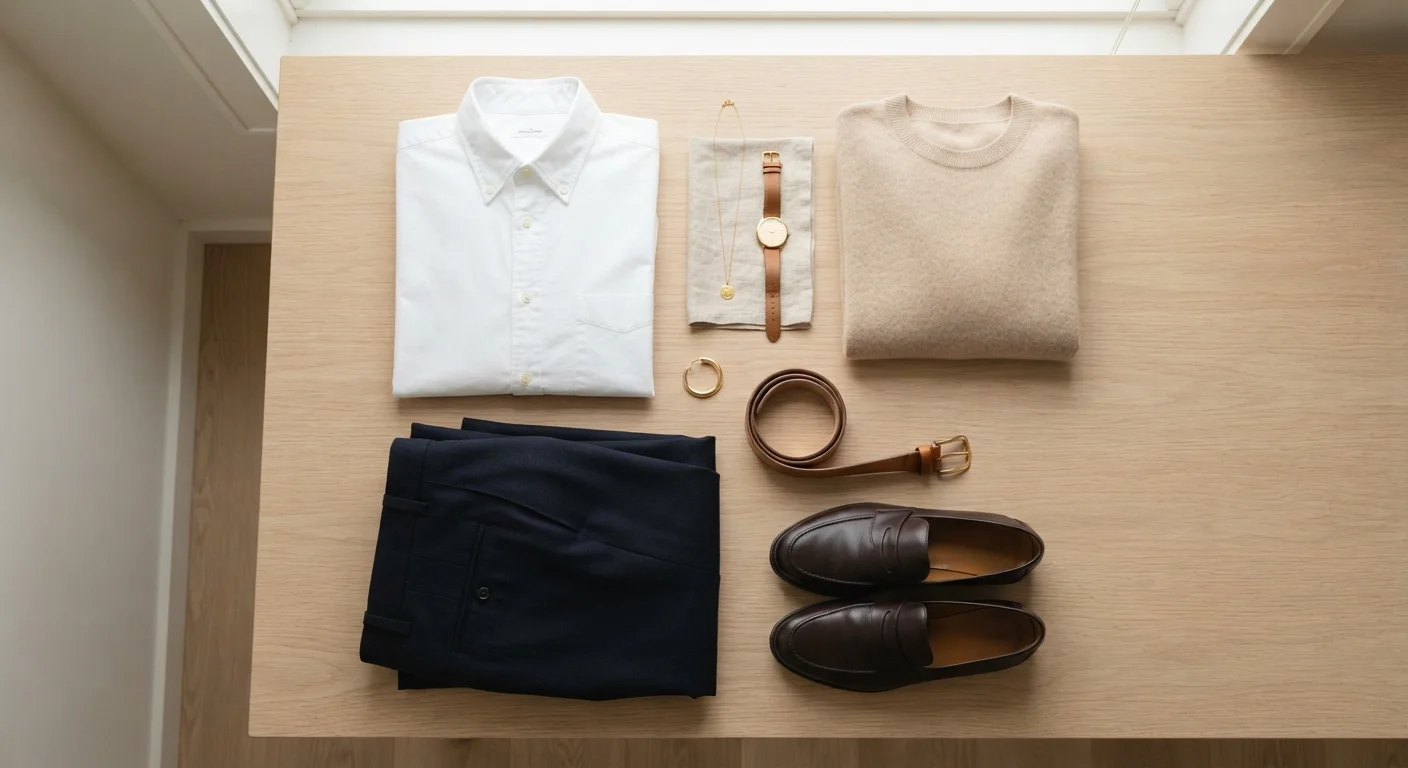
Photo credit: TheBlogZappier.com | Simple Search, Credible Results
Explore the versatile clothing items that appear across most wardrobe-building frameworks and why they earn their keep in any collection.
Key Takeaways
- Most style frameworks converge on a core set of versatile, neutral pieces regardless of aesthetic or budget.
- Foundation items earn their place by working across multiple outfit contexts, not just one occasion.
- Fabric quality and fit matter more than quantity when building a functional wardrobe base.
- Understanding colour compatibility helps foundation pieces combine more effectively with each other.
- A strong wardrobe base reduces decision fatigue and makes getting dressed more efficient day to day.
Why Different Frameworks Land on Similar Answers
Capsule wardrobe guides, personal styling methodologies, minimalist fashion philosophies, and wardrobe-audit checklists rarely agree on everything — but they tend to converge on a surprisingly consistent set of core pieces. That overlap isn't coincidence. It reflects a shared logic: certain items earn their keep by solving the most common getting-dressed problems across the widest range of circumstances.
Whether you're building from scratch or auditing what you already own, recognising these foundational pieces gives you a practical framework of your own. For a deeper look at the capsule concept itself, see what capsule wardrobes are and how they work in practice.
The items below appear with notable frequency across wardrobe-building systems. Each one is assessed not as a trend pick, but as a structural piece — something that functions as connective tissue between the rest of your clothes.
A well-fitted white or off-white shirt
The plain light-coloured shirt appears in virtually every wardrobe framework for a simple reason: it functions as a neutral backdrop that allows other pieces to read clearly. Worn tucked, untucked, layered under knitwear, or over a simple tee, it adapts to both formal and casual contexts without requiring the outfit to be rebuilt around it.
Fit is the variable that most determines whether this piece works. A shirt that fits well through the shoulders and chest but has some ease in the body will serve a wider range of styling approaches than one cut extremely close or extremely loose.
Fit through the shoulders determines whether a shirt becomes a foundation or a frustration.
Dark, straight-leg or tailored trousers
Dark trousers in a straight or slightly tapered cut are consistently cited as high-utility bottoms because they transition between registers — casual enough for daywear, structured enough for professional or semi-formal settings. Navy, charcoal, and dark olive all perform this function; the key is avoiding a cut so trend-specific that the piece ages quickly.
Most frameworks suggest choosing a fabric with enough weight to hold its shape across a full day of wear, such as a wool blend, heavier cotton twill, or ponte knit depending on climate and lifestyle.
Dark trousers in a non-trend-specific cut are among the most cross-context pieces in any wardrobe.
A mid-layer knit or sweater in a neutral tone
Knitwear occupies a practical middle ground between base layers and outerwear — it adds warmth without the formality or bulk of a jacket, and it softens structured outfits when layered over a shirt or blouse. Frameworks typically recommend a crew neck or V-neck silhouette in a muted, flexible colour: camel, grey, ivory, or navy.
Fibre choice affects both wearability and longevity. Natural fibres like merino wool or cotton blends tend to regulate temperature more effectively than purely synthetic options, though they may require more careful laundering.
A neutral knit bridges base layers and outerwear while softening more structured outfit combinations.
A structured outer layer
Whether it takes the form of a tailored blazer, a simple cotton chore coat, or a longer overcoat depends on climate and personal preference — but a structured outer layer of some kind appears across nearly all frameworks. It performs the visual function of completing an outfit and provides a degree of polish that's difficult to achieve with casual layering alone.
The most consistently recommended version is a single-colour, minimal-detail piece in a neutral shade, which integrates with the widest possible range of base combinations. For guidance on how outer layers function across season changes, a season-by-season wardrobe preparation checklist is a useful reference.
A structured outer layer completes an outfit in a way that casual layering rarely achieves on its own.
A versatile flat shoe or low-profile sneaker
Footwear anchors an outfit's overall tone, and flat or low-profile shoes in a neutral colourway are positioned in most frameworks as the high-utility default. Clean white sneakers, simple leather flats, loafers, or minimalist ankle boots all serve this function — they don't pull visual focus away from the outfit and they cover a broad range of casual-to-smart contexts.
The more visually restrained the shoe, the more outfit combinations it supports. This is why heavily branded, brightly coloured, or highly decorated footwear tends to be treated as an accent piece rather than a foundation one.
A visually restrained shoe supports more outfit combinations precisely because it doesn't compete for attention.
A simple, dark-wash or mid-wash jean
Denim appears in wardrobe frameworks across nearly every style direction — minimalist, classic, casual, and smart-casual — because of its material durability and social versatility. A dark or mid-wash jean in a straight or slim-straight cut reads cleaner than heavily distressed or very light-wash alternatives, which carry stronger trend associations and therefore date more visibly.
Like trousers, the silhouette matters more than a specific style label. A cut that fits the hip and thigh without excess volume, then tapers slightly through the leg, tends to offer the most outfit flexibility.
Denim's staying power in wardrobe frameworks comes from its durability and cross-context versatility.
Making the Most of What You Build
Foundation pieces only deliver on their promise when they genuinely work together. That's where colour awareness becomes practical rather than theoretical — understanding how neutral tones interact, and which accent colours sit comfortably across your base, reduces outfit-building friction significantly. A plain-language introduction to colour theory in getting dressed can help you approach this with more intention.
Audit before you add
Before filling gaps in your wardrobe foundation, it's worth checking what you already own against this framework. Many people find they have most of these pieces but in versions that don't quite work — wrong fit, worn condition, or a colour that doesn't integrate with the rest of their wardrobe. Addressing fit and condition first often delivers more practical improvement than adding new items.
Another factor often underestimated is seasonal adaptability. The strongest foundation pieces aren't just warm-weather or cold-weather items — they layer, transition, and shift with small styling adjustments. If you want to extend that logic further, transitional dressing guidance covers the layering logic in detail.
Ultimately, wardrobe foundations aren't about owning the right list of objects. They're about understanding why certain pieces keep reappearing across frameworks — and using that understanding to make more confident, considered choices about your own collection. From there, building a personal style from scratch becomes a more grounded process.

Author
Style & Beauty Editorial Team
Style & Beauty Editorial Team is the collective byline for our editorial team and contributor network. Articles published under this byline or an editorial pen name are researched, written, and reviewed according to our editorial standards for clarity, consistency, and independence before publication.
View all articles →