
The Capsule Wardrobe: What It Is and Whether It Works for Real Life
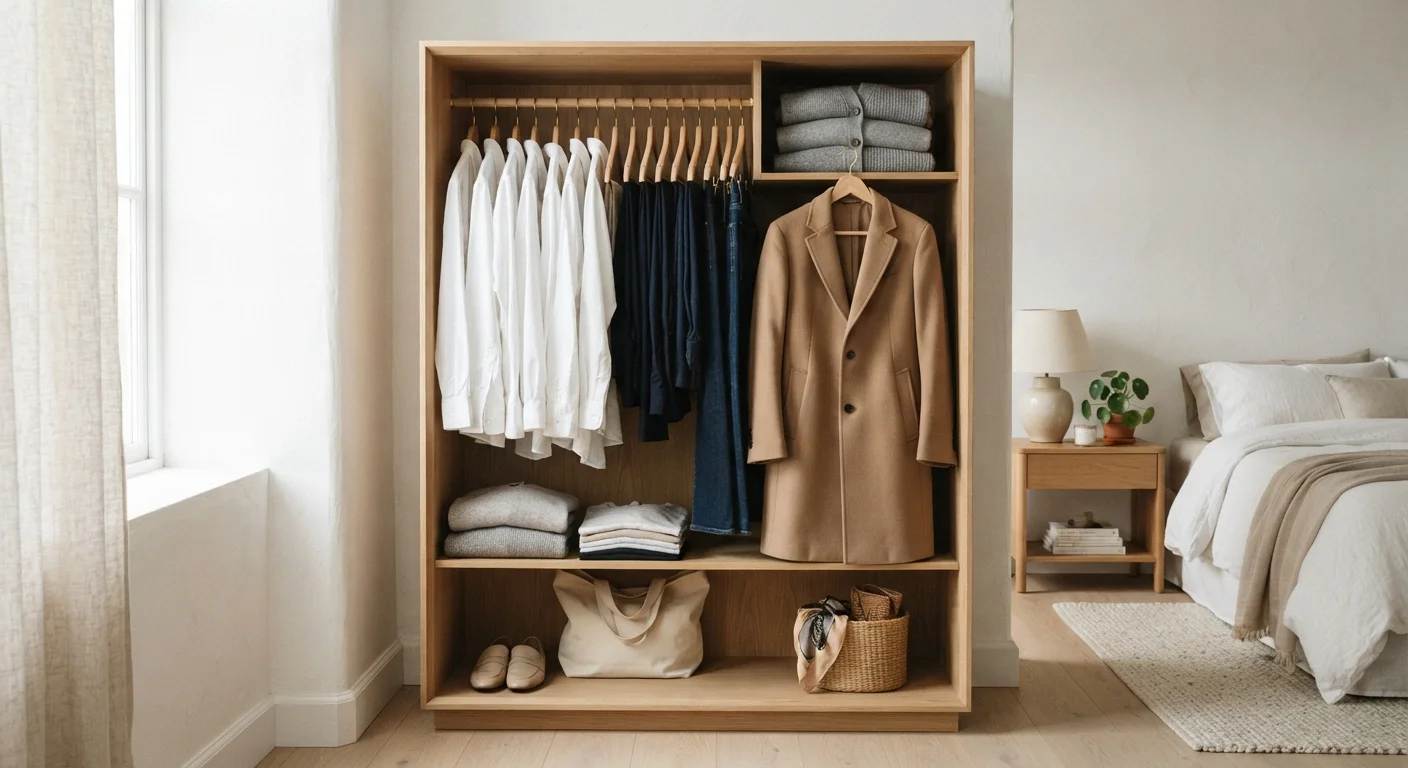
Photo credit: TheBlogZappier.com | Simple Search, Credible Results
In this article
Capsule wardrobes promise simplicity, but do they hold up in practice? Here's an honest look at the concept and how people actually use it.
Key Takeaways
- A capsule wardrobe is defined by intentional curation, not a specific item count.
- The concept works best when tailored to your actual lifestyle, not an idealized one.
- Versatility and cohesion between pieces matter more than strict minimalism.
- A wardrobe audit is a practical first step before building any capsule.
- The approach can reduce decision fatigue and impulse spending over time.
The Core Idea Behind a Capsule Wardrobe
At its simplest, a capsule wardrobe is a deliberate editing process applied to your clothing. Instead of accumulating items over time — responding to sales, seasons, or impulse — you define a smaller set of pieces that genuinely serve your life. Every item earns its place by working with everything else.
The philosophy contrasts sharply with trend-driven dressing, where newness is the point. It also differs from pure minimalism: the goal isn't to own the fewest things possible, but to own the right things for your specific context. A wardrobe of 40 well-chosen pieces will consistently outperform a closet of 200 items you rarely reach for.
For a broader look at how this sits alongside other style philosophies, see how quiet luxury and maximalism approach dressing differently.
“A capsule wardrobe should contain enough pieces to be varied, but not so many that it becomes a burden to manage. The number matters far less than the coherence.”
— Susie Faux, London boutique owner credited with coining the term 'capsule wardrobe' in the 1970s
Does It Actually Work in Practice?
The honest answer is: it depends on the person and how honestly they assess their own lifestyle. The capsule concept has real practical strengths — it reduces decision fatigue, clarifies spending, and often surfaces how many unworn items most people already own. Those benefits are well-documented in how people describe the experience of downsizing their wardrobes.
Where it tends to falter is when people build a capsule around an aspirational version of their life rather than their actual one. A beautifully curated collection of tailored separates won't function well for someone whose days involve outdoor work, active kids, or frequent climate changes. Honesty about your real routine is the foundation of any effective capsule.
~20%
Clothes most people wear regularly
A commonly cited wardrobe analysis principle suggests most people wear only about 20% of what they own on a regular basis, though individual results vary widely.
33
Items in a popular capsule framework
The '33-item' capsule popularized by minimalism advocates in the 2010s brought the concept to mainstream attention and is one of the most-referenced specific frameworks.
It's also worth noting that the approach doesn't have to be all-or-nothing. Many people find value in applying capsule thinking to specific categories — work clothes, for example — while allowing more flexibility elsewhere. For more structured guidance on this, a season-by-season planning checklist can help organize the process.
Building One: Where to Start
The most practical starting point is an audit of what you already own — not a shopping list. Pulling everything out, assessing what fits, what you actually wear, and what's simply taking up space gives you a clearer picture of your genuine wardrobe needs. Our wardrobe audit checklist walks through this process in detail.
From there, identifying your lifestyle's real demands shapes the pieces you prioritize. Most frameworks agree on a set of highly versatile foundational garments — pieces that appear across nearly every wardrobe-building approach because they solve multiple outfit problems at once. Wardrobe foundations most style frameworks agree on covers these in depth.
Start With What You Already Own
Before purchasing anything new, spend time with your existing wardrobe. Identify which pieces you reach for repeatedly and why — usually it's fit, comfort, or versatility. Use those pieces as anchors and evaluate everything else against them. This approach prevents buying duplicates and clarifies genuine gaps.
One practical consideration is whether your wardrobe needs to shift seasonally or stay relatively consistent year-round. These are genuinely different strategies with different trade-offs — seasonal dressing versus year-round wardrobes compares both approaches honestly.
If budget is a factor — and for most people it is — approaching wardrobe building as a long-term investment rather than a one-time overhaul makes it more financially realistic. Basic budgeting principles can help frame clothing spending within a broader financial picture.
Frequently Asked Questions

Author
Style & Beauty Editorial Team
Style & Beauty Editorial Team is the collective byline for our editorial team and contributor network. Articles published under this byline or an editorial pen name are researched, written, and reviewed according to our editorial standards for clarity, consistency, and independence before publication.
View all articles →