
Seasonal Dressing vs. Year-Round Wardrobes: Two Approaches Compared
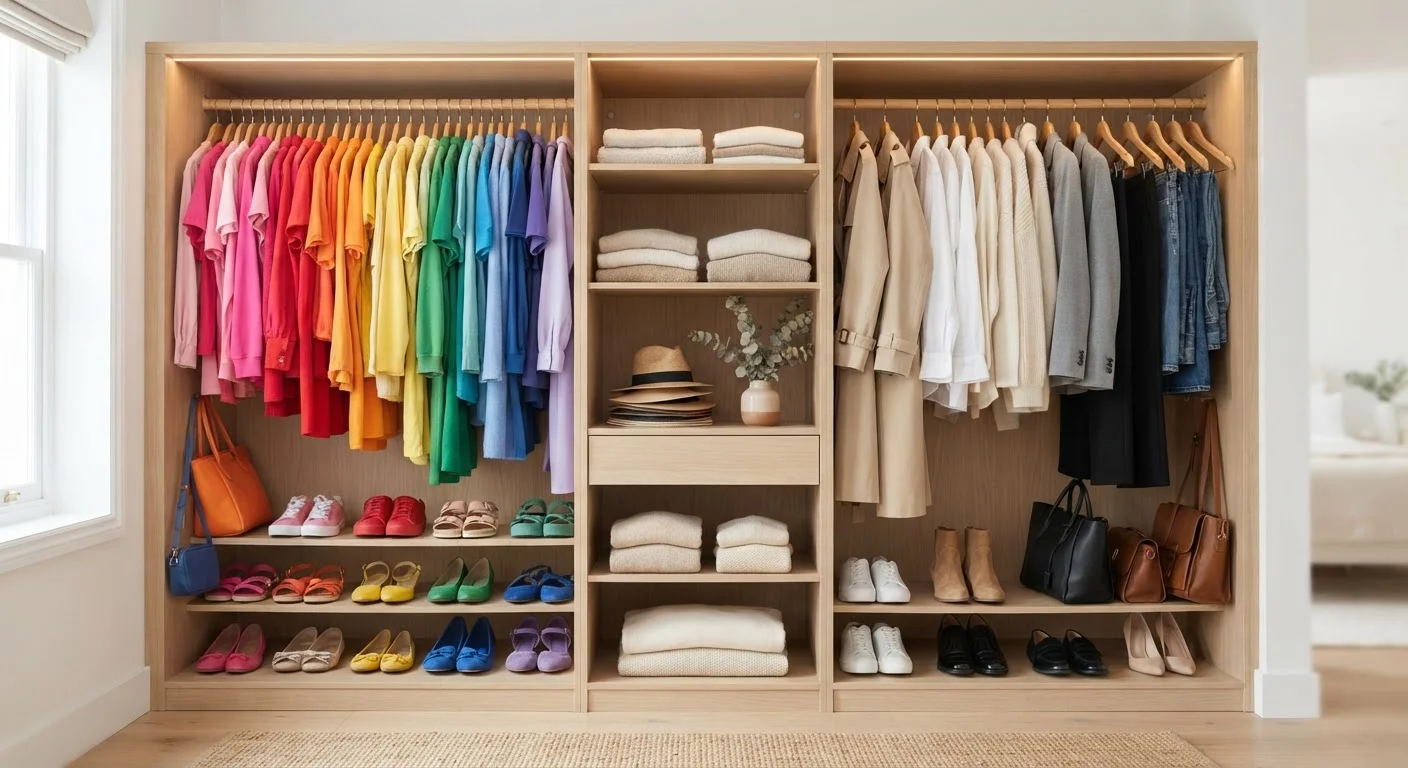
Photo credit: TheBlogZappier.com | Simple Search, Credible Results
In this article
Some people swap wardrobes each season; others aim for versatile pieces that span the year. Both approaches have real trade-offs worth knowing.
Key Takeaways
- Seasonal dressing gives you weather-appropriate pieces but requires storage space and more frequent spending.
- Year-round wardrobes prioritize versatile, layerable pieces that work across multiple climates and occasions.
- Your lifestyle, climate, and budget shape which approach is more practical for your situation.
- Most people end up using a hybrid of both strategies rather than committing fully to one.
- Fabric choice and layering ability are the biggest technical factors in making either approach work.
What Each Approach Actually Means
The phrase seasonal dressing refers to the practice of organizing and refreshing your wardrobe in alignment with calendar seasons — storing away summer linens when fall arrives, rotating wool and fleece in, and reversing the process six months later. It's a deliberate cycle tied to both temperature and, for many people, trend cycles.
A year-round wardrobe, by contrast, is built around pieces that perform across multiple seasons with minimal swapping. Think medium-weight fabrics, layerable silhouettes, and a neutral or versatile color palette. The goal is a smaller, more cohesive set of clothes that handles most occasions and climates without requiring seasonal overhaul.
Neither approach is new, and neither exists in a vacuum — most real wardrobes sit somewhere between the two extremes. But understanding what each one demands helps you make deliberate choices rather than accumulating clothing by default. For a broader look at the foundational items that anchor any wardrobe, see wardrobe foundations most style frameworks agree on.
How They Compare Across Key Factors
The practical differences between these two approaches become clear when you examine them across the dimensions that matter most to everyday shoppers: storage, cost over time, versatility, and how well each handles the messy middle ground between seasons.
| Seasonal Dressing | Year-Round Wardrobe | |
|---|---|---|
| Storage requirements | High — off-season items need dedicated space | Low — everything stays accessible year-round |
| Upfront vs. ongoing cost | Recurring spend each season | Higher initial spend, lower ongoing turnover |
| Closet complexity | Simpler in-season, complex at transition points | Consistent and streamlined throughout the year |
| Climate adaptability | Excellent for extreme seasonal climates | Better suited to mild or variable climates |
| Trend engagement | Easy to incorporate seasonal trends | Requires deliberate effort to update aesthetics |
| Sustainability angle | Risk of over-purchasing per season | Encourages fewer, longer-lasting purchases |
| Effort to manage | Higher — regular rotation and audits required | Lower — less frequent wardrobe management |
One often-overlooked factor is fabric weight and layering potential. Year-round wardrobes lean heavily on mid-weight fabrics — lightweight wool, ponte, denim, and structured cotton — that can be layered up or down. Seasonal wardrobes are freer to use fabric extremes: heavy knits in winter, ultra-light linen in summer. If layering strategy interests you, the logic behind layering clothing effectively is worth reading alongside this comparison.
The Case for Seasonal Dressing
Rotating your wardrobe seasonally has genuine advantages. It keeps your closet from feeling overcrowded at any given time, since you're working with a focused selection of weather-appropriate pieces. It also creates natural checkpoints to audit what you actually wore — and what you didn't — before packing items away.
Seasonal dressing also aligns naturally with how many retailers and trend cycles operate. If staying connected to evolving color palettes or silhouettes matters to you, a seasonal approach accommodates that without forcing you to keep trend-sensitive pieces year-round. That said, it's worth being selective: investing in trend pieces carries real trade-offs that seasonal shoppers should weigh carefully.
Use Storage Transitions as Audit Moments
Each time you pack away an off-season wardrobe, treat it as a natural opportunity to evaluate what you actually wore. If a piece is going into storage unworn for the second year in a row, that's useful information. Donating or setting aside items at this stage keeps your seasonal rotation genuinely functional rather than a collection of aspirational pieces you rarely reach for.
The main drawbacks are practical: you need physical storage for off-season items, the swap-out process takes time, and you're more likely to make impulse purchases at the start of each season when your rotated wardrobe feels fresh and motivating.
The Case for a Year-Round Wardrobe
A year-round wardrobe prioritizes versatility over volume. When every piece in your closet can realistically be worn in at least two or three seasons, you're spending less time managing storage and more time actually getting dressed. This approach also tends to encourage more deliberate purchasing — because each item needs to earn its place across a wider range of conditions, impulse buys are easier to filter out.
For people who travel frequently, live in mild climates, or have limited closet space, a year-round approach is often the more functional choice by necessity. It also aligns well with the capsule wardrobe concept, which applies similar logic to a deliberately small, curated set of clothes.
The challenge: year-round pieces need to work harder, and that usually means paying closer attention to fabric quality and fit. Extremely cold or hot climates make a purely year-round wardrobe harder to sustain without either overheating or under-dressing.
~33%
Clothes worn regularly by average consumer
Research by wardrobe analytics firms has consistently suggested that most people wear only around a third of the clothes they own on a regular basis, regardless of wardrobe size.
4x
More outfits from layering versatile pieces
Style educators and wardrobe consultants commonly note that a small set of well-chosen, layerable basics can generate significantly more outfit combinations than a larger, season-specific collection.
Building a Hybrid That Actually Works
In practice, most well-functioning wardrobes blend both approaches. A useful framework: anchor your wardrobe with a set of year-round foundations — pieces in neutral colors that layer well and move across occasions — then allow a limited seasonal layer of additions for specific climate needs or personal interest in current styles.
The season-by-season wardrobe preparation checklist is a practical tool for this kind of hybrid approach, helping you audit what you already own before making new additions. Similarly, before each seasonal refresh, a structured wardrobe audit helps identify genuine gaps versus items that just feel new after months in storage.
When expanding your wardrobe in either direction, understanding the differences between natural fibres and synthetic fabrics makes it easier to choose pieces that genuinely perform across your target range of seasons and occasions.

Author
Style & Beauty Editorial Team
Style & Beauty Editorial Team is the collective byline for our editorial team and contributor network. Articles published under this byline or an editorial pen name are researched, written, and reviewed according to our editorial standards for clarity, consistency, and independence before publication.
View all articles →