
Layering Clothing: The Logic Behind Getting It Right
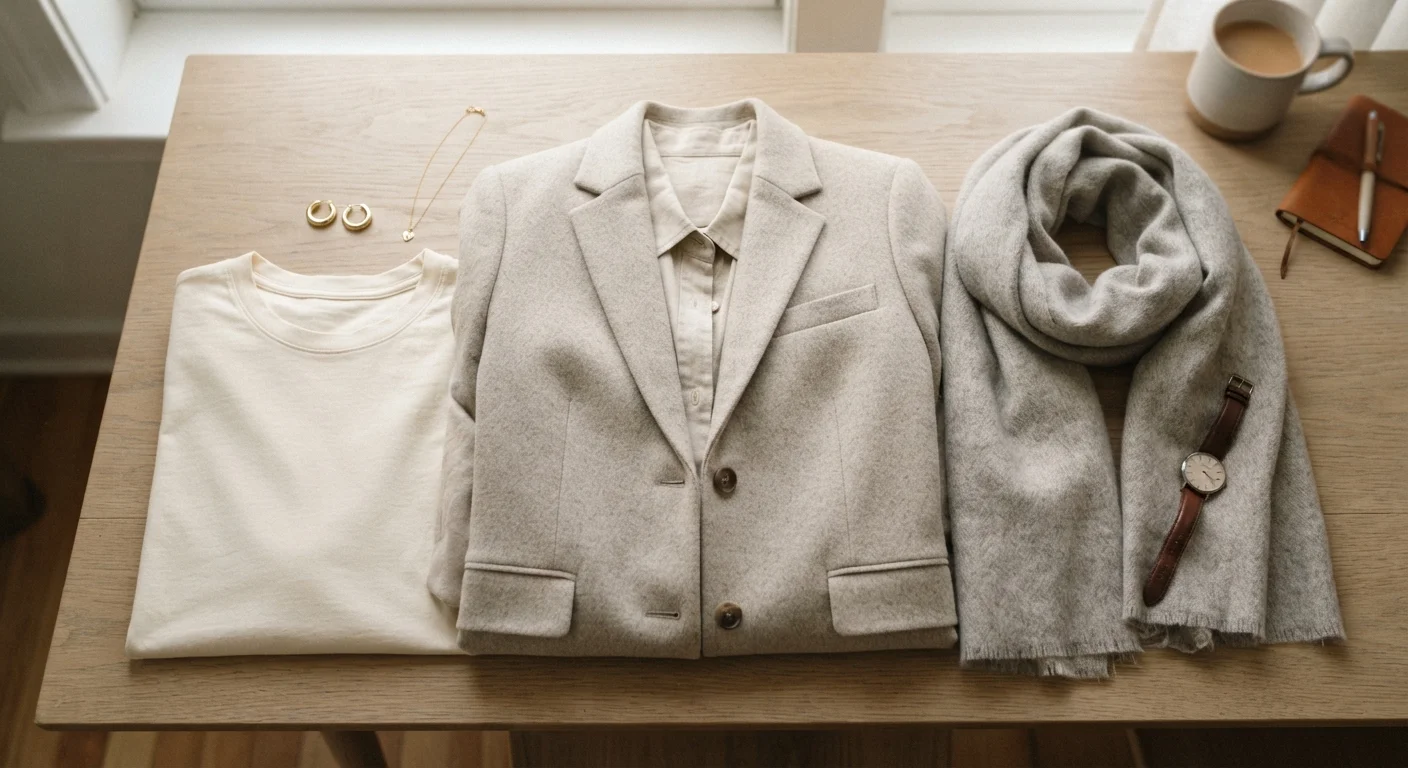
Photo credit: TheBlogZappier.com | Simple Search, Credible Results
In this article
Layering isn't just piling on clothes — proportions, fabric weight, and purpose all matter. Learn the principles that make layered outfits work.
Key Takeaways
- Layering works when each piece has a clear role: base, mid-layer, and outer layer.
- Fabric weight contrast — light under heavier — prevents bulk and preserves proportion.
- A tonal or neutral colour palette makes layering simpler and more cohesive.
- Proportion control means pairing fitted underlayers with roomier outer pieces.
- Versatile wardrobe foundations make layering across seasons far more achievable.
Why Layering Is a Skill, Not Just a Season
Layering is often treated as a cold-weather workaround — something you do when temperatures drop and stop doing when they rise. In practice, it's one of the most useful tools in everyday dressing, applicable year-round and capable of adding both visual interest and practical flexibility to an outfit.
The reason most layered outfits fail isn't a lack of pieces — it's a lack of logic. Piling on items without considering fabric weight, proportion, or purpose creates bulk rather than style. Understanding a few structural principles changes that entirely.
If you're building from scratch, it helps to start with reliable wardrobe foundations — the kind of versatile pieces that work across multiple combinations and sit comfortably in any layer position.
Layering Works Year-Round
Lightweight fabrics — linen, cotton gauze, fine jersey — make layering viable in warm weather too. A linen overshirt over a tank top is a layered outfit in warmer months; the logic is identical, only the fabric weights shift. See how seasonal style shifts inform these choices across the calendar.
What You'll Need Before You Start
Before approaching layering as a technique, it helps to audit what you're working with. Effective layering depends less on volume of clothing and more on having pieces that occupy different weight and structure categories.
What you will need
Fitted base layer
Sits closest to the body; should be slim enough not to add volume under subsequent layers.
Mid-weight mid-layer
Adds warmth and visual interest between the base and outer piece; open-front styles offer the most flexibility.
Structured outer layer
Defines the overall silhouette and provides the finishing frame for the outfit.
Lightweight scarf or wrap
Adds a fourth layer of texture and warmth without significant bulk.
How to Build a Layered Outfit Step by Step
The following steps walk through a reliable method for assembling a layered outfit that looks intentional rather than improvised. Each stage addresses a common point of failure.
Start With a Slim, Neutral Base Layer
Choose a well-fitted top in a neutral or tonal colour — white, grey, navy, or black are reliable starting points. The base layer should sit smoothly against the body without excess fabric bunching at the sides or torso. Avoid thick seams or embellishments that will show through mid-layers.
Add a Mid-Layer in a Contrasting Texture or Weight
Select a mid-layer that is noticeably different in fabric weight from your base — a knit cardigan over a cotton tee, or an open flannel shirt over a lightweight long-sleeve. Open-front mid-layers (unbuttoned shirts, open cardigans) offer the most flexibility because they can be worn open or closed depending on temperature and context.
Choose an Outer Layer That Frames the Silhouette
The outer layer — typically a jacket, coat, or oversized blazer — should be roomy enough to accommodate both inner layers without pulling at the shoulders or chest. Try the outer layer on with your intended underlayers before committing. If the shoulders fit well but the chest feels constricted, the base or mid-layer may be too voluminous.
Check Overall Proportion and Adjust
Step back and assess the silhouette. Each layer should be visible — either peeking at the hem, collar, or cuffs — without overwhelming the others. If one layer disappears entirely, it may not be adding value. If one layer dominates, consider whether it's too bulky or too long relative to the others. The goal is a clear visual hierarchy: base, mid, outer, each distinct.
Edit Down if the Outfit Feels Overdone
If the assembled outfit looks cluttered or feels physically uncomfortable, remove one layer rather than trying to adjust all three simultaneously. In most cases, simplifying the mid-layer — choosing something thinner or plainer — resolves both visual and physical bulk. The guide on body-type dressing myths is useful here if proportion concerns are making the editing process harder than it should be.
Proportions, Colour, and Fabric: The Details That Decide Everything
Once you understand the three-layer structure, the finer details separate a layered outfit that looks polished from one that looks overdone.
Proportion
The general principle is tighter underneath, looser on top. A slim-cut base layer under a relaxed mid-layer under a structured outer piece creates visual layering without adding perceived bulk. Reversing this — a voluminous piece beneath a fitted jacket — typically creates an awkward silhouette regardless of the individual pieces' quality.
Colour and Tonal Logic
Tonal dressing (varying shades of the same colour family) and neutral combinations are the most forgiving starting points. They allow you to focus on fit and proportion before adding complexity. For a deeper understanding of how colour relationships function in outfit-building, the plain-language guide to colour theory covers complementary and tonal combinations in accessible terms.
Fabric Weight and Texture
Contrast in texture — a smooth cotton base under a knitted mid-layer, for example — adds visual dimension without requiring pattern mixing. Avoid pairing two similarly weighted fabrics in adjacent layers; a thick fleece under a wool coat, for instance, creates volume that's hard to manage and disrupts the outer silhouette.
Avoid Layering Too Many Patterned Pieces
Mixing multiple bold patterns across layers — particularly at similar scales — typically creates visual noise rather than intentional contrast. If you want to include a patterned piece, keep the remaining layers solid or textural. Pattern mixing is a skill that builds on a solid understanding of proportion and colour first.
Layering principles translate across contexts — including, interestingly, skincare. The same logic of sequence and compatibility applies; see how incorrect skincare layering undermines results for a parallel look at why order affects outcomes.
For readers thinking about how these principles shift across the calendar, seasonal versus year-round wardrobing explores how different strategies approach versatility differently.

Author
Style & Beauty Editorial Team
Style & Beauty Editorial Team is the collective byline for our editorial team and contributor network. Articles published under this byline or an editorial pen name are researched, written, and reviewed according to our editorial standards for clarity, consistency, and independence before publication.
View all articles →