
Front-Wheel, Rear-Wheel, and All-Wheel Drive: What the Difference Feels Like
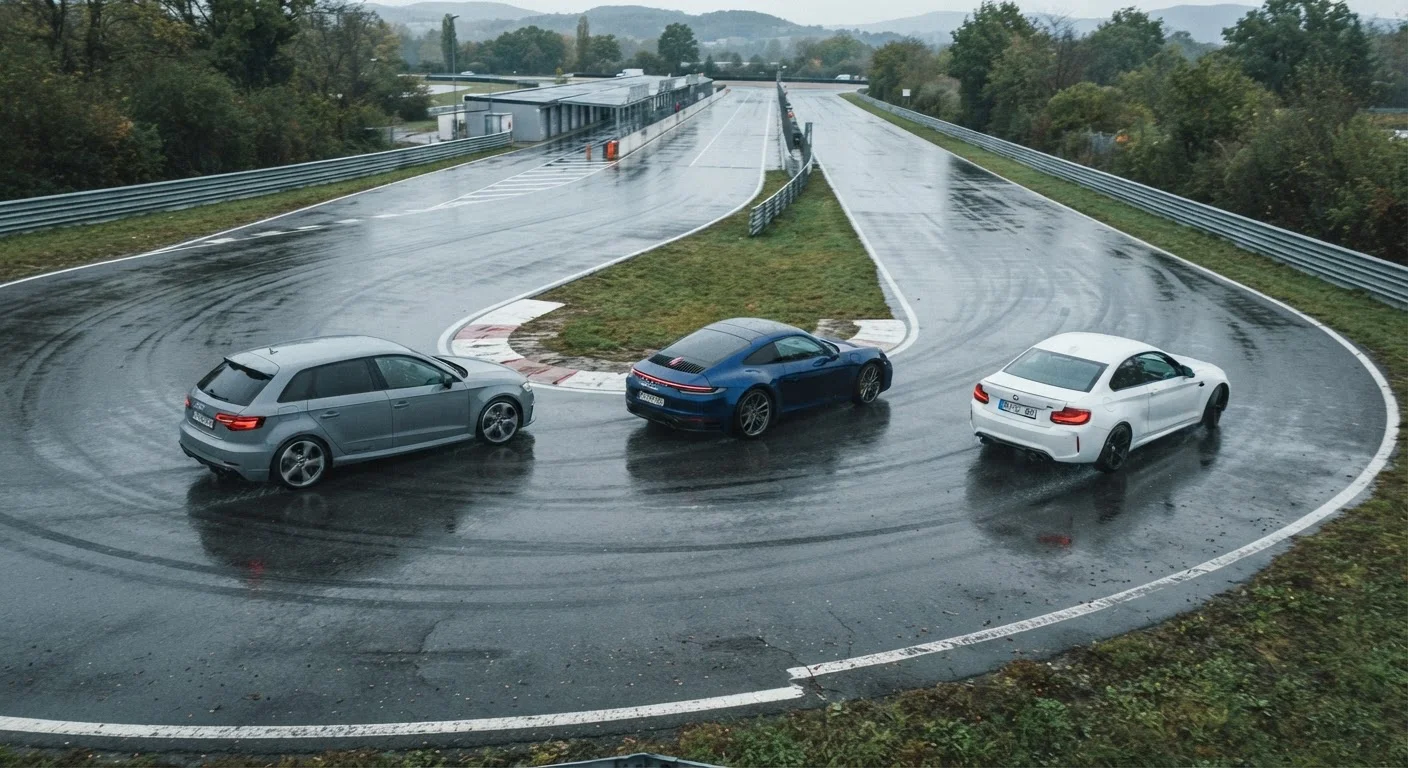
Photo credit: TheBlogZappier.com | Simple Search, Credible Results
In this article
Understand how FWD, RWD, and AWD each distribute power and how that affects handling, traction, and everyday driving.
Key Takeaways
- FWD is the most common layout in passenger cars, offering efficiency and predictable handling in most conditions.
- RWD provides a more balanced weight distribution and is preferred for performance and towing applications.
- AWD improves traction on slippery surfaces but adds weight, complexity, and fuel cost.
- No drivetrain eliminates the need for appropriate tires - winter tires on any layout outperform summer tires on AWD.
- Understanding drivetrain differences helps you match a vehicle to your actual driving environment and needs.
How Power Gets to the Ground
When you press the accelerator, the engine generates torque that has to travel through a series of mechanical components before it reaches the road. The path it takes - which wheels receive that power - defines your vehicle's drive configuration. This is one of the most fundamental aspects of how a car behaves, yet it rarely appears on a window sticker in plain language.
Understanding your drivetrain is part of broader automotive literacy that helps you evaluate vehicles more confidently. Paired with knowledge of transmission types, drivetrain awareness gives you a clearer picture of how a vehicle will actually feel to drive.
~65%
U.S. passenger cars with FWD
Industry analysts estimate that front-wheel drive accounts for roughly two-thirds of non-truck passenger vehicles sold in the United States.
3-5%
Typical AWD fuel economy penalty
The U.S. Department of Energy notes that AWD and 4WD systems can reduce fuel economy by approximately 1-2 mpg compared to equivalent 2WD configurations.
~30%
U.S. new vehicle sales with AWD or 4WD
Consumer demand for AWD and 4WD has grown steadily alongside the rise of SUVs and crossovers as the dominant vehicle segment in the U.S. market.
Front-Wheel Drive: Practical and Predictable
Front-wheel drive pulls the vehicle forward using the front axle. Because the engine, transmission, and driven wheels are all clustered at the front, FWD packaging is compact and efficient - one reason it dominates the mainstream passenger car segment.
In everyday driving, FWD feels stable and forgiving. Under hard acceleration, weight transfers to the rear, which can cause the front wheels to lose grip - a sensation called understeer, where the car tends to push wide in a corner rather than following the intended line. For most drivers in normal conditions, this characteristic is mild and manageable.
FWD vehicles are generally lighter and more fuel-efficient than their AWD counterparts, and they handle light snow and rain competently. They are well-suited to urban and suburban driving where traction demands are modest.
Winter Driving: Tires Trump Drivetrain
If you live in a region with genuine winter conditions, investing in a dedicated set of winter tires will improve safety more than upgrading from FWD to AWD. Winter tires use a softer rubber compound and specific tread patterns designed to grip in cold temperatures, snow, and ice - benefits that no drivetrain configuration can replicate.
Rear-Wheel Drive: Balanced and Driver-Focused
Rear-wheel drive pushes the vehicle from behind. With the driven wheels separated from the steering wheels, RWD allows for a more even front-to-rear weight distribution - a key factor in responsive handling. When you turn the steering wheel, the front wheels handle direction; when you press the accelerator, the rear wheels handle propulsion. This division of labor is what gives RWD its reputation for feel and precision.
The trade-off is wet- and cold-weather traction. Under hard acceleration on slippery surfaces, the rear wheels can break loose, causing oversteer - the rear of the car swings wider than intended. Modern RWD vehicles include electronic stability control systems that manage this, but drivers should still exercise care in icy or very wet conditions.
RWD remains the layout of choice for performance vehicles, sports cars, and trucks that need to tow - all situations where weight balance and power delivery matter more than packaging efficiency.
All-Wheel Drive: Traction Across All Four Corners
All-wheel drive sends power to all four wheels, either continuously or automatically when the system detects wheel slip. The practical effect is improved traction during acceleration on slippery surfaces - wet roads, light snow, loose gravel. AWD does not improve braking distance or cornering grip, which are governed primarily by the tires themselves.
The benefits come with trade-offs. AWD systems add mechanical weight and complexity, which modestly reduces fuel economy compared to FWD equivalents. They also add to purchase price and can involve higher long-term maintenance costs.
AWD is well matched to drivers in regions with regular snow or rain, those who frequently travel on unpaved roads, or anyone who wants a confidence margin in variable conditions. It is worth noting, however, that winter tires on a FWD vehicle will outperform summer or all-season tires on an AWD vehicle in genuine cold-weather driving - tire compound and tread pattern remain the primary traction variables. For a fuller look at how powertrain choices intersect, see our overview of fuel type options.
Choosing the Right Layout for Your Driving Life
The right drivetrain depends on where and how you drive. Consider the climate you live in, the roads you typically use, and how you prioritize efficiency versus capability. If you drive primarily in a mild-weather urban environment, FWD likely serves you well and costs less to run. If you value driving dynamics or tow a trailer, RWD is worth the consideration. If you regularly face snow or wet mountain roads, AWD provides a genuine benefit - provided you also invest in appropriate tires.
Drivetrain preference is one of several variables worth settling before you start comparing vehicles seriously. For a broader view of ownership decisions, the auto ownership lifecycle guide covers how to evaluate a vehicle across every phase - from purchase through to eventual sale.
“The drivetrain is the single biggest determinant of a vehicle's fundamental handling character. Everything else - suspension tuning, steering feel - is calibrated around that starting point.”
— Automotive Engineering Editorial Review Panel, Industry technical commentary on vehicle dynamics
This article is for general informational purposes only and does not constitute automotive or financial advice. Consult qualified professionals for guidance specific to your situation.
Frequently Asked Questions

Author
Autos & Driving Editorial Team
Autos & Driving Editorial Team is the collective byline for our editorial team and contributor network. Articles published under this byline or an editorial pen name are researched, written, and reviewed according to our editorial standards for clarity, consistency, and independence before publication.
View all articles →