
Investing in Trend Pieces: Upside, Downside, and When It Makes Sense
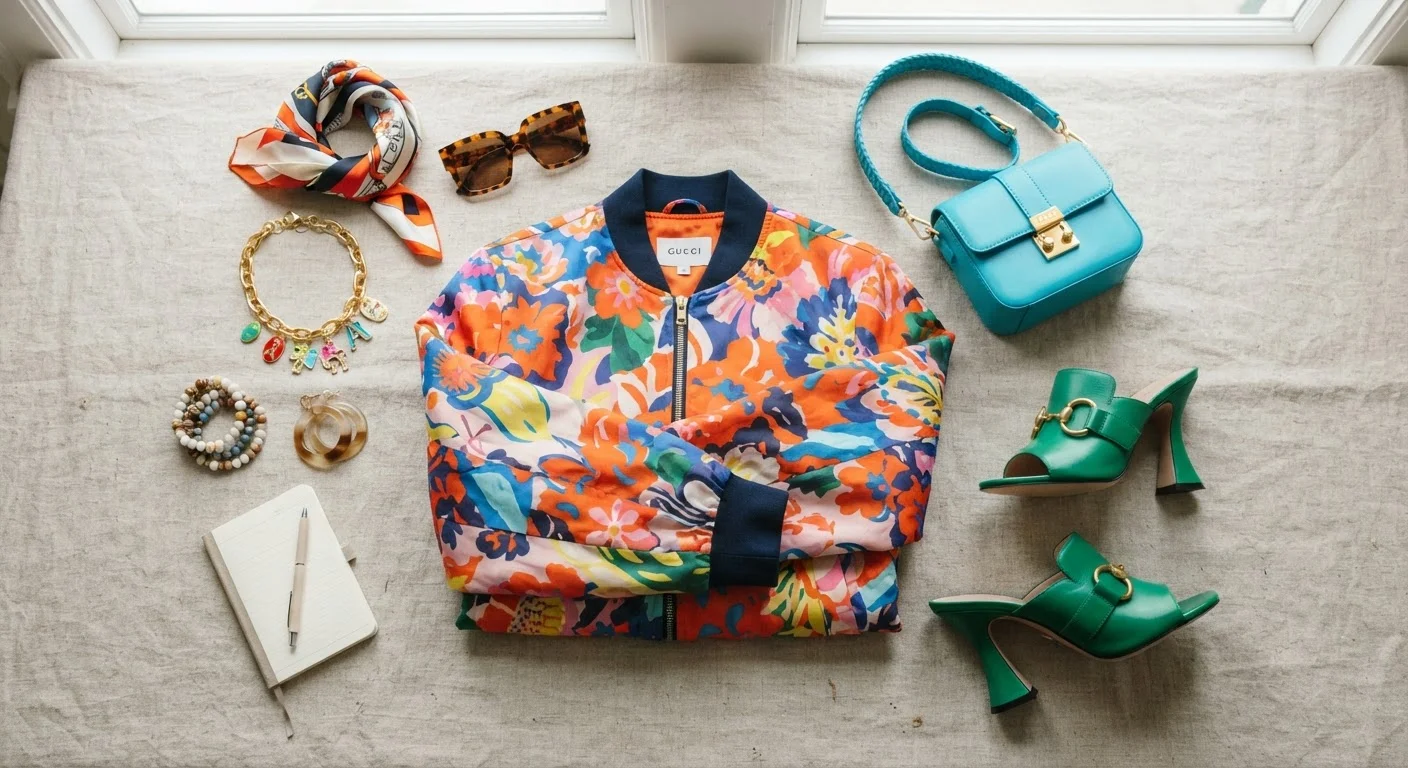
Photo credit: TheBlogZappier.com | Simple Search, Credible Results
In this article
Trend-led buys can be exciting but short-lived. A balanced look at when leaning into seasonal fashion pays off — and when it doesn't.
Key Takeaways
- Trend pieces offer immediate style relevance but often carry a limited wearable lifespan.
- Cost-per-wear is a practical metric for evaluating whether a trend buy is worthwhile.
- Low-commitment trend items — accessories, shoes — carry less financial risk than statement outerwear or bags.
- Trends rooted in classic silhouettes tend to outlast purely novelty-driven styles.
- Your existing wardrobe compatibility should factor into any trend purchase decision.
Adds immediate relevance and visual freshness
A well-chosen trend piece can modernize an otherwise static wardrobe without requiring a full overhaul. It signals style awareness in a way that purely classic pieces sometimes don't.
Low-cost entry points reduce financial risk
Many trend items — earrings, scarves, belts — are available at accessible price points, making the cost of participating in a trend proportionate to its likely lifespan.
Some trends recur and retain long-term value
Certain trends — wide-leg trousers, minimalist footwear, oversized blazers — cycle back reliably enough that a quality version can see multiple seasons of relevance.
Can bridge gaps in a functional wardrobe
A trend piece that also fills a genuine wardrobe gap — say, a statement outerwear piece you actually needed — justifies its cost both stylistically and practically.
Supports creative expression and personal identity
Engaging with trends can be an enjoyable, intentional form of self-expression rather than passive consumption, particularly when the piece resonates with your existing aesthetic.
Short wearable lifespan limits cost-per-wear value
Trend pieces frequently decline in relevance faster than their physical condition does, meaning you stop wearing them long before they're worn out — a common driver of wardrobe waste.
Creates wardrobe fragmentation over time
Accumulating trend pieces without a cohesive strategy can leave a wardrobe full of items that don't integrate well with each other, making daily dressing harder rather than easier.
High-price-point trends carry disproportionate risk
When trend pieces occupy premium price categories — luxury bags, designer outerwear — the mismatch between cost and likely longevity becomes a genuine financial consideration.
Trend saturation accelerates perceived obsolescence
Once a trend is widely adopted across all price points, it can feel dated almost overnight. The broader its reach, the faster it tends to exhaust its cultural currency.
Environmental and ethical costs compound at scale
Trend-driven purchasing, particularly at fast-fashion price points, contributes to high turnover cycles with documented environmental consequences. For more on this, see our piece on sustainable vs. fast-fashion trend cycles.
What 'Investing in a Trend Piece' Actually Means
The phrase gets used loosely, but it's worth being precise. A trend piece is a garment or accessory whose primary appeal is its alignment with a current seasonal or cultural moment — rather than its longevity or versatility. Buying one is less like a financial investment and more like spending on an experience: you're paying for relevance now, with the understanding that relevance has an expiration date.
That framing matters. It sets realistic expectations and helps you evaluate whether the spend makes sense relative to your broader wardrobe strategy. For context on how trend cycles have historically played out, see our complete reference to seasonal fashion cycles.
The calculus changes depending on the category. A $30 accessory that captures a micro-trend carries very different stakes than a $400 coat built around a silhouette that may feel dated in two seasons. Understanding that spectrum is where smart trend-buying starts.
The Upside: Why Trend Pieces Can Be Worth It
Adds immediate relevance and visual freshness
A well-chosen trend piece can modernize an otherwise static wardrobe without requiring a full overhaul. It signals style awareness in a way that purely classic pieces sometimes don't.
Low-cost entry points reduce financial risk
Many trend items — earrings, scarves, belts — are available at accessible price points, making the cost of participating in a trend proportionate to its likely lifespan.
Some trends recur and retain long-term value
Certain trends — wide-leg trousers, minimalist footwear, oversized blazers — cycle back reliably enough that a quality version can see multiple seasons of relevance.
Can bridge gaps in a functional wardrobe
A trend piece that also fills a genuine wardrobe gap — say, a statement outerwear piece you actually needed — justifies its cost both stylistically and practically.
Supports creative expression and personal identity
Engaging with trends can be an enjoyable, intentional form of self-expression rather than passive consumption, particularly when the piece resonates with your existing aesthetic.
Trend pieces aren't just frivolous impulse buys. When chosen thoughtfully, they serve real functions — signaling cultural awareness, refreshing a stagnant wardrobe, and offering genuine creative satisfaction. Fashion does have a communicative dimension, and participating in a trend can feel intentional rather than reactive.
The strongest case for a trend buy is when the piece also functions beyond the trend itself. A sculptural shoe that happens to be having a moment but also works with multiple existing outfits has staying power beyond its seasonal peak. Silhouettes with roots in classic cuts — a wide-leg trouser, a trench reinterpreted in a fresh fabric — tend to hold longer than purely novelty items.
The Downside: Real Risks to Weigh
Short wearable lifespan limits cost-per-wear value
Trend pieces frequently decline in relevance faster than their physical condition does, meaning you stop wearing them long before they're worn out — a common driver of wardrobe waste.
Creates wardrobe fragmentation over time
Accumulating trend pieces without a cohesive strategy can leave a wardrobe full of items that don't integrate well with each other, making daily dressing harder rather than easier.
High-price-point trends carry disproportionate risk
When trend pieces occupy premium price categories — luxury bags, designer outerwear — the mismatch between cost and likely longevity becomes a genuine financial consideration.
Trend saturation accelerates perceived obsolescence
Once a trend is widely adopted across all price points, it can feel dated almost overnight. The broader its reach, the faster it tends to exhaust its cultural currency.
Environmental and ethical costs compound at scale
Trend-driven purchasing, particularly at fast-fashion price points, contributes to high turnover cycles with documented environmental consequences. For more on this, see our piece on sustainable vs. fast-fashion trend cycles.
The most consistent risk in trend buying is the gap between perceived value at purchase and actual utility over time. A piece that feels essential in October can feel exhausted by February — not because it's worn out, but because the cultural moment it belonged to has already moved on.
Following trends too closely can also create wardrobe fragmentation — a collection of pieces that don't integrate well with each other or with your existing clothes. Over time, that pattern compounds into real clutter and real spending. It's also worth noting that trend saturation — seeing the same silhouette everywhere at once — tends to accelerate the feeling of a trend's decline. For a broader reflection on this phenomenon, see our piece on trend fatigue and personal style.
~$1,700
Average annual US apparel spend per person
According to the U.S. Bureau of Labor Statistics Consumer Expenditure Survey, American households spend a significant share of discretionary income on clothing, making intentional purchase decisions consequential.
Less than 10
Times most purchased clothing items are worn
Industry sustainability analyses have consistently found that a significant portion of purchased garments are worn fewer than ten times before being discarded or donated.
When It Actually Makes Sense to Buy
A few practical filters help cut through the noise:
- Cost-per-wear test: Divide the price by realistic number of wears. A $60 top worn 15 times costs $4 per wear — often more defensible than a $200 piece worn twice.
- Wardrobe compatibility: Does the piece work with at least three things you already own? If it requires building an entirely new outfit around it, the real cost is higher than the price tag suggests.
- Trend maturity: Early-cycle trends carry the risk of premature commitment; late-cycle purchases may feel immediately dated. Mid-cycle — when a trend is visible but not yet oversaturated — tends to offer the most wearable window.
- Category risk: Accessories and shoes carry lower risk than investment-category items like outerwear or structured bags. Keeping trend spend concentrated in lower-price-point categories is a common strategy for minimizing exposure.
For a complementary perspective on building a wardrobe that balances seasonal and year-round pieces, seasonal dressing vs. year-round wardrobes is worth exploring.
Trend Spending as Part of a Broader Budget
Trend purchases are a discretionary spending category, which means they benefit from the same intentionality as any other budget line. Setting a rough seasonal ceiling for trend spending — separate from your core wardrobe budget — can help prevent pattern overspend without eliminating the category entirely. For foundational guidance on structuring discretionary spending, the budgeting basics hub is a practical starting point.

Author
Style & Beauty Editorial Team
Style & Beauty Editorial Team is the collective byline for our editorial team and contributor network. Articles published under this byline or an editorial pen name are researched, written, and reviewed according to our editorial standards for clarity, consistency, and independence before publication.
View all articles →