
Trend Fatigue Is Real — Here's What It Means for Your Personal Style
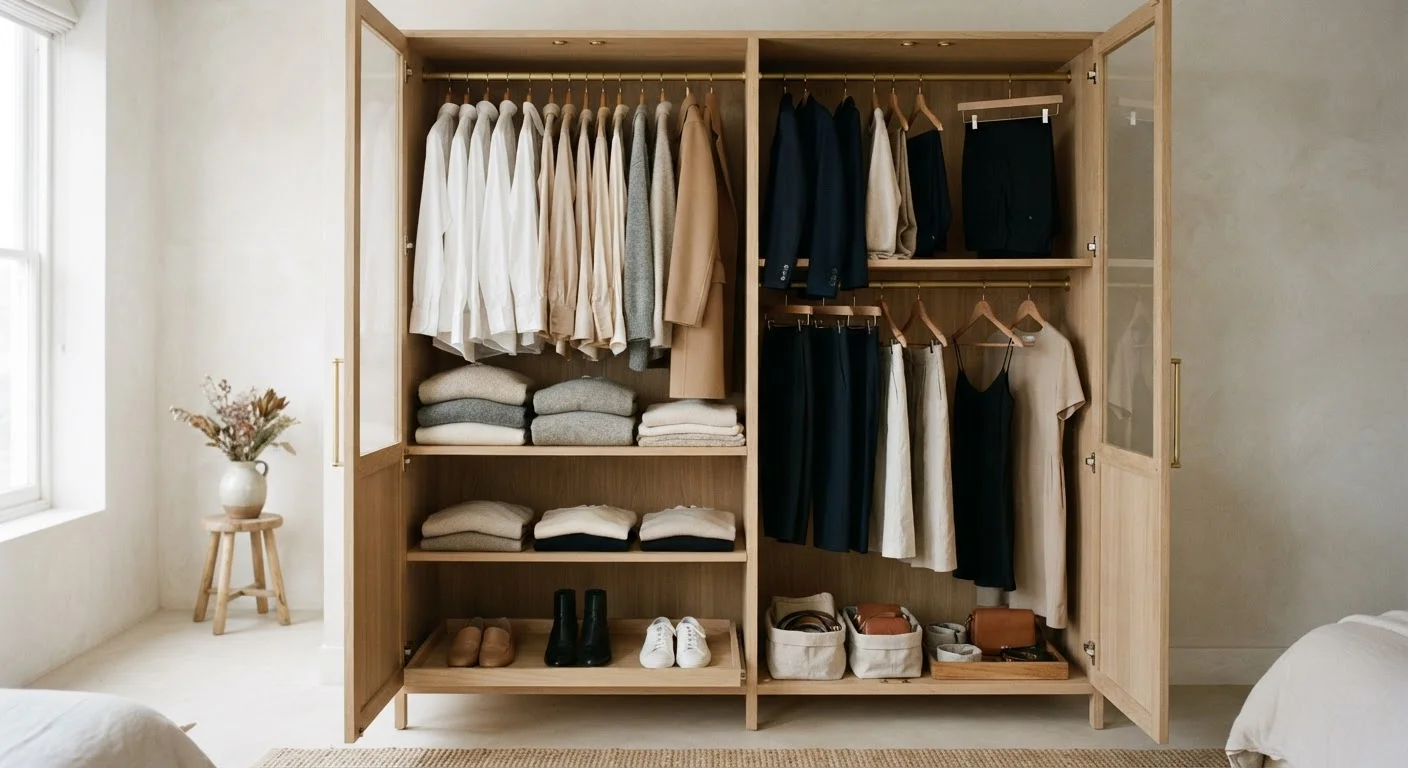
Photo credit: TheBlogZappier.com | Simple Search, Credible Results
In this article
When the pace of new trends feels overwhelming, it's a signal worth paying attention to. Understand the psychology and a path forward.
Key Takeaways
- Trend fatigue is a recognized psychological response to the overwhelming pace of modern fashion cycles.
- Social media has compressed trend lifecycles from seasons into weeks, intensifying the effect.
- Feeling disconnected from trends is often a signal to reassess your personal style foundation.
- Building a wardrobe around personal values rather than trend cycles can reduce fatigue.
- Selective trend engagement — choosing what genuinely resonates — is a sustainable middle ground.
Why the Fashion Cycle Feels Faster Than Ever
For most of fashion history, trends moved in seasons — spring/summer and fall/winter collections set the rhythm, and consumers had months to absorb and respond. That cadence has fundamentally broken down. Social platforms now amplify micro-trends that peak and fade in a matter of weeks, creating a relentless loop of "in" and "out" that even dedicated fashion followers find difficult to track.
The result is a style landscape where someone can feel behind before they've had a chance to engage. Industry observers frequently note that the gap between a trend appearing on a runway and being declared over online has narrowed dramatically. This compression is at the heart of trend fatigue: the problem isn't that trends exist, but that the pace of their turnover exceeds most people's bandwidth — financial, mental, and emotional.
Trend Cycles Vary by Category
Not all fashion categories move at the same speed. Footwear and accessories tend to cycle faster than tailoring and outerwear, which often retain relevance across multiple seasons. Understanding which categories you're most susceptible to in terms of reactive purchasing can help you focus your attention — and your budget — more deliberately.
What Trend Fatigue Actually Feels Like
Trend fatigue rarely announces itself clearly. More often, it shows up as a vague dissatisfaction when scrolling through new arrivals, a growing pile of barely-worn purchases, or a sense of disconnection between what's in your closet and who you actually are. Some people describe opening a full wardrobe and feeling like they have nothing to wear — not because pieces are missing, but because none of them feel genuinely theirs.
There's also a psychological dimension worth naming. When dressing becomes primarily a performance of cultural currency — wearing what signals relevance — rather than a form of self-expression, it can quietly erode the enjoyment that clothing is capable of providing. That shift often goes unnoticed until fatigue sets in.
Using Fatigue as a Style Recalibration Signal
One of the more useful reframes is to treat trend fatigue not as a problem to fix, but as data about your actual preferences. The discomfort often points directly toward what's been missing: a sense of authorship over your own wardrobe. Style consultants and editors frequently note that their most confident clients aren't trend-agnostic — they're trend-selective. They know which shifts genuinely excite them and which they can comfortably ignore.
A practical starting point is identifying the pieces in your current wardrobe that feel most like you — not the ones you bought because they were everywhere, but the ones you return to repeatedly. That self-audit is the foundation of fashion basics: understanding what already works before adding anything new.
For those curious about when it does make sense to lean into a trend deliberately, our piece on investing in trend pieces offers a balanced framework for thinking through those decisions.
Try a Reverse Wardrobe Audit
Instead of asking what you want to add, spend time identifying what you already own that you reach for consistently and why. Note the common threads — silhouette, fabric, color, or occasion — and use those as the filter for future decisions. This approach tends to produce more durable satisfaction than chasing what's currently prominent.
A Sustainable Approach to Dressing Going Forward
Trend fatigue often resolves — at least partially — when people shift from a reactive to an intentional approach to their wardrobe. That doesn't mean building a rigid uniform or swearing off new pieces entirely. It means developing a clearer internal framework: knowing your preferred silhouettes, the color palette you find yourself gravitating toward, and the occasions you genuinely dress for.
It's worth noting that this shift also tends to have practical downstream effects. Buying fewer but more considered pieces typically means less waste and more consistent satisfaction with what you own. The decision-making process also becomes simpler — not because you're following a trend template, but because you have a reference point in your own preferences. In a small way, this kind of wardrobe intentionality mirrors principles found in other areas of considered decision-making, like understanding your own risk tolerance before making any significant commitment.
~52
Micro-trend cycles per year in fast fashion
Industry analysts have noted that some fast fashion retailers now produce new collections on a near-weekly basis, compared to the traditional two-season model.
30%
Of purchased clothing reportedly never worn
Various wardrobe audit surveys, including research cited by sustainability organizations, suggest a significant portion of clothing purchases go unworn — a pattern consistent with reactive trend buying.
Frequently Asked Questions

Author
Style & Beauty Editorial Team
Style & Beauty Editorial Team is the collective byline for our editorial team and contributor network. Articles published under this byline or an editorial pen name are researched, written, and reviewed according to our editorial standards for clarity, consistency, and independence before publication.
View all articles →