
Following Trends Too Closely: Where Seasonal Style Advice Goes Wrong
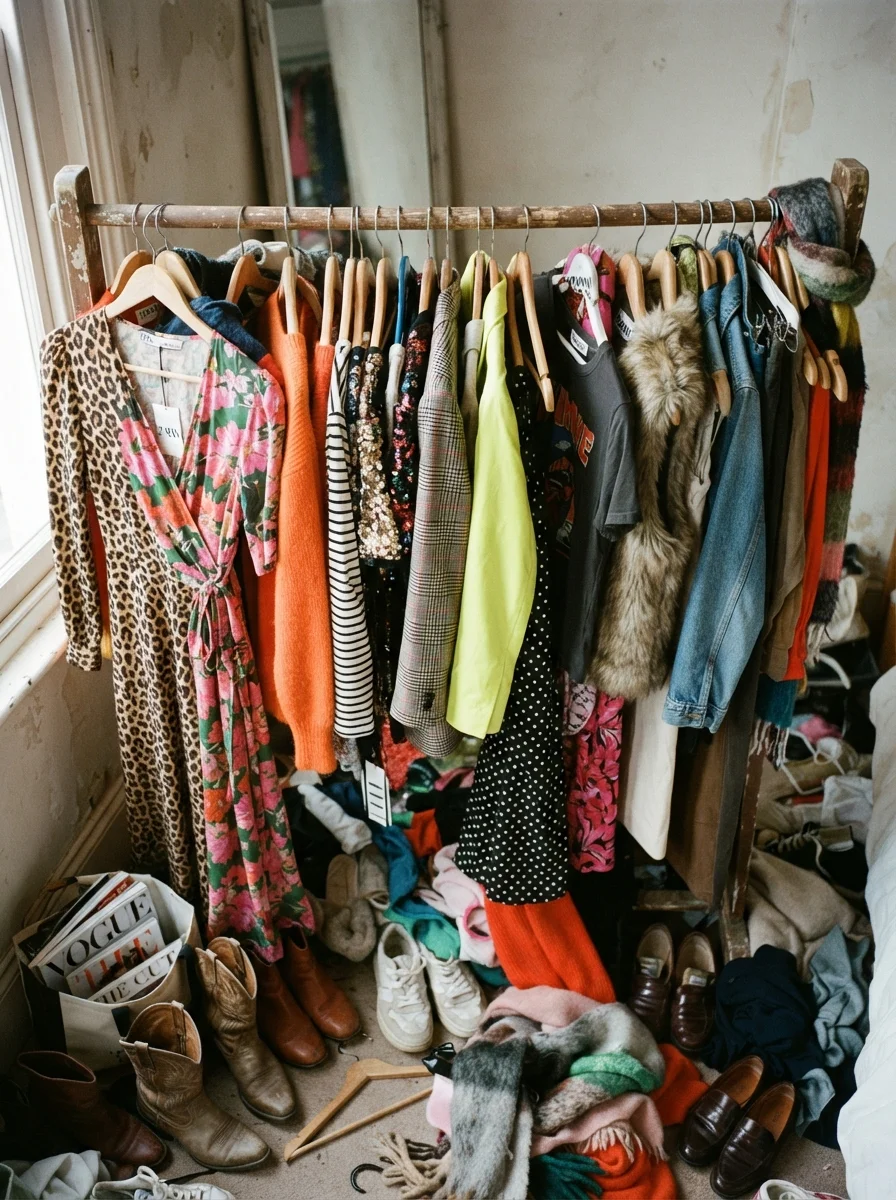
Photo credit: TheBlogZappier.com | Simple Search, Credible Results
In this article
Chasing every trend can leave your wardrobe cluttered and your style inconsistent. Here's what to watch out for.
Key Takeaways
- Not all trends are worth acting on — micro-trends often fade before a single season ends.
- Trend-chasing without a personal style anchor leads to a wardrobe full of unworn pieces.
- Seasonal style advice is often written for an aspirational audience, not your actual lifestyle.
- Understanding trend longevity helps you decide what's worth buying versus simply admiring.
- A consistent personal style framework makes trend decisions faster and less costly.
Why Seasonal Trend Advice Can Lead You Astray
Every season, a wave of editorial advice tells you what colors to wear, which silhouettes are in, and what accessories signal that you're paying attention. Some of it is genuinely useful. A lot of it is noise — and following it too closely is one of the most common and quietly expensive style mistakes consumers make.
The problem isn't that trends exist. Fashion has always cycled through ideas, and understanding those cycles can sharpen your eye for what lasts. The issue arises when seasonal advice is consumed without any filter for personal context: your body, your lifestyle, your existing wardrobe, and your budget. When that filter is missing, trend-following becomes reactive rather than intentional — and the wardrobe you build reflects the market more than it reflects you.
If you've ever opened your closet and felt surrounded by things you don't quite wear, this is worth understanding. See our practical guide to building personal style for a framework to work from before trends even enter the picture.
Treating every editorial trend as a personal directive.
Why it happens: Seasonal fashion coverage is written to be broadly compelling, which means it often reads as prescriptive even when it isn't. Readers absorb trend reports as instructions rather than observations.
Buying trend pieces without checking whether they integrate with what you already own.
Why it happens: In-the-moment enthusiasm for a specific piece often overrides practical thinking about how it connects to the rest of a wardrobe. The item looks compelling in isolation.
Confusing a micro-trend for a lasting style shift.
Why it happens: Social media accelerates trend visibility dramatically, making a two-week viral moment look indistinguishable from a multi-season design direction. The volume of coverage suggests staying power that may not exist.
Abandoning a personal style framework each season in favor of whatever's current.
Why it happens: Without a clear sense of personal style, trend coverage fills the vacuum. Each season's aesthetic becomes the default, leading to a wardrobe that shifts wholesale rather than evolving gradually.
Applying seasonal dressing rules rigidly regardless of climate or lifestyle.
Why it happens: Editorial advice is often produced for a national or aspirational audience, not calibrated to specific climates, professional contexts, or daily realities. Readers apply it literally anyway.
The Structural Problems With Following Trends Too Closely
Beyond individual mistakes, trend-chasing creates a structural problem in your wardrobe: pieces that don't integrate with anything else you own. A wardrobe built reactively, season by season, tends to accumulate items that were each individually appealing but collectively incoherent.
~52
Micro-collections major fast-fashion brands release annually
Industry analysts have noted that some fast-fashion retailers shifted from two seasonal collections per year to as many as 52 micro-collections, accelerating the pace at which consumers encounter new trend signals.
~70%
Of purchased clothing reportedly rarely or never worn
Various wardrobe audit studies over the past decade have suggested that a significant share of clothing purchased goes largely unworn, with trend-chasing and impulse buying cited as contributing factors.
This is compounded by the fact that not all trends operate on the same timeline. Micro-trends and macro-trends behave very differently, and conflating them leads to over-investment in moments that last weeks rather than years. A color that sweeps social media in early spring may be invisible by summer — but it looked exactly like a seasonal directive when the editorial coverage peaked.
There's also the financial dimension. Trend pieces often carry full-season pricing at exactly the moment demand is highest. Understanding when trend investment makes sense — and when it doesn't — is a meaningful part of managing a wardrobe budget. For broader spending context, the budgeting basics hub offers relevant grounding on tracking discretionary spending.
When the cumulative weight of trend cycles starts to feel exhausting rather than exciting, that reaction has a name. Trend fatigue is a documented pattern, and recognizing it early can redirect your energy toward a more durable approach to dressing.
Trend Velocity Has Increased Significantly
The pace at which trends cycle has accelerated well beyond traditional seasonal fashion calendars. What once moved across two to four major seasons per year now moves in weeks across social platforms. This compression means that acting on every trend signal carries a higher risk of wardrobe clutter and financial waste than it did in previous decades. Slowing your response time is not falling behind — it's a practical safeguard.

Author
Style & Beauty Editorial Team
Style & Beauty Editorial Team is the collective byline for our editorial team and contributor network. Articles published under this byline or an editorial pen name are researched, written, and reviewed according to our editorial standards for clarity, consistency, and independence before publication.
View all articles →