
The Difference Between a Micro-Trend and a Macro-Trend in Fashion
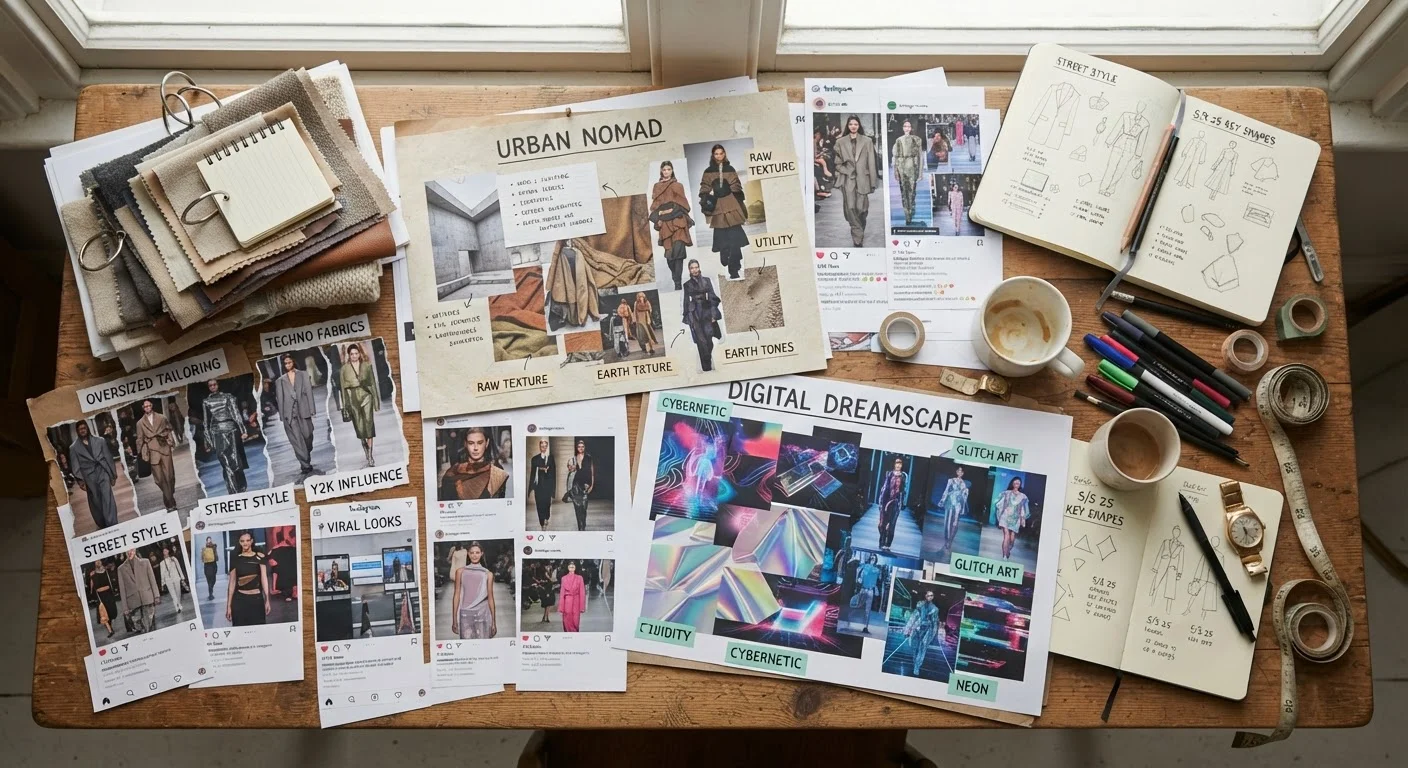
Photo credit: TheBlogZappier.com | Simple Search, Credible Results
In this article
Not all trends are equal. Learn how to tell a fleeting social-media moment from a lasting shift in consumer style.
Two Types of Trend, Two Very Different Timelines
Not every style moment deserves the same attention. In the fashion industry, trends are broadly categorized by how long they persist and how widely they reshape consumer behavior. The two most useful categories for everyday shoppers are micro-trends and macro-trends — and understanding the difference can help you decide when to invest and when to wait.
| Micro-trend lifespan | Weeks to a few months (General industry consensus among trend analysts) |
| Macro-trend lifespan | 3–10+ years (General industry consensus among trend forecasters) |
| Primary micro-trend driver | Social media algorithms and platform virality |
| Primary macro-trend driver | Cultural, economic, or social shifts |
| Micro-trend scope | Narrow — typically one item, color, or technique |
| Macro-trend scope | Broad — influences multiple categories simultaneously |
A micro-trend is a short-lived style moment, typically peaking within weeks to a few months, often amplified by social media platforms before fading just as quickly. A macro-trend, by contrast, is a broad, sustained shift in how people dress, think about clothing, or relate to fashion as a system — playing out over several years or even a decade. Both are real, but they operate on fundamentally different clocks.
For a deeper understanding of how industry timing affects when trends actually reach store shelves, see how the fashion calendar works.
Micro-Trends: Fast, Specific, and Platform-Driven
Micro-trends are hyper-specific: a particular shade of lip gloss, one silhouette of ballet flat, or a single styling technique that saturates feeds for a season. They tend to be visually distinct and highly shareable, which is precisely why platforms accelerate them. The cycle from emergence to oversaturation has compressed dramatically in the social-media era — what once took two years can now resolve in under six months.
Key characteristics of micro-trends include:
- High specificity: They refer to a narrow item or look, not a broad aesthetic direction.
- Platform dependency: Their rise and fall closely tracks algorithmic amplification rather than traditional runway adoption.
- Short commercial window: Fast-fashion retailers often rush production to meet the moment, contributing to very different trend cycle rhythms across the industry.
- Low staying power: Once widely adopted, they tend to feel dated quickly.
Micro-trend
A highly specific, short-lived style moment — often a single item, color, or technique — that rises and falls quickly, frequently driven by social media virality rather than sustained cultural adoption.
Macro-trend
A broad, sustained shift in fashion aesthetics or consumer behavior that plays out over multiple years, typically rooted in wider cultural, economic, or social changes rather than a single platform moment.
Trend cycle
The arc a trend follows from introduction through peak adoption to decline. Cycle length varies significantly between micro-trends (weeks to months) and macro-trends (years to decades).
Trend forecasting
The professional practice of identifying emerging aesthetic, cultural, and consumer-behavior signals to predict which directions will gain traction in fashion and retail, typically 12 to 24 months ahead of market.
Trend fatigue
A state of psychological exhaustion caused by the rapid pace of new trend cycles, leading consumers to feel overwhelmed or disengaged from fashion as a whole.
Casualization
A macro-trend describing the broad, long-term shift toward more relaxed, informal dress codes across contexts — including workplaces — that has shaped Western fashion across multiple decades.
This rapid churn is a primary driver of trend fatigue — the feeling of exhaustion that comes from keeping pace with an endless stream of new looks.
Macro-Trends: Broad, Slow, and Culturally Rooted
Macro-trends reflect deeper cultural, economic, or social shifts — the kind that quietly reshape entire categories of clothing over years. The move toward casualization in workwear, the sustained interest in gender-fluid silhouettes, or the growing cultural weight placed on sustainability in purchasing decisions are all examples. These aren't single viral moments; they're directional changes that forecasters, retailers, and designers track over multi-year horizons.
Macro-trends typically share several distinguishing qualities:
- Cross-category reach: They influence multiple product types simultaneously — outerwear, footwear, accessories — rather than one specific item.
- Cultural underpinning: They often correlate with broader social or economic conditions, not just aesthetic preference.
- Runway and retail alignment: They appear consistently across multiple designer collections and retail seasons, not as a single collection moment.
- Longevity: A genuine macro-trend typically sustains influence for three to ten or more years.
Reviewing seasonal cycles across the decades illustrates how macro-trends recur, evolve, and get reinterpreted over time — patterns that micro-trends rarely follow.
~6 months
Average micro-trend peak-to-fade window in the social media era
Industry observers note this cycle has compressed from roughly two years in the pre-social-media fashion landscape.
3–10+ years
Typical duration of a genuine macro-trend
Trend forecasting agencies generally define macro-trends by their ability to sustain influence across multiple retail seasons and designer collections.
Why the Distinction Matters for Your Wardrobe
Treating a micro-trend with the same investment as a macro-trend is one of the most common missteps in personal style-building. A piece purchased to match a six-week social-media moment may feel out of place by the following season, contributing to wardrobe clutter and inconsistent personal style — a pattern explored in depth in where seasonal style advice goes wrong.
Recognizing a macro-trend, on the other hand, can inform more considered purchasing decisions. If a broad aesthetic direction — say, a sustained move toward relaxed tailoring — is shaping collections across multiple seasons and price points, pieces aligned with that direction are likely to feel current for longer. That said, even macro-trend-aligned purchases carry trade-offs, which investing in trend pieces addresses with a balanced view of the upside and downside.
Understanding trend timelines is also foundational to the broader category of fashion basics — the core concepts that help consumers build a coherent, durable approach to personal style regardless of what's circulating on any given platform.
Macro-Trends Don't Cancel Micro-Trends
Both trend types coexist at any given moment — a macro-trend toward, say, earthy tones doesn't prevent a micro-trend in a single neon accessory from simultaneously circulating. Savvy shoppers learn to read both layers at once, using macro-trend awareness to guide larger purchases while staying selectively playful with micro-moments. Neither type is inherently better; the value lies in knowing which lens you're using.

Author
Style & Beauty Editorial Team
Style & Beauty Editorial Team is the collective byline for our editorial team and contributor network. Articles published under this byline or an editorial pen name are researched, written, and reviewed according to our editorial standards for clarity, consistency, and independence before publication.
View all articles →