
Natural Fibres vs. Synthetic Fabrics: Understanding What You're Wearing
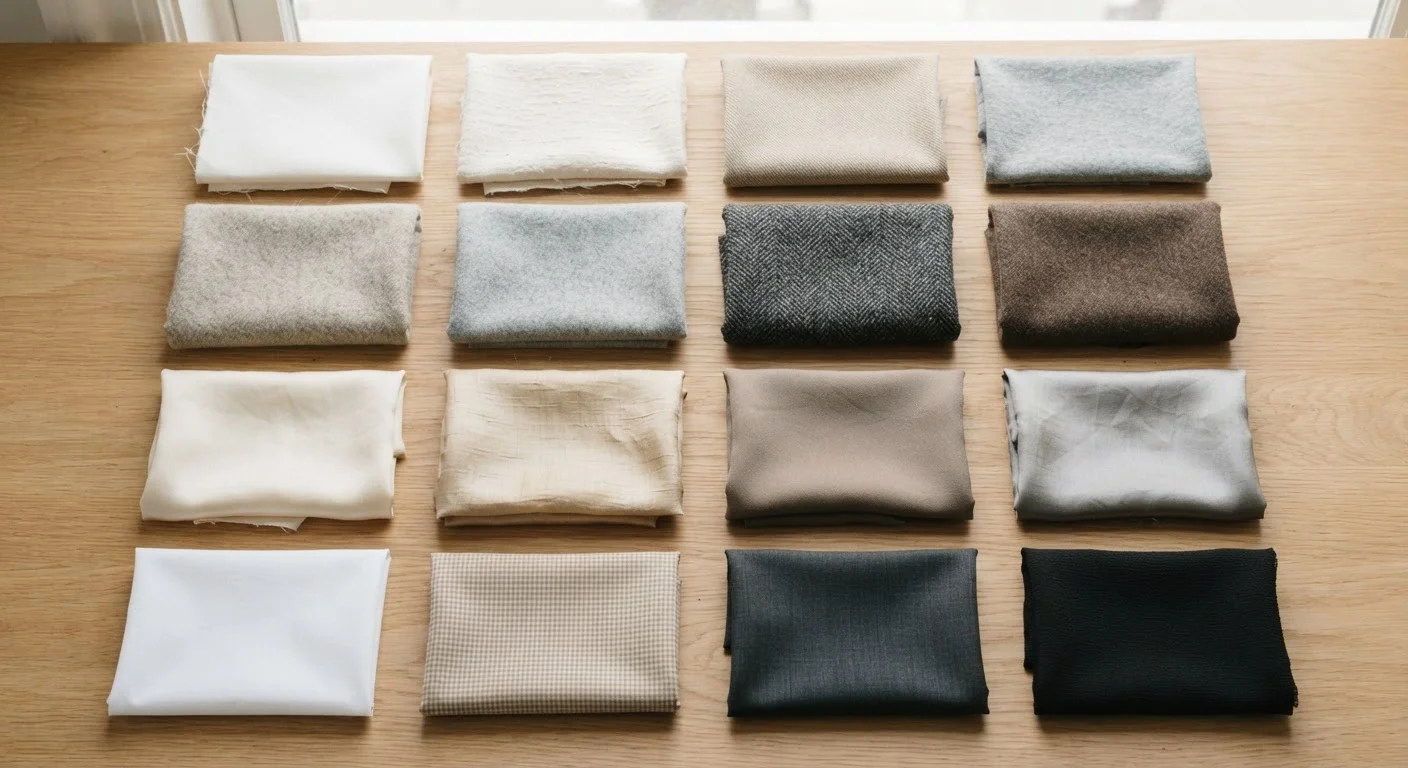
Photo credit: TheBlogZappier.com | Simple Search, Credible Results
In this article
Cotton, polyester, wool, nylon — learn what each fabric type offers and where the trade-offs lie in comfort, durability, and care.
Key Takeaways
- Natural fibres like cotton and wool are breathable and biodegradable but typically require more careful laundering.
- Synthetic fabrics such as polyester and nylon are durable and moisture-wicking but can trap heat and shed microplastics.
- Blended fabrics combine properties of both types, often improving performance at the cost of care complexity.
- Fabric choice affects comfort, longevity, environmental impact, and how much maintenance a garment needs.
- Neither category is universally superior — the right choice depends on use case, climate, and personal priorities.
What Makes a Fibre Natural or Synthetic?
Fabric classification starts at the source. Natural fibres come from plants or animals — cotton from the cotton plant's seed pods, wool from sheep fleece, linen from flax stems, and silk from silkworm cocoons. They have been spun into textiles for thousands of years. Synthetic fabrics, by contrast, are manufactured from petroleum-derived polymers through industrial chemical processes. Polyester, nylon, acrylic, and spandex are the most common examples.
A third category — semi-synthetic or regenerated fibres — occupies a middle ground. Viscose (rayon) and modal are made by chemically processing natural plant cellulose, giving them some natural properties alongside manufacturing-intensive production. Understanding where your clothing originates helps you predict how it will perform, how long it will last, and what care it needs. The clothing label guide on this site explains how fibre content is disclosed on tags and what those percentages actually mean.
| Criterion | Natural Fibres | Synthetic Fabrics |
|---|---|---|
| Source | Plants or animals | Petroleum-derived polymers |
| Breathability | Generally high | Variable; often lower |
| Moisture management | Absorbs then releases | Wicks quickly (performance types) |
| Durability | Moderate; care-dependent | High; wash-resistant |
| Care requirements | Often more delicate | Typically machine-washable |
| Biodegradability | Generally biodegradable | Slow to break down |
| Microplastic shedding | Not applicable | Yes, during laundering |
| Typical cost | Varies; quality adds cost | Often lower at entry level |
Comfort, Breathability, and Skin Feel
Natural fibres generally allow better airflow. Cotton absorbs moisture away from the skin and releases it into the air, which most people experience as a cooling effect. Wool offers a more complex performance: its natural crimp traps warm air efficiently in cold conditions while its moisture-management properties prevent the clammy feeling associated with synthetic insulation. Linen is highly breathable and softens with washing, making it popular in warm climates.
Synthetic fabrics vary widely. Standard polyester holds moisture close to the skin and can feel warm or sticky in humid conditions, though modern performance-engineered versions are designed to wick and evaporate sweat quickly — particularly relevant for activewear. Nylon is smooth, strong, and less prone to static than polyester, but shares similar breathability limitations. Some wearers report skin sensitivity to synthetic fabrics, particularly those with rougher weave textures or residual chemical finishes.
Blends: The Middle Ground
Many garments on the market are fabric blends — combinations of natural and synthetic fibres in varying percentages. A 60% cotton / 40% polyester shirt, for example, aims to offer cotton's softness alongside polyester's wrinkle resistance and shape retention. Blends are a practical compromise but require attention to the care instructions of the more delicate fibre in the mix. Always check the label before washing.
For those building a wardrobe that transitions across seasons, seasonal versus year-round wardrobe strategies explores how fabric choice intersects with how you organise clothing throughout the year.
Durability, Care, and Long-Term Wearability
Synthetics have a clear advantage in raw durability. Polyester resists shrinking, stretching, and fading. Nylon is one of the strongest textile fibres by weight. Both hold dye well and can withstand frequent machine washing at higher temperatures. For everyday basics or garments that see heavy use, this resilience is a genuine practical benefit.
Natural fibres require more attention. Wool can felt and shrink if exposed to heat and agitation; cotton weakens over time in very hot washes; silk demands hand washing or dry cleaning. However, high-quality natural fibre garments that are cared for properly tend to hold their shape and texture over many years. There is also a tactile dimension — cotton, linen, and wool often improve with age in ways that most synthetics do not. The guide to caring for clothes so they last longer covers practical laundering and storage techniques applicable to both fabric types.
~35%
Global textile fibre share: cotton
Cotton consistently accounts for roughly a third of global fibre production, according to industry textile trade data.
~54%
Global fibre production: synthetics
Synthetic fibres — led by polyester — represent the majority of global textile output, reflecting demand for affordable, durable apparel.
500,000+
Tonnes of microplastics from laundry annually
Research cited by environmental organisations estimates over half a million tonnes of microplastic fibres enter oceans each year from synthetic textile washing.
Blended fabrics — such as a cotton-polyester mix — attempt to combine the breathability of natural fibres with the durability of synthetics. They are common across everyday casualwear and workwear, though they can complicate care decisions and may not be as easy to recycle as single-fibre garments.
Environmental Considerations
Neither category is without environmental impact, but the concerns differ significantly. Natural fibre production requires land, water, and often pesticides — conventional cotton farming in particular is associated with high water consumption. Wool production involves land use and methane emissions from livestock. Organic and regenerative farming practices reduce these impacts but are not universal.
Synthetic fabrics are derived from fossil fuels, a non-renewable resource, and do not biodegrade readily in landfill. A widely discussed concern is microplastic shedding: synthetic garments release tiny plastic fibres during laundering that pass through wastewater treatment systems and enter waterways. Research into the scale and ecological impact of this is ongoing. Understanding these trade-offs allows consumers to make more informed choices aligned with their own priorities, whether that means seeking out organic cotton, reducing wash frequency, or choosing longer-lasting pieces. For those interested in style decisions that interact with sustainability, the Trends & Seasons hub tracks how these conversations are shaping current fashion.

Author
Style & Beauty Editorial Team
Style & Beauty Editorial Team is the collective byline for our editorial team and contributor network. Articles published under this byline or an editorial pen name are researched, written, and reviewed according to our editorial standards for clarity, consistency, and independence before publication.
View all articles →