
Transitional Dressing: Building a Wardrobe That Moves Between Seasons Gracefully
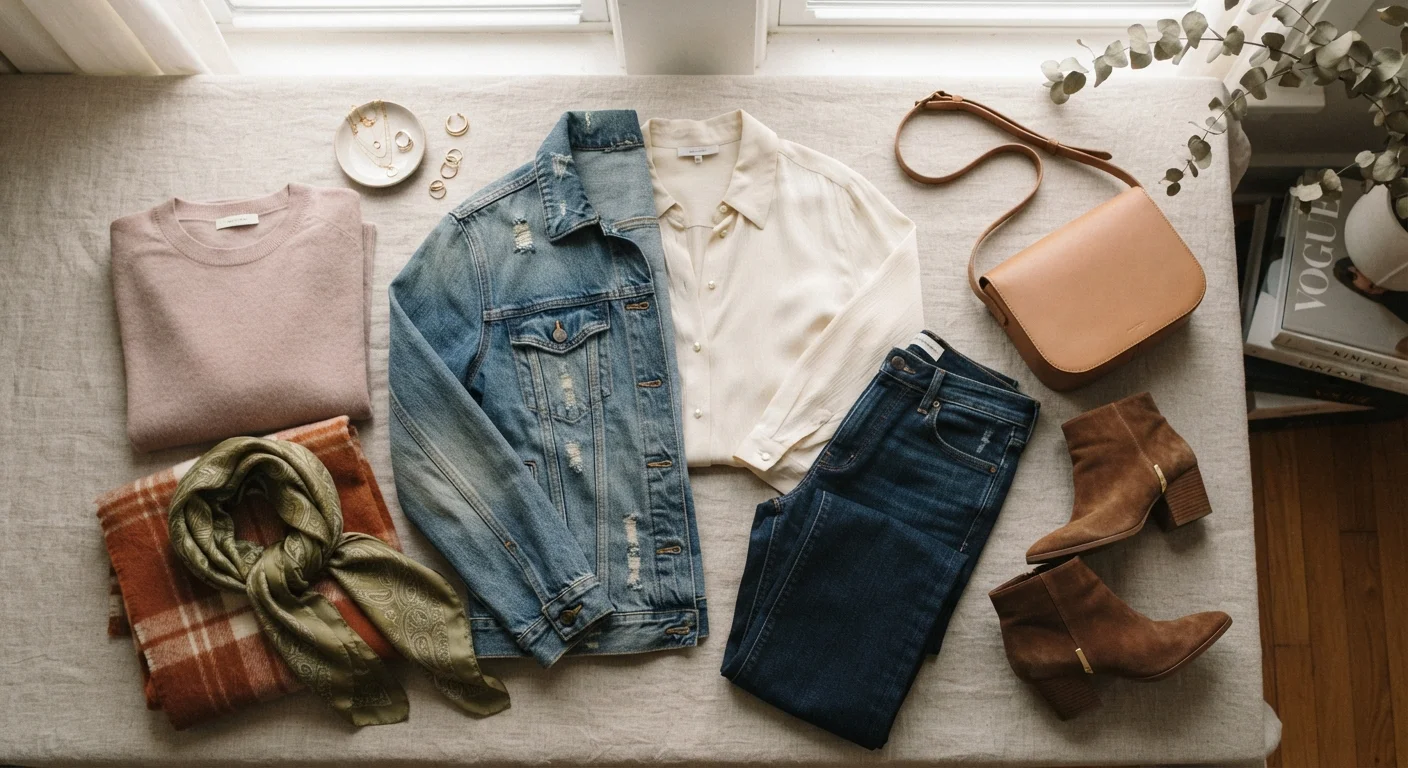
Photo credit: TheBlogZappier.com | Simple Search, Credible Results
In this article
Learn the layering logic and fabric choices that help your existing clothes work across spring-to-summer and autumn-to-winter shifts.
Key Takeaways
- Fabric weight and breathability determine whether a piece can genuinely work across multiple seasons.
- Layering in distinct functional zones — base, mid, and outer — prevents bulky or proportionally awkward outfits.
- A small set of transitional anchor pieces can extend the usable life of your existing wardrobe significantly.
- Colour palette cohesion makes mixing season-specific pieces feel intentional rather than mismatched.
- Proper garment care directly affects how long transitional pieces perform across repeated seasonal rotations.
Why Transitional Dressing Deserves Its Own Strategy
The gaps between seasons — typically March through May and September through November in the US — are often the most difficult dressing periods of the year. Temperatures fluctuate significantly within a single day, and the cultural cues around seasonal dressing don't always match actual weather conditions. Many people respond by either holding onto summer clothes too long or reaching for heavy winter pieces too early, neither of which serves them well.
Transitional dressing isn't about buying a separate in-between wardrobe. It's about understanding which pieces you already own can carry across temperature ranges, and how to combine them with enough flexibility to respond to daily variation. This approach is distinct from both a strictly seasonal wardrobe and a purely year-round one — for a detailed comparison of those two frameworks, see seasonal dressing vs. year-round wardrobes.
The skills involved — fabric literacy, layering logic, and colour palette management — are transferable across both the spring-to-summer and autumn-to-winter transitions, making the time you invest in learning them compound in value across multiple years.
Avoid Buying New Before Auditing First
Before adding transitional pieces, assess what you already own. Many wardrobes contain items that naturally bridge seasons but are stored away prematurely. A thorough audit — checking fabric weights, colours, and layering potential — often reveals more versatility than expected. See our seasonal wardrobe checklist for a structured approach.
Tools and Prerequisites
Getting your transitional wardrobe right doesn't require significant purchases upfront. The most important inputs are information and method. Before working through the steps below, gather the following:
What you will need
If you're working with a genuinely limited wardrobe, the wardrobe foundations framework is a useful starting reference for identifying which pieces to prioritise acquiring.
Fabric content labels
Identify fibre composition to determine breathability, warmth, and layering suitability.
Steamer or clothes iron
Refresh and smooth transitional pieces that have been stored, so they're ready to wear immediately.
Wardrobe audit checklist
Systematically assess existing pieces for transitional potential before adding anything new.
Clothing storage boxes or breathable garment bags
Store season-specific items cleanly so transitional pieces remain accessible and well-maintained.
Step-by-Step: Building Your Transitional System
The six steps below move from assessment through to maintenance, covering the full cycle of transitional wardrobe management. Work through them in sequence the first time; once the system is established, only steps one and six need revisiting at each seasonal shift.
Audit your current wardrobe for transitional potential
Before building anything new, identify what you already own that bridges seasons naturally. Pull out every piece and sort by fabric weight — not by the season you typically wear it. Lightweight knits, unlined denim, chambray shirts, and fine merino wool are all examples of fabrics that perform across temperature ranges. Use our season-by-season preparation checklist to structure this process.
Identify your fabric anchors
Transitional dressing depends heavily on mid-weight, breathable fabrics. Look for pieces in fine merino wool, cotton-linen blends, lightweight tweed, and modal. These materials regulate temperature more effectively than heavy wool or sheer summer fabrics. Avoid anchoring your transitional wardrobe on heavily structured or heavily padded pieces — they limit layering range and rarely read appropriately across seasonal contexts.
Apply the three-zone layering framework
Effective transitional dressing uses a base, mid, and outer layer — each with a distinct function. The base layer manages moisture and sits closest to the skin; the mid layer provides warmth and is the most visible styling zone; the outer layer responds to weather and is the first to be removed. Understanding the logic behind layering prevents the common mistake of adding bulk without adding function.
Build a transitional colour palette
Season-specific pieces often fail to mix because their colour language is too distinct — bright summer hues clash with deep winter tones. Narrow your transitional palette to four to six colours that sit comfortably in both contexts. Warm neutrals, dusty blues, ochre, and olive tend to span the divide most effectively. This palette discipline also ensures that pieces bought in different seasons continue to work together without forcing outfits.
[tip_callout]Identify and address proportion gaps
Transitional layering can distort proportions if pieces aren't chosen with fit relationships in mind. A slim base requires a slightly relaxed mid layer to sit cleanly; a voluminous mid layer typically needs a more structured outer to avoid visual overload. Check that each layer you plan to combine can be worn together without restricting movement or creating excessive bulk at the shoulders, waist, or hips. The wardrobe foundations most frameworks return to are precisely the pieces that carry neutral proportions and therefore layer most predictably.
Establish a care and maintenance routine for transitional pieces
Pieces that rotate through multiple seasons face more wear cycles than those stored for a single season. Establish a consistent care routine — correct wash temperatures, appropriate drying methods, and timely repairs to seams or buttons — to maintain their condition. Our guide on caring for clothes so they last longer covers fabric-specific techniques that extend the life of transitional-weight garments significantly.
Fabric Blends Can Be Misleading
A garment labelled 'lightweight' may still trap heat if it contains a high proportion of synthetic fibres. Always check the full fibre content on the care label, not just the marketing description. This matters especially for pieces you plan to layer, as synthetic mid-layers can make an outfit uncomfortably warm once temperatures rise.
Common Pitfalls and How to Avoid Them
The most frequent mistake in transitional dressing is treating it as a buying exercise rather than a systems exercise. Adding new pieces without first understanding what you already own typically results in a wardrobe that's larger but no more functional. A second common error is prioritising visual trend alignment over fabric performance — a piece that looks transitional but is woven from a non-breathable synthetic will disappoint in practice regardless of how it photographs.
Proportional mismatches are also common when people begin layering seriously for the first time. If your mid layer is substantially longer than your outer layer, or your base layer is so fitted that it restricts the drape of the mid layer, the result reads as unintentional rather than considered. Reviewing the principles in our layering guide before committing to a combination helps avoid this.
Finally, transitional pieces tend to be worn more frequently than season-specific items, which means they wear out faster without proper care. Treating garment maintenance as part of the system — not an afterthought — is what allows the wardrobe to remain functional across multiple years rather than requiring replacement each cycle.

Author
Style & Beauty Editorial Team
Style & Beauty Editorial Team is the collective byline for our editorial team and contributor network. Articles published under this byline or an editorial pen name are researched, written, and reviewed according to our editorial standards for clarity, consistency, and independence before publication.
View all articles →