
Why Preventive Vet Care Costs Less Than You Think in the Long Run
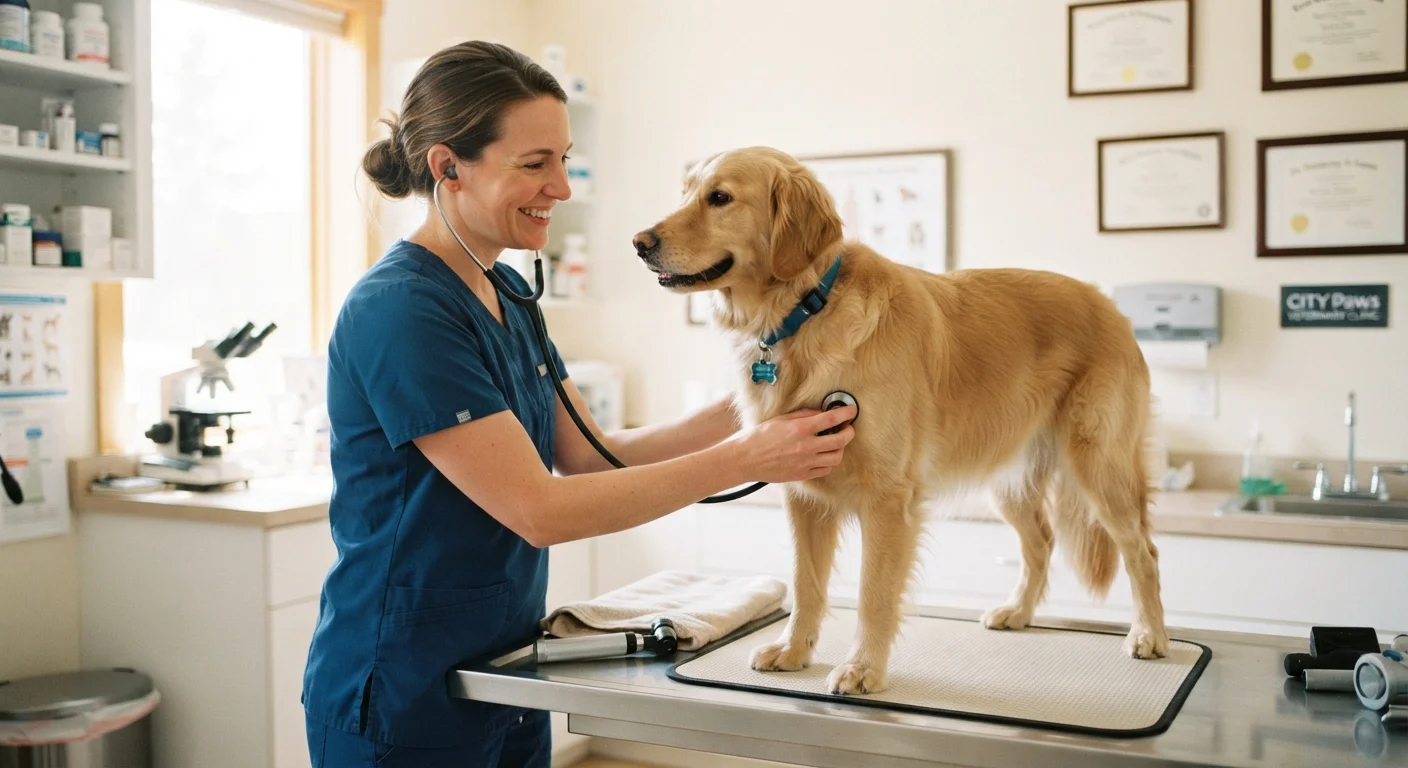
Photo credit: TheBlogZappier.com | Simple Search, Credible Results
In this article
Skipping annual check-ups to save money often backfires. Here's how routine prevention compares to the cost of treating conditions caught late.
Key Takeaways
- Routine vet visits typically cost far less than treating conditions discovered at an advanced stage.
- Preventive care includes vaccines, parasite control, dental cleanings, and annual bloodwork.
- Many serious pet illnesses — including kidney disease and diabetes — are manageable when caught early.
- Budgeting a modest monthly amount for preventive care reduces the risk of large, unexpected bills.
- Pet wellness plans can help spread the cost of routine care across the year.
Early detection reduces treatment complexity and cost
Conditions identified in early stages — such as kidney disease or hypothyroidism — typically require less intensive intervention, meaning fewer specialist referrals, shorter hospital stays, and lower overall bills.
Vaccines prevent expensive, life-threatening illnesses
Core vaccines protect against diseases like parvovirus and distemper, which can require critical-care hospitalization costing thousands of dollars — costs that vaccination largely eliminates.
Parasite prevention avoids secondary health complications
Monthly heartworm, flea, and tick prevention is far less costly than treating heartworm disease, Lyme disease, or flea allergy dermatitis — all of which involve extended treatment courses.
Establishes a health baseline for your pet
Regular exams allow vets to track weight, bloodwork values, and organ function over time, making it easier to spot meaningful changes before they become symptomatic.
Reduces emergency and after-hours vet visits
Emergency veterinary clinics charge significantly higher fees than routine visits; catching problems early during scheduled appointments helps avoid the urgency — and the premium pricing — of crisis care.
Upfront costs can strain tight household budgets
Annual wellness visits, vaccines, and preventive medications represent real out-of-pocket expenses each year, which can feel difficult to prioritize when finances are stretched.
Preventive care does not guarantee disease prevention
Genetics, environment, and chance mean some pets develop serious conditions despite excellent routine care — preventive measures reduce risk but cannot eliminate it.
Benefit may not materialize for all pets
A pet that remains healthy throughout its life means some preventive spending yields no measurable 'return' — though this reflects a good outcome, not wasted money.
Access to affordable preventive care varies by location
In rural or underserved areas, veterinary clinics may be scarce or more expensive, making consistent preventive care harder to maintain regardless of budget.
The Real Comparison: Prevention vs. Treatment
When pet owners skip annual wellness exams to cut costs, the logic seems sound on the surface — if your pet appears healthy, why spend the money? But veterinary medicine operates on the same principle as human healthcare: conditions identified early are almost always cheaper and less complicated to treat than those discovered in a crisis.
Consider dental disease, one of the most common diagnoses in both dogs and cats. A routine professional cleaning performed before significant tartar buildup or gum recession occurs is a planned, manageable expense. Left unaddressed, periodontal disease can lead to tooth extractions, jaw infections, and systemic complications affecting the heart and kidneys — procedures that carry substantially higher costs and greater risk to your pet. Our guide on dental health in pets explains what good preventive dental care actually involves at each stage.
The same pattern holds for conditions like chronic kidney disease, diabetes, and hyperthyroidism in cats. Routine bloodwork — typically part of a senior wellness panel — can detect early organ changes while treatment options are still broad and affordable. Treating end-stage kidney failure, by contrast, may involve hospitalization, IV fluid therapy, and intensive management that runs into thousands of dollars.
Early detection reduces treatment complexity and cost
Conditions identified in early stages — such as kidney disease or hypothyroidism — typically require less intensive intervention, meaning fewer specialist referrals, shorter hospital stays, and lower overall bills.
Vaccines prevent expensive, life-threatening illnesses
Core vaccines protect against diseases like parvovirus and distemper, which can require critical-care hospitalization costing thousands of dollars — costs that vaccination largely eliminates.
Parasite prevention avoids secondary health complications
Monthly heartworm, flea, and tick prevention is far less costly than treating heartworm disease, Lyme disease, or flea allergy dermatitis — all of which involve extended treatment courses.
Establishes a health baseline for your pet
Regular exams allow vets to track weight, bloodwork values, and organ function over time, making it easier to spot meaningful changes before they become symptomatic.
Reduces emergency and after-hours vet visits
Emergency veterinary clinics charge significantly higher fees than routine visits; catching problems early during scheduled appointments helps avoid the urgency — and the premium pricing — of crisis care.
Honest Drawbacks of Preventive Care
Preventive care is not a perfect financial strategy, and it's worth understanding its real limitations before committing to a routine.
Upfront costs can strain tight household budgets
Annual wellness visits, vaccines, and preventive medications represent real out-of-pocket expenses each year, which can feel difficult to prioritize when finances are stretched.
Preventive care does not guarantee disease prevention
Genetics, environment, and chance mean some pets develop serious conditions despite excellent routine care — preventive measures reduce risk but cannot eliminate it.
Benefit may not materialize for all pets
A pet that remains healthy throughout its life means some preventive spending yields no measurable 'return' — though this reflects a good outcome, not wasted money.
Access to affordable preventive care varies by location
In rural or underserved areas, veterinary clinics may be scarce or more expensive, making consistent preventive care harder to maintain regardless of budget.
80%
Dogs over 3 with some dental disease
According to the American Veterinary Medical Association, the majority of dogs show signs of periodontal disease by age three — most of which is preventable with routine dental care.
3–4×
Cost of treating vs. preventing heartworm
Veterinary estimates consistently show that treating an active heartworm infection costs several times more than a full year of monthly preventive medication.
Upfront costs are a genuine barrier for many households. Even a standard annual wellness visit — including a physical exam, core vaccines, flea and heartworm prevention, and basic bloodwork — can represent a meaningful expense, particularly for owners with multiple pets. For families already stretching a tight budget, these costs require deliberate planning. Resources like budgeting basics can help owners carve out a dedicated pet care line item each month.
It's also honest to acknowledge that preventive care doesn't guarantee your pet won't develop a serious illness. Genetics, environment, and chance all play a role. Some conditions — certain cancers, autoimmune diseases, inherited disorders — may develop regardless of how diligently you maintain a wellness routine. Preventive care reduces risk and improves early-detection odds; it does not eliminate them.
How to Budget for Preventive Vet Care
Approaching preventive care as a predictable line item — rather than an unpredictable emergency — is one of the most practical shifts pet owners can make. Many veterinary clinics now offer wellness plans that bundle annual services (exams, vaccines, parasite screenings) into a flat monthly fee, smoothing out costs across the year.
What a Typical Wellness Plan Covers
Most veterinary wellness plans include annual or semi-annual physical exams, core vaccinations, fecal parasite testing, and a heartworm screening. Some plans extend to dental cleanings or basic bloodwork at a discounted bundled rate. Coverage varies by clinic and plan tier, so ask your vet for a written breakdown before enrolling. These plans are distinct from pet insurance — they cover routine services, not unexpected illness or injury.
A pet savings fund — even a modest one — can also buffer the gap between routine expenses and unexpected ones. Setting aside a fixed amount monthly, separate from your general emergency fund, mirrors the approach many financial planners recommend for vehicle maintenance. Just as smart habits for managing vehicle costs keep car expenses predictable, the same discipline applied to pet care pays dividends over your animal's lifetime.
Talk openly with your veterinarian about prioritizing services if budget is a concern. Most vets can help you identify which preventive measures carry the highest value for your specific pet's age, breed, and risk profile. This is general financial and health information — for personalized guidance on your pet's care plan, consult your licensed veterinarian directly.
This article is for general informational purposes only and does not constitute veterinary or financial advice. Always consult a licensed veterinarian for decisions about your pet's health care.

Author
Pets & Animals Editorial Team
Pets & Animals Editorial Team is the collective byline for our editorial team and contributor network. Articles published under this byline or an editorial pen name are researched, written, and reviewed according to our editorial standards for clarity, consistency, and independence before publication.
View all articles →