
Dashboard Warning Lights: A Driver's Quick-Reference Guide
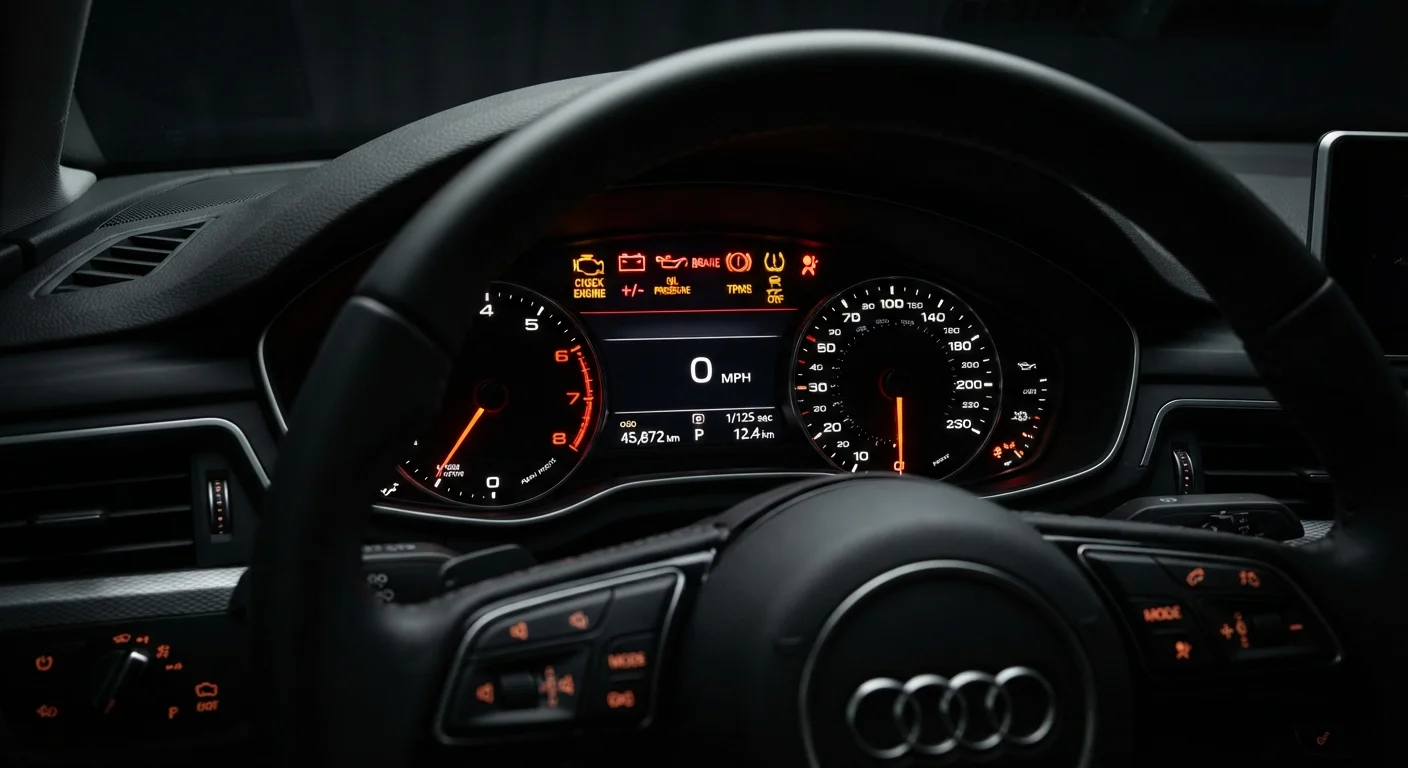
Photo credit: TheBlogZappier.com | Simple Search, Credible Results
In this article
A concise reference covering the most common dashboard warning symbols, what triggers them, and which ones require immediate attention.
How Dashboard Warning Lights Work
Modern vehicles rely on an onboard diagnostics system - commonly called OBD-II on cars built after 1996 - to continuously monitor dozens of sensors and report problems through dashboard symbols. Each light follows a rough color-coding convention that signals urgency at a glance.
| Red warning light | Stop or seek immediate service |
| Amber/yellow warning light | Service needed soon; monitor closely |
| Green/blue indicator | System active (informational only) |
| Flashing check engine light | Active engine misfire - prompt attention advised |
| OBD-II standard applies to | Most US-market vehicles built after 1996 (US EPA OBD-II mandate) |
Understanding this color logic is your first tool for triage. A red light generally signals a condition that needs immediate attention and may require you to stop driving. An amber or yellow light typically means a system needs service soon but is not an emergency. A green or blue light is informational - confirming that a feature like high beams or cruise control is active. Some vehicles also use white or gray for certain driver-assist notifications.
Keep in mind that symbol designs vary by manufacturer, so your owner's manual is always the definitive reference for your specific vehicle. This guide covers the most widely used symbols across the US market.
Common Warning Lights and What They Mean
The lights below appear on the majority of vehicles sold in the United States. Treat this as a starting point, not a substitute for your owner's manual or a professional diagnosis.
OBD-II
On-Board Diagnostics II - a standardized system in vehicles built after 1996 that monitors engine and emissions components and stores fault codes readable by a scan tool.
Fault Code (DTC)
A Diagnostic Trouble Code stored by the OBD-II system when a sensor reading falls outside acceptable parameters. Codes help mechanics identify the source of a warning light.
TPMS
Tire Pressure Monitoring System - a sensor network that alerts drivers when one or more tires drop significantly below the recommended inflation pressure.
Alternator
A generator driven by the engine that recharges the battery and powers the vehicle's electrical systems while the engine is running. A failing alternator triggers the battery warning light.
Catalytic Converter
An emissions control device in the exhaust system that converts harmful combustion byproducts into less harmful gases. Engine misfires can damage it, which is why a flashing check engine light warrants prompt attention.
Oil Pressure
The force at which engine oil is circulated through internal components. Insufficient pressure - whether from low oil level or a pump failure - can cause rapid, severe engine damage.
Check Engine (amber engine outline): One of the most misunderstood lights on any dashboard. It can be triggered by something as minor as a loose gas cap or as significant as a failing catalytic converter. A solid amber light means the issue is non-critical but should be diagnosed; a flashing check engine light often indicates a misfire that can damage the catalytic converter and warrants prompt attention. An OBD-II scan tool - available at many auto parts retailers - can read the stored fault code, giving a mechanic a head start on diagnosis. See also: our full warning lights reference for additional code context.
Oil Pressure (red oil can): This indicates low oil pressure in the engine, which can result from low oil level, a failing oil pump, or a serious internal engine issue. Stop the vehicle safely and turn off the engine as soon as possible. Driving with low oil pressure risks severe engine damage within minutes. Check the oil level with the dipstick once the engine is off - our fluid checks guide walks through the correct procedure.
Battery / Charging System (red battery outline): Signals that the vehicle's charging system is not maintaining adequate voltage. Common causes include a failing alternator, a worn drive belt, or a battery nearing the end of its life. The vehicle may continue running briefly on battery reserve, but electrical systems will begin shutting down. Head to a service facility promptly.
Coolant Temperature (red thermometer in waves): The engine is overheating. Pull over safely, turn off the engine, and do not open the radiator cap - coolant is under pressure and extremely hot. Continuing to drive risks warping the cylinder head or causing engine failure.
Brake System (red circle with exclamation or "BRAKE"): If illuminated while driving with the parking brake released, it may indicate low brake fluid or a hydraulic fault. Brake performance may be compromised. Understanding your brake system can help you recognize related warning signs before they escalate.
Tire Pressure (TPMS - amber horseshoe with exclamation): One or more tires have fallen below the recommended pressure. Check all four tires with a gauge and inflate to the specification on the driver's door jamb sticker. Persistent illumination after inflation may indicate a sensor fault or a slow puncture.
Traction Control / Stability Control (amber car with skid lines): When flashing, it simply means the system is actively working. When lit solid, it indicates the system has been disabled or has a fault - relevant on slippery roads.
When to Stop Immediately vs. When to Schedule Service
Red Light On While Driving? Act Quickly
If a red warning light illuminates while you are driving, do not assume it will resolve on its own. Turn off non-essential electrical loads, find a safe place to pull over, and turn off the engine if the light relates to oil pressure or coolant temperature. Calling a roadside assistance service is often safer than continuing to drive to a shop. Always have the vehicle inspected before resuming normal use.
As a general rule: any red warning light related to oil pressure, coolant temperature, or brake function should be treated as a reason to stop driving as soon as it is safe to do so. These systems protect the engine and your ability to control the vehicle.
Amber lights allow more flexibility but should not be ignored for extended periods. Schedule a diagnostic appointment within a week or two, or sooner if the symptom is accompanied by unusual noise, smell, or handling changes.
For a broader framework on routine upkeep - including when to book a service and what to expect - the complete car maintenance guide is a useful companion resource. First-time owners may also find everything a new driver should know about car care a helpful place to start.
This article provides general vehicle information for educational purposes. Always consult a qualified mechanic for diagnosis and repair of any warning light condition on your specific vehicle.

Author
Autos & Driving Editorial Team
Autos & Driving Editorial Team is the collective byline for our editorial team and contributor network. Articles published under this byline or an editorial pen name are researched, written, and reviewed according to our editorial standards for clarity, consistency, and independence before publication.
View all articles →