
The Fluid Checks Every Driver Should Know How to Do
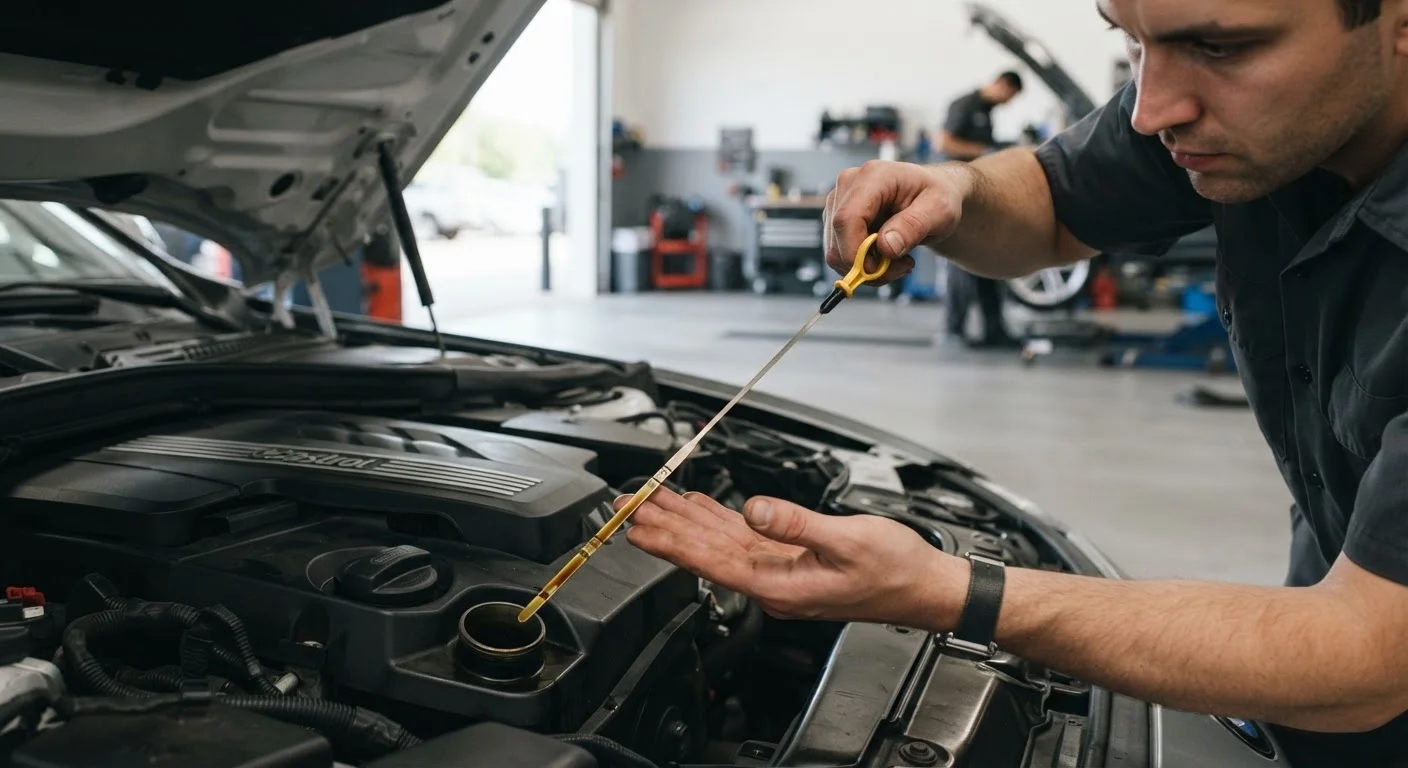
Photo credit: TheBlogZappier.com | Simple Search, Credible Results
In this article
Engine oil, coolant, brake fluid — learn which fluids to check, how to read them correctly, and how often to do it.
Key Takeaways
- Checking six key fluids regularly helps prevent breakdowns and costly mechanical failures.
- Most fluid checks require only a clean rag and your owner's manual - no special tools needed.
- Color and consistency matter as much as level when assessing fluid condition.
- Many fluid problems are silent until they become serious; proactive checks close that gap.
- Always check fluids on a level surface with the engine cold unless the manual specifies otherwise.
Why Fluid Checks Are a Core Driving Skill
Modern vehicles rely on six major fluid systems to function safely. When any one of them falls low or degrades, the consequences range from accelerated wear to outright mechanical failure - sometimes without any warning light appearing on the dashboard. Understanding how to check these fluids yourself is one of the most practical skills a driver can have.
For a broader foundation in vehicle upkeep, see our guide for new drivers. For detailed step-by-step procedures on reading each fluid correctly, How to Check Your Car's Fluid Levels Safely walks through the process fluid by fluid.
This checklist focuses on what to check and what to look for - giving you a repeatable routine you can complete in a single parking-lot visit.
Never Open a Hot Radiator or Coolant Cap
Pressurized coolant can spray at temperatures above 200°F, causing serious burns. Always wait until the engine has been off for at least two hours before touching any cooling system component. If your temperature gauge is in the red or steam is visible, pull over safely and call for assistance - do not open the hood until the engine has fully cooled.
What You'll Need
Gather the following before you begin. Most items are already in your glove box or garage.
Owner's manual
Identifies the correct fluid specifications and dipstick/reservoir locations specific to your vehicle.
Clean lint-free rag or paper towels
Used to wipe dipsticks clean before taking a reading and to handle caps without contamination.
Nitrile or latex gloves
Protects your hands from brake fluid, which is corrosive, and other chemical fluids.
Flashlight or phone torch
Helps you see fluid levels clearly in dimly lit engine bays or on translucent reservoirs.
Funnel
Prevents spills when topping off any fluid reservoir.
The Complete Fluid Check Checklist
Work through each group in order. Checking fluids when the engine is cold - typically after the car has sat for at least two hours - gives you the most accurate readings for most systems. Exceptions are noted within each item.
Engine Oil
Engine Coolant (Antifreeze)
Brake Fluid
Power Steering Fluid
Windshield Washer Fluid
Transmission Fluid
Low Brake Fluid Requires Immediate Attention
Unlike other fluids, brake fluid that drops to or below the MIN line is a potential safety emergency. A sudden drop - rather than a gradual one - may indicate a hydraulic leak in the braking system. Do not simply top off the reservoir and continue driving if you cannot identify a cause. Have the vehicle inspected by a qualified mechanic before operating it at highway speeds.
Noticed a puddle or stain under your vehicle? Fluid Leaks Under Your Car: Reading the Clues explains how to identify common leaks by color and location.
How Often Should You Run This Checklist?
A good rule of thumb is to check all fluids once a month and before any road trip longer than a few hours. Engine oil deserves attention most frequently - many mechanics recommend a quick dipstick check every other fuel fill-up. Brake fluid and coolant are more stable but should still be assessed at least every three months or whenever a dashboard warning light appears.
Fluid intervals also intersect with your broader service schedule. Routine Car Maintenance: What to Do and When provides a full calendar of service milestones, including when professional fluid flushes are typically recommended.
This article is for general informational purposes. Always consult a qualified mechanic before performing repairs or if you have concerns about your vehicle's safety systems.

Author
Autos & Driving Editorial Team
Autos & Driving Editorial Team is the collective byline for our editorial team and contributor network. Articles published under this byline or an editorial pen name are researched, written, and reviewed according to our editorial standards for clarity, consistency, and independence before publication.
View all articles →