
Routine Car Maintenance: What to Do and When
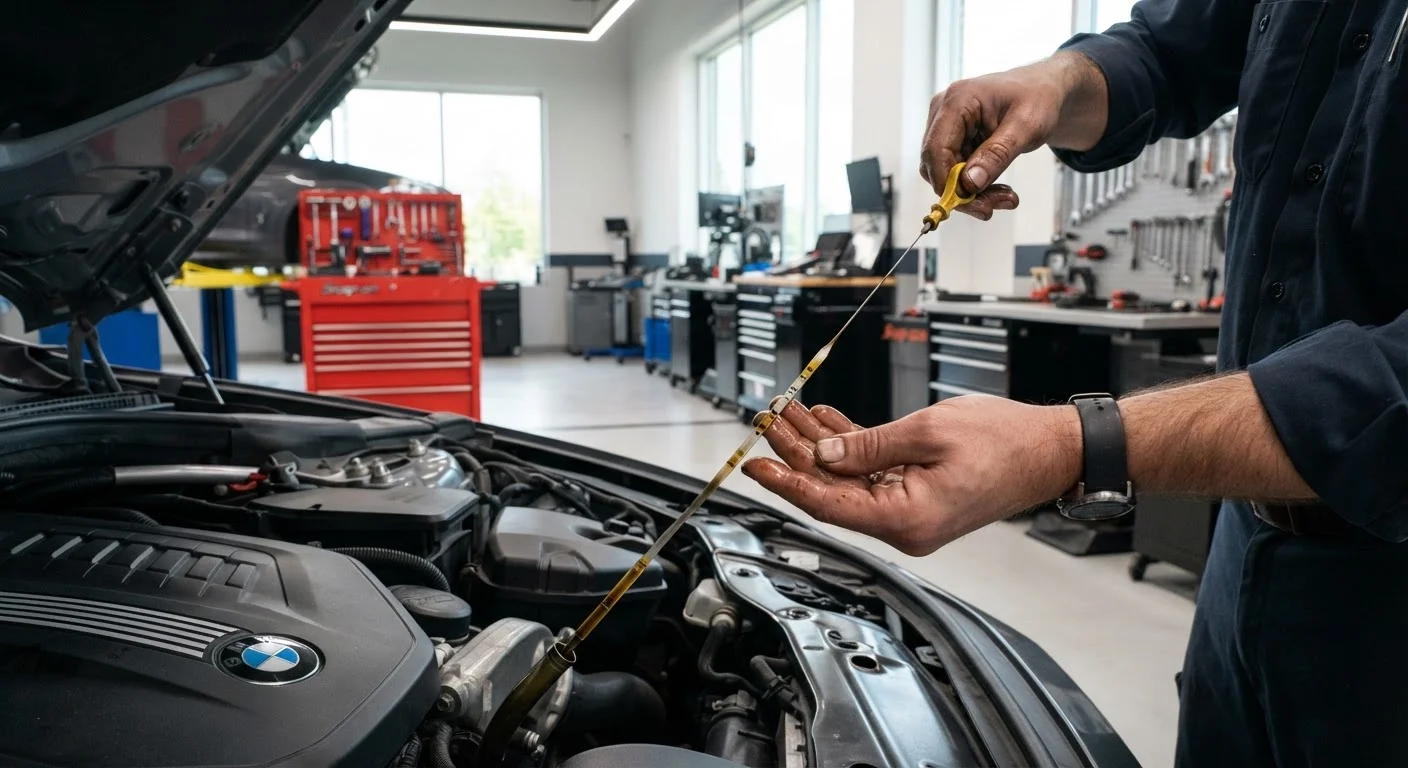
Photo credit: TheBlogZappier.com | Simple Search, Credible Results
In this article
Oil changes, tyre rotations, brake inspections — a practical reference for staying on top of your vehicle's maintenance schedule.
Key Takeaways
- Most routine maintenance intervals are defined in your vehicle's owner's manual - always start there.
- Skipping small services like oil changes can escalate into expensive engine or drivetrain repairs.
- Tyre pressure, fluid levels, and lights can be checked by most drivers at home with minimal tools.
- Service intervals vary by driving conditions - city stop-and-go driving is harder on a vehicle than highway miles.
- Keeping a maintenance log protects resale value and helps identify recurring problems early.
Why a Maintenance Schedule Matters
A car is a depreciating asset with predictable wear patterns. Most mechanical failures don't happen without warning - they happen because gradual wear goes unaddressed until something breaks. Following a routine maintenance schedule is the single most effective way to extend a vehicle's useful life and catch developing problems before they become expensive ones.
Maintenance intervals are expressed in one of two ways: by time (every 6 months) or by mileage (every 5,000 miles), whichever comes first. Both matter because even a low-mileage vehicle that sits idle experiences fluid degradation, rubber deterioration, and battery drain. For a deeper look at how these intervals are structured and why they vary between vehicles, see Your Car's Maintenance Schedule, Explained.
The checklist below organizes tasks by frequency - from checks you should do monthly to services that fall due every few years. Use it alongside your owner's manual, which remains the authoritative source for your specific make and model.
Always Consult Your Owner's Manual First
The intervals in this checklist reflect general industry guidance and are not a substitute for your vehicle manufacturer's specifications. Intervals vary significantly between makes, models, engine types, and driving conditions. Using the wrong oil grade, skipping a manufacturer-required service, or performing a task incorrectly can void a warranty or cause mechanical damage. When in doubt, have the work done by a qualified technician.
What Tools You'll Need
Several routine checks are straightforward enough for most drivers to handle at home. Others require specialized equipment or professional lift access. The tools listed below cover the home-serviceable tasks in this checklist. For a balanced breakdown of what's reasonable to DIY versus what calls for a shop visit, see DIY Car Maintenance vs. Taking It to a Mechanic.
Tyre Pressure Gauge
Used to measure tyre inflation accurately; a digital gauge offers more reliable readings than a pencil-style gauge.
Oil Dipstick (vehicle-specific)
Built into your engine; used to check oil level and assess oil condition between changes.
Flashlight or Work Light
Illuminates dark engine bay areas and helps with visual inspections of tyres, brake components, and hoses.
Funnel and Fluid Containers
Needed for safely topping up engine oil, coolant, washer fluid, and brake fluid without spills.
Battery Tester or Multimeter
Used to check battery voltage; a reading below 12.4V at rest suggests the battery may need attention.
Tread Depth Gauge
Provides precise tyre tread depth measurement; many states require a minimum of 2/32 inch for legal road use.
The Routine Maintenance Checklist
Work through these grouped tasks at each relevant interval. Items marked must are non-negotiable for safe, legal vehicle operation. Items marked should are strongly recommended and protect long-term reliability. Nice-to-have items extend vehicle life and comfort but can be deferred briefly if needed.
If your dashboard shows an unexpected warning light before any of these intervals arrive, don't wait - address it promptly. Dashboard Warning Lights and What Each One Is Telling You provides a practical reference for decoding common symbols.
Monthly Checks
Every 3,000-5,000 Miles (or Every 6 Months)
Every 12 Months or 12,000-15,000 Miles
Every 2-3 Years or 30,000 Miles
Keeping Records and Protecting Resale Value
Every service you complete - whether at a dealership, independent shop, or in your driveway - should be documented. A maintenance log that includes the date, mileage, task performed, and parts used is a tangible asset when it comes time to sell. Prospective buyers and dealers use service history to assess a vehicle's condition and adjust offers accordingly. What Vehicle Maintenance Records Actually Tell You explains exactly what these documents signal.
Staying current with maintenance also supports the financial side of ownership. Predictable service costs are far easier to budget for than emergency repairs. For practical approaches to managing those ongoing costs, see Smart Habits for Managing the Ongoing Costs of a Vehicle.
Fluid Leaks Require Immediate Attention
If you notice a puddle or stain under your parked vehicle, do not wait for your next scheduled service. Fluid leaks can indicate a failing seal, damaged hose, or brake line issue - any of which can compromise vehicle safety quickly. Fluid Leaks Under Your Car: Reading the Clues explains how to identify common leaks by colour and location.

Author
Autos & Driving Editorial Team
Autos & Driving Editorial Team is the collective byline for our editorial team and contributor network. Articles published under this byline or an editorial pen name are researched, written, and reviewed according to our editorial standards for clarity, consistency, and independence before publication.
View all articles →