
DIY Car Maintenance vs. Taking It to a Mechanic
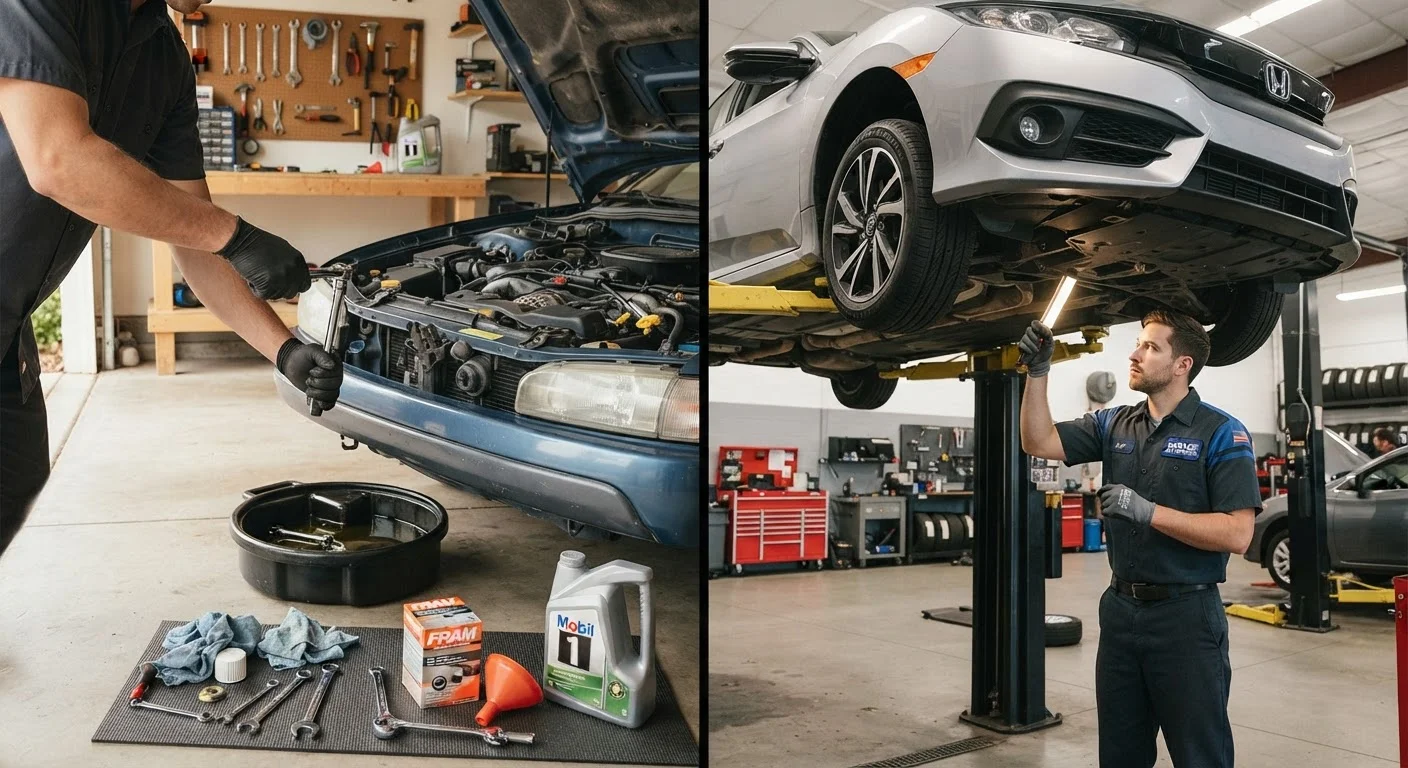
Photo credit: TheBlogZappier.com | Simple Search, Credible Results
In this article
Which tasks are reasonable for drivers to handle at home, and which ones genuinely call for a qualified mechanic? A balanced breakdown.
Key Takeaways
- Simple tasks like checking fluids, replacing air filters, and swapping wiper blades are generally safe for home completion.
- Brake, suspension, and electrical repairs carry safety risks that typically warrant a qualified mechanic.
- DIY maintenance can reduce costs but requires the right tools, workspace, and accurate knowledge of your specific vehicle.
- Always consult your owner's manual to understand service intervals and manufacturer specifications before attempting any task.
- Mistakes on safety-critical systems can increase repair costs and create genuine road hazards.
The Case for Doing It Yourself
A meaningful subset of routine car maintenance tasks can be completed at home with modest mechanical ability, basic tools, and careful attention to your owner's manual. For drivers who invest the time to learn correctly, these tasks can help reduce service costs and build a clearer understanding of how their vehicle works.
Tasks commonly considered DIY-friendly include:
- Engine air filter replacement - typically involves unclipping a housing and swapping the filter; no specialized tools required.
- Windshield wiper blades - straightforward clip-in replacement, usually covered in the owner's manual.
- Checking and topping off fluids - coolant, washer fluid, and power steering fluid levels can be monitored and topped up by most drivers.
- Cabin air filter replacement - often accessible behind the glove box without tools.
- Battery terminal cleaning - removing corrosion with appropriate protective gear is manageable, though battery replacement itself warrants care.
See our practical maintenance reference for a fuller breakdown of what these tasks involve and when to schedule them. Understanding your vehicle's full service calendar - covered in detail at Your Car's Maintenance Schedule, Explained - helps you identify which intervals are realistic at home versus which need professional attention.
Start With Low-Stakes Tasks
If you're new to DIY maintenance, begin with the simplest, lowest-risk jobs - like replacing a cabin air filter or checking tire pressure - before moving to more involved work. Building familiarity with your vehicle incrementally is safer than tackling complex tasks without prior experience. Always have the owner's manual open and verify each step before proceeding.
When a Mechanic Is the Right Call
Some systems are too complex, too safety-critical, or too dependent on specialized diagnostic equipment to be responsibly handled without professional training. Attempting these without the right background can result in incomplete repairs, component damage, or serious safety hazards on the road.
Tasks that generally call for a qualified mechanic include:
- Brake system repairs - replacing pads is sometimes listed as a DIY task, but brake caliper, rotor, and line work involve hydraulic systems where errors can cause brake failure. Our guide to brake system basics explains the components and warning signs to watch for.
- Suspension and steering components - alignment, control arms, struts, and tie rods require specialized equipment and precise calibration. Misalignment affects both handling and tire wear.
- Transmission service - fluid changes on some vehicles are accessible, but internal transmission repairs are complex and expensive to redo if done incorrectly.
- Electrical and computer diagnostics - modern vehicles rely on interconnected control modules; reading fault codes with a basic OBD-II scanner is achievable, but interpreting and resolving underlying faults usually requires professional tools.
- Timing belt or chain replacement - a critical engine component; incorrect installation can cause catastrophic engine damage.
Don't Underestimate Safety-Critical Systems
Brakes, steering, and suspension components directly affect your ability to control the vehicle. An improperly installed brake component or misaligned steering part can fail without warning at highway speeds. If you have any doubt about your ability to complete a safety-related repair correctly, the safest choice is to have it inspected and performed by a qualified technician.
If your vehicle is under a manufacturer's warranty, verify whether self-performed maintenance could affect coverage terms. Always keep receipts and records regardless of who performs the work.
Comparing the Two Approaches
The table below summarizes how DIY and professional service stack up across the factors most relevant to everyday drivers.
| DIY at Home | Professional Mechanic | |
|---|---|---|
| Typical cost | Parts cost only; no labor fees | Parts plus labor; rates vary by region |
| Skill requirement | Low to moderate for simple tasks | Trained and certified for all tasks |
| Tools needed | Basic to intermediate; owner must supply | Specialized equipment available on-site |
| Safety-critical repairs | High risk without proper training | Appropriate - trained for these systems |
| Diagnostic capability | Basic OBD-II scanning only | Full diagnostic systems and software |
| Warranty implications | May affect coverage if not documented | Typically preserves warranty compliance |
| Time investment | Higher - includes learning curve | Lower for the owner; shop handles it |
Cost savings from DIY work are real but not guaranteed. Labor rates vary significantly by region and shop type, and a repair that requires rework can eliminate any initial savings. For a broader view of how to keep vehicle expenses predictable, see smart habits for managing vehicle costs.
Making the Right Call for Your Situation
The practical question isn't whether DIY or professional service is universally better - it's which approach suits the specific task, your skill level, and your vehicle's needs. A few guiding principles help clarify the decision:
- Consult the owner's manual first. Manufacturer specifications for fluid types, torque values, and service intervals are vehicle-specific. Generic advice online may not apply to your make and model.
- Assess your tools honestly. Many jobs require more than a basic socket set - torque wrenches, specialty removal tools, and jack stands are commonly needed for safe work.
- Consider the cost of getting it wrong. On non-safety-critical items, a mistake is inconvenient and potentially costly. On brakes, steering, or fuel systems, it can be dangerous.
- Know when diagnostic clarity matters. If a warning light is on and you're unsure of the cause, professional diagnosis is usually worth the cost before attempting any repair.
For a comprehensive view of vehicle ownership decisions across every stage - from routine upkeep to major repairs - The Complete Guide to Car Maintenance is a useful reference to bookmark.
This article is for general informational purposes only. Always follow your vehicle manufacturer's guidance and consult a qualified mechanic before performing any repair you are uncertain about.

Author
Autos & Driving Editorial Team
Autos & Driving Editorial Team is the collective byline for our editorial team and contributor network. Articles published under this byline or an editorial pen name are researched, written, and reviewed according to our editorial standards for clarity, consistency, and independence before publication.
View all articles →