
The Complete Guide to Car Maintenance
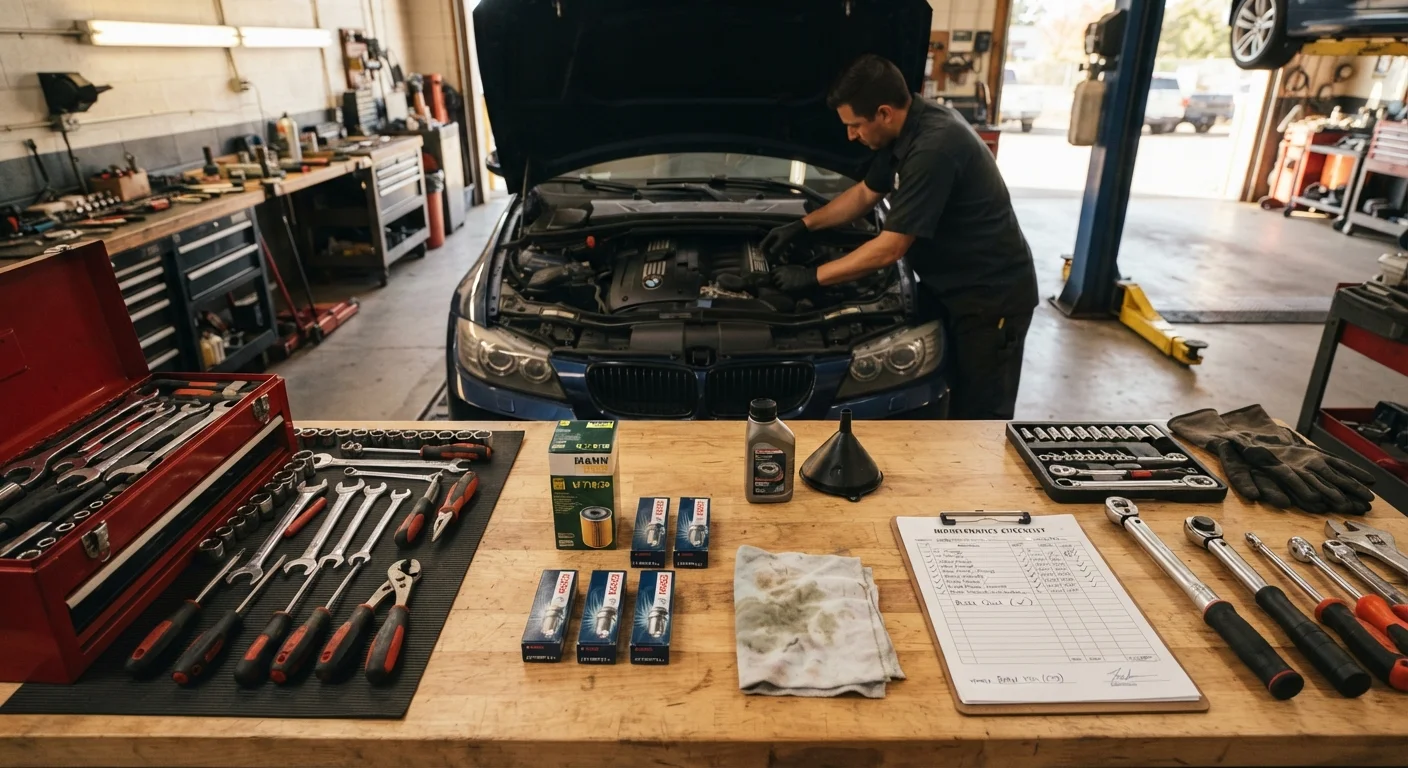
Photo credit: TheBlogZappier.com | Simple Search, Credible Results
In this article
A comprehensive, end-to-end resource covering everything from routine checks to major service milestones, written for everyday drivers.
Key Takeaways
- Following your owner's manual service intervals is more reliable than generic mileage rules.
- Many common checks - tire pressure, fluid levels, lights - take under five minutes and require no tools.
- Ignoring small warning signs often leads to larger, more expensive repairs.
- A documented service history adds measurable value when selling or trading in your vehicle.
- Seasonal conditions affect maintenance needs; adjust your routine accordingly throughout the year.
Why Routine Maintenance Matters
A modern vehicle is a complex system of interdependent components. When one part degrades - a worn belt, low coolant, deteriorating brake pads - it places stress on surrounding systems. Routine maintenance interrupts that chain before failures compound.
Beyond reliability, upkeep has a direct financial dimension. Research consistently shows that vehicles with documented service histories retain higher resale values and are less likely to suffer the kind of catastrophic failures that result in repair bills far exceeding what prevention would have cost. As part of the broader picture of vehicle ownership, maintenance sits at the center - explored further in our guide to managing every stage of auto ownership.
$1,200+
Average annual vehicle maintenance cost
AAA's annual Your Driving Costs study estimates average maintenance and repair costs for a typical new vehicle in the US.
15-20%
Resale value premium for documented service history
Industry appraisal guidelines consistently reflect higher valuations for vehicles with verifiable maintenance records at point of sale.
35%
Of roadside breakdowns are tire-related
According to roadside assistance industry data, tire failures - blowouts, flats, and low pressure - remain among the leading causes of unplanned stops.
Monthly and Ongoing Checks
Several checks require no tools and minimal time but have an outsized impact on safety and longevity. Incorporate these into your routine at least once a month, or before any long trip.
- Tire pressure: Check cold pressure (before driving) against the placard inside your driver's door jamb - not the number printed on the tire sidewall, which is a maximum, not a target.
- Engine oil level: Pull the dipstick, wipe it clean, reinsert, and check the level. Low oil accelerates engine wear significantly.
- Coolant reservoir: Inspect the level visually against the MIN/MAX markings on the translucent tank. Never open a hot radiator cap.
- Windshield washer fluid: A safety item often overlooked until it runs out at exactly the wrong moment.
- Lights: Walk around the vehicle to confirm headlights, brake lights, turn signals, and reverse lights are functioning.
Build a Simple Monthly Habit
Set a recurring calendar reminder on the first of each month for a 10-minute walk-around inspection. Check tire pressure, fluid levels, and exterior lights. Catching a slow leak or a burned-out bulb early costs almost nothing; discovering it during a traffic stop or a breakdown costs considerably more.
Tire condition warrants a closer look every month. Check tread depth using the quarter test - insert a quarter into the tread groove with Washington's head pointing down; if you can see the top of the head, tread depth is critically low. Also inspect sidewalls for bulges or cracking.
Scheduled Service Milestones
Your owner's manual contains a manufacturer-defined maintenance schedule tailored to your specific engine, transmission, and drivetrain. This schedule - not generic internet rules - should be your primary reference. That said, the following milestones appear across most passenger vehicles.
Every 5,000-10,000 Miles
Oil and oil filter changes are the most frequent scheduled task. Modern synthetic oils typically allow longer intervals than older conventional formulations, but the correct interval depends on your engine and driving conditions. Tire rotation also falls in this window, promoting even tread wear across all four tires.
Every 15,000-30,000 Miles
Air filter replacement, cabin air filter replacement, brake fluid inspection, and battery condition checks. These items are often upsold at quick-lube shops - knowing when they're genuinely due prevents unnecessary spending.
Every 60,000-100,000 Miles
Spark plug replacement (for gasoline engines), timing belt or timing chain inspection, transmission fluid service, and coolant flush are common milestones in this range. Neglecting a timing belt replacement on an interference engine - where the pistons and valves occupy the same space - can result in engine damage if the belt fails.
Never Skip a Timing Belt Replacement
On interference engines - common in many compact and midsize vehicles - a broken timing belt can cause the pistons to contact the valves, resulting in catastrophic and typically irreparable engine damage. Check your owner's manual for the replacement interval (often between 60,000 and 100,000 miles) and treat it as a hard deadline, not a suggestion.
For drivers in regions with harsh winters, summer heat extremes, or heavy towing, some intervals shorten. See our seasonal car maintenance guide for condition-specific adjustments.
Warning Signs You Shouldn't Ignore
Dashboard warning lights are engineered to communicate specific faults. An illuminated check engine light, for example, triggers when the onboard diagnostics system (OBD-II) detects a fault code - it doesn't mean your engine is about to fail, but it does mean a qualified technician should read the code and assess it promptly.
- Oil pressure warning: Stop driving as soon as safely possible. Continued operation risks severe engine damage.
- Temperature gauge in the red: Pull over and allow the engine to cool. Overheating can warp cylinder heads.
- Brake warning light: Could indicate low brake fluid, worn pads, or an ABS (antilock braking system) fault. Have brakes inspected before continued driving.
- Unusual noises: Grinding when braking, knocking under acceleration, or whining from the steering system all indicate mechanical wear that worsens with delay.
When a dashboard warning light comes on, note exactly what you were doing - speed, load, temperature - and tell your technician. That context often narrows the diagnosis significantly.
Diagnostic codes identify a fault category, but the circumstances surrounding the fault help a technician isolate the root cause faster, potentially reducing diagnostic labor costs.
Schedule your next service appointment before you leave the shop from your current one. It's easier to reschedule than to remember to book from scratch months later.
Deferred maintenance is the most common reason routine service intervals are missed; a pre-booked appointment removes the friction of rescheduling.
DIY vs. Professional Service
Some maintenance tasks are straightforward for a motivated owner with basic tools: replacing windshield wipers, swapping cabin air filters, topping off fluids, and checking tire pressure. These carry low risk and build familiarity with your vehicle.
Other tasks carry meaningful safety implications and should be handled by a qualified mechanic: brake system work, suspension repairs, timing components, and anything involving the fuel system or high-voltage systems on hybrid and electric vehicles. Incorrect brake or steering work can directly compromise vehicle control - the cost of professional labor is modest compared to the risk of an error.
Avoid DIY Brake and Suspension Work Without Training
Brake system components - calipers, rotors, lines, and ABS modules - directly control your ability to stop the vehicle. An incorrectly installed brake part may not show a problem immediately but can fail under hard braking. Unless you have verified training and appropriate tools, entrust brake and suspension work to a certified technician.
If you're new to owning a vehicle, our guide for first-time car owners covers how to establish a service relationship with a mechanic you can trust.
Keeping Maintenance Records
A maintenance log - whether a folder of paper receipts or a dedicated app - serves two purposes. First, it helps you stay on schedule by creating a clear history of what was done and when. Second, it provides documentation that increases buyer confidence when you eventually sell the vehicle.
At minimum, record the date, mileage, service performed, and shop or technician. Many service centers provide digital records; request copies and save them. For a broader view of how maintenance fits into the full arc of vehicle ownership - from purchase to eventual retirement - see The Lifecycle of a Car.
Digital Maintenance Apps Can Help
Several smartphone apps allow you to log service records, set mileage-based reminders, and store photos of receipts. While no app replaces your owner's manual or a qualified mechanic's judgment, they make record-keeping more consistent for owners who prefer digital organization over paper files.
This article is for general informational purposes only. Always consult your vehicle's owner's manual and a qualified mechanic for guidance specific to your vehicle's make, model, and condition.

Author
Autos & Driving Editorial Team
Autos & Driving Editorial Team is the collective byline for our editorial team and contributor network. Articles published under this byline or an editorial pen name are researched, written, and reviewed according to our editorial standards for clarity, consistency, and independence before publication.
View all articles →