
Seasonal Car Maintenance: Preparing Your Vehicle for Changing Conditions
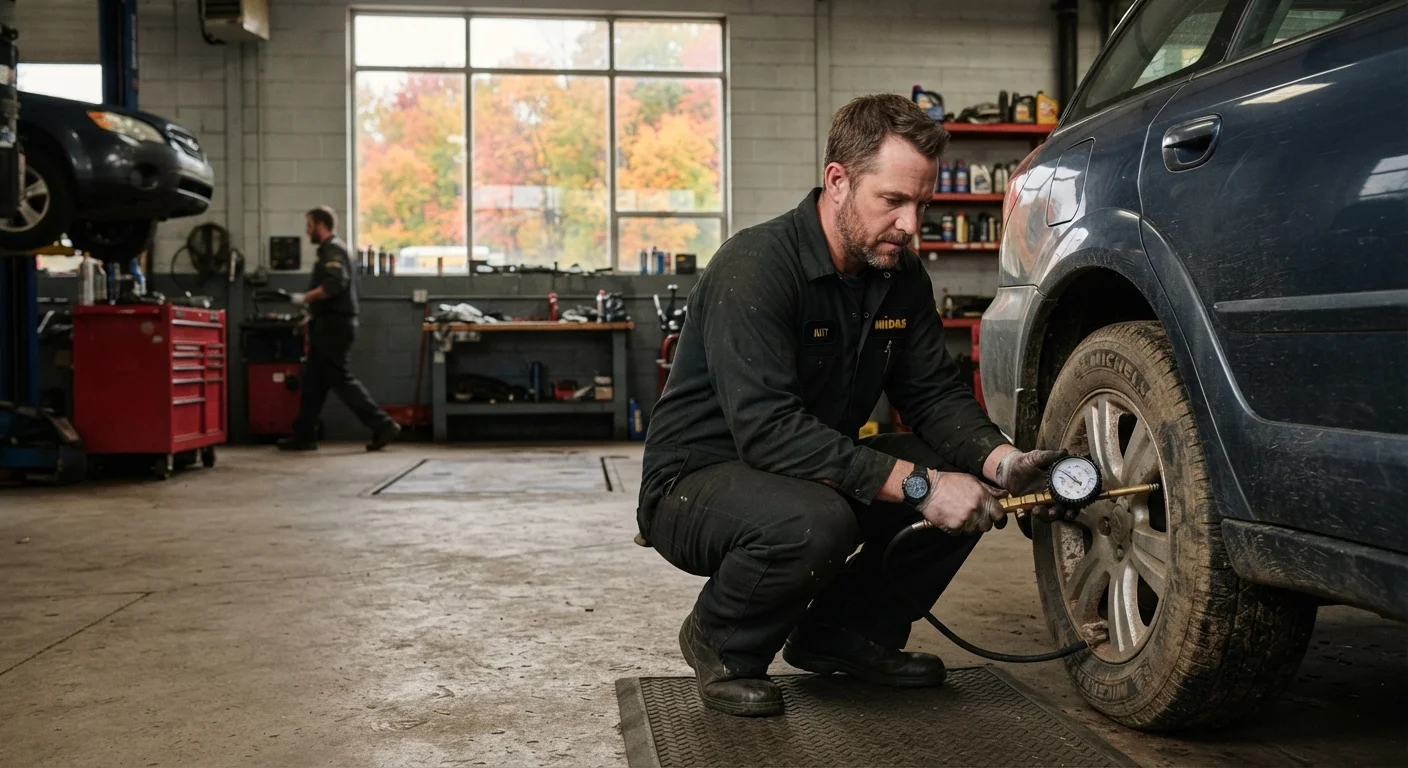
Photo credit: TheBlogZappier.com | Simple Search, Credible Results
A season-by-season checklist covering the checks and adjustments that help keep your vehicle safe and reliable year-round.
Key Takeaways
- Each season introduces distinct hazards that specific maintenance tasks directly address.
- Several checks - such as tire pressure and fluid levels - are simple enough to do yourself.
- Some items, including brake inspections and suspension checks, should be handled by a qualified mechanic.
- Keeping service records current helps you track what has been done and what is due.
- Skipping seasonal prep can accelerate component wear and increase the risk of roadside breakdowns.
Why Seasonal Maintenance Matters
Your vehicle faces a different set of stresses in January than it does in July. Temperature swings affect tire pressure, battery performance, and fluid viscosity. Wet spring roads demand responsive brakes and clear wiper blades. Summer heat puts extra load on your cooling system. Preparing proactively - rather than reacting to a breakdown - is one of the most cost-effective habits a driver can build.
This checklist is organized by season so you can work through it at the right time of year. Some items are straightforward DIY checks; others call for a professional. When in doubt about a task's complexity or safety implications, consult a qualified mechanic. For a broader look at upkeep schedules, see The Complete Guide to Car Maintenance.
Know Your DIY Limits
Many seasonal checks - such as inspecting tire pressure or topping up washer fluid - are straightforward for most drivers. However, brake system inspections, suspension checks, and cooling system pressure tests involve components where an error can compromise safety. If a task is outside your skill level or requires lifting the vehicle, have it performed by a qualified mechanic. For a step-by-step walkthrough of fluid checks you can do yourself, see how to check your car's fluid levels safely.
Tools You'll Need
Before working through any seasonal checklist, gather the basic equipment below. Having these on hand makes the process faster and reduces the chance of skipping a step.
Tire Pressure Gauge
Used to check tire inflation against the manufacturer's recommended PSI, which shifts with temperature changes.
Tread Depth Gauge
Measures remaining tire tread to determine whether tires are safe for wet or winter conditions.
Antifreeze/Coolant Tester
Checks the freeze-protection level of your coolant before cold weather arrives.
Multimeter or Battery Tester
Assesses battery voltage and load capacity, helping identify a failing battery before it leaves you stranded.
Flashlight or Headlamp
Provides visibility when inspecting the engine bay, undercarriage, or tires in low-light conditions.
Owner's Manual
Specifies your vehicle's fluid capacities, recommended grades, and service intervals - the definitive reference for all maintenance decisions.
Microfiber Cloths and Gloves
Used for safely handling dipsticks and reservoirs when checking fluid levels without contaminating fluids.
The Seasonal Checklists
Work through the group that matches your upcoming season. Many items overlap between seasons - use that repetition as a reminder that certain systems deserve attention more than once a year. For guidance on reading the manufacturer's recommended intervals, see your car's maintenance schedule, explained.
Spring Preparation
Summer Preparation
Autumn Preparation
Winter Preparation
Never Ignore a Warning Light
If a dashboard warning light - including the tire pressure monitoring system (TPMS), battery, or engine temperature indicator - illuminates during or after a seasonal check, do not dismiss it as a sensor glitch. Warning lights signal that a system requires immediate attention. Have the vehicle diagnosed by a qualified technician before continuing regular driving.
Maintaining thorough service records across all four seasons gives you - and any mechanic you work with - a clear picture of your vehicle's condition over time. Learn more about what those documents reveal in what vehicle maintenance records actually tell you.
This article is for general informational purposes only. Specific maintenance requirements vary by vehicle make, model, and climate. Always consult your owner's manual and a qualified mechanic before performing or scheduling service work.

Author
Autos & Driving Editorial Team
Autos & Driving Editorial Team is the collective byline for our editorial team and contributor network. Articles published under this byline or an editorial pen name are researched, written, and reviewed according to our editorial standards for clarity, consistency, and independence before publication.
View all articles →