
What Vehicle Maintenance Records Actually Tell You
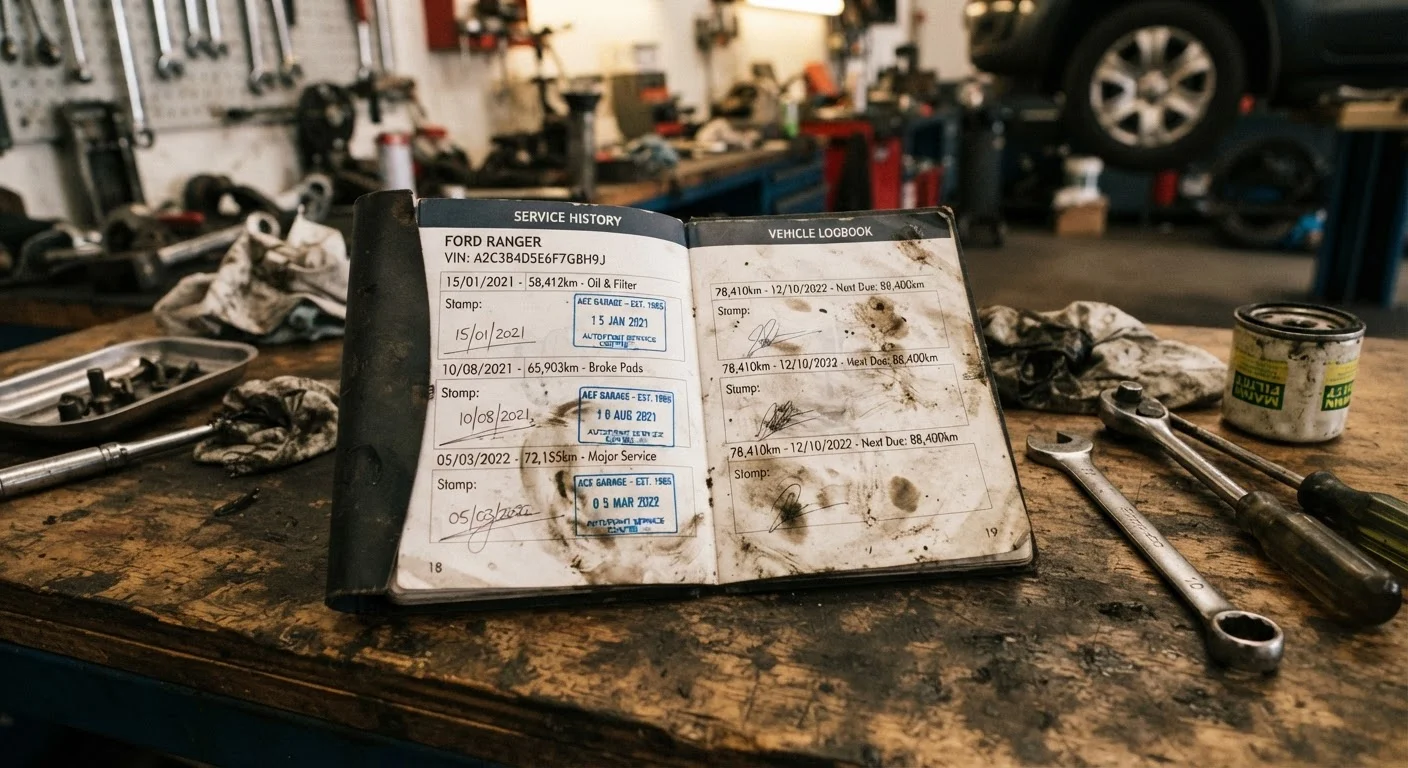
Photo credit: TheBlogZappier.com | Simple Search, Credible Results
In this article
Service history documents more than past repairs. Learn what maintenance records reveal about a car's condition and reliability.
Key Takeaways
- Maintenance records reveal consistency of care, not just what repairs were done.
- Gaps in service history can signal neglect or hidden problems worth investigating.
- Recurring repairs to the same system may indicate an unresolved underlying issue.
- Records confirm whether major scheduled services - like timing belt replacement - were completed on time.
- Used-car buyers should always request and review service documentation before purchase.
More Than a Paper Trail
A stack of service receipts might look like administrative clutter, but vehicle maintenance records are one of the most informative documents associated with any car. They reveal a pattern of ownership behavior - whether a car was serviced on schedule, where the work was done, and whether any systems have required repeated attention.
Understanding how to read these records is a practical skill for anyone buying a used vehicle, managing a fleet, or simply tracking the upkeep of their own car. As part of a broader maintenance strategy, records serve as both a reference tool and an accountability document.
~30%
Used cars sold without full service documentation
Industry estimates suggest a significant share of private used-car sales involve incomplete or absent maintenance records, increasing buyer risk.
5,000-7,500 miles
Typical modern oil change interval
Many manufacturers now recommend extended intervals for synthetic oil; consistent adherence to the specified interval is a key indicator of responsible maintenance.
What the Records Actually Contain
A thorough service record captures more than the obvious. Beyond oil changes, look for these key data points:
- Service intervals and mileage: Whether work was done on schedule tells you how seriously the previous owner followed manufacturer guidance.
- Parts replaced vs. inspected: A record that says "brakes inspected" every visit but never shows a replacement on a high-mileage vehicle warrants scrutiny.
- Who performed the work: Dealer service departments, independent certified shops, and DIY repairs carry different levels of verifiability. This isn't a judgment on quality - it's context.
- Recurring line items: If the same component appears across multiple visits, that pattern is significant. It may indicate an ongoing issue that was managed rather than resolved.
For a deeper look at how vehicle identity connects to service history, see how your VIN encodes key vehicle data.
Check Mileage Progression Across Entries
Look at the mileage recorded at each service visit and confirm it increases logically over time. Mileage that appears to go backwards, stall, or jump inconsistently may indicate record tampering or odometer concerns - both of which warrant further investigation before any purchase decision.
The Significance of Scheduled Milestones
Manufacturer maintenance schedules define specific mileage or time-based thresholds at which critical components must be serviced. The most consequential of these is the timing belt or timing chain service - skipping or delaying this can lead to catastrophic engine failure. Other milestone services include transmission fluid changes, coolant flushes, and spark plug replacement.
When reviewing records, check whether these milestones appear at the expected intervals. A car at 100,000 miles with no record of a timing belt change (on an engine that requires one) is a material concern - regardless of how otherwise clean the history looks.
Staying current on scheduled maintenance also applies across seasons. Seasonal checks are a practical complement to milestone-based servicing, addressing wear patterns tied to temperature and road conditions.
Not All Service Shows Up in History Reports
Third-party vehicle history reports compile data from contributing sources - dealerships, insurers, and some independent shops - but many independent repairs go unreported. A thin digital history doesn't necessarily mean a car was neglected; it may simply mean the work was done outside reporting networks. Physical receipts and a mechanic's inspection fill in what digital records miss.
Using Records to Inform Decisions
For used-car buyers, maintenance records reduce uncertainty - but they don't eliminate it. A well-documented history suggests responsible ownership; a thin or absent one raises questions that a physical inspection should answer. Always have a qualified mechanic inspect any used vehicle before purchase, regardless of how complete the paperwork looks.
For current owners, maintaining your own records creates a reference tool that helps you stay ahead of upcoming service needs and supports resale value. Even vehicles accumulating significant mileage benefit from this discipline - consistent documentation is one of the core habits that keep high-mileage cars reliable.
Keeping records is also straightforward. Save receipts digitally or in a dedicated folder, note DIY work with the date and mileage, and reference your owner's manual to track what's due. For a structured view of what to do and when, a routine maintenance reference provides a practical schedule to work from.
Frequently Asked Questions

Author
Autos & Driving Editorial Team
Autos & Driving Editorial Team is the collective byline for our editorial team and contributor network. Articles published under this byline or an editorial pen name are researched, written, and reviewed according to our editorial standards for clarity, consistency, and independence before publication.
View all articles →