
Key Habits That Keep High-Mileage Cars Running Well
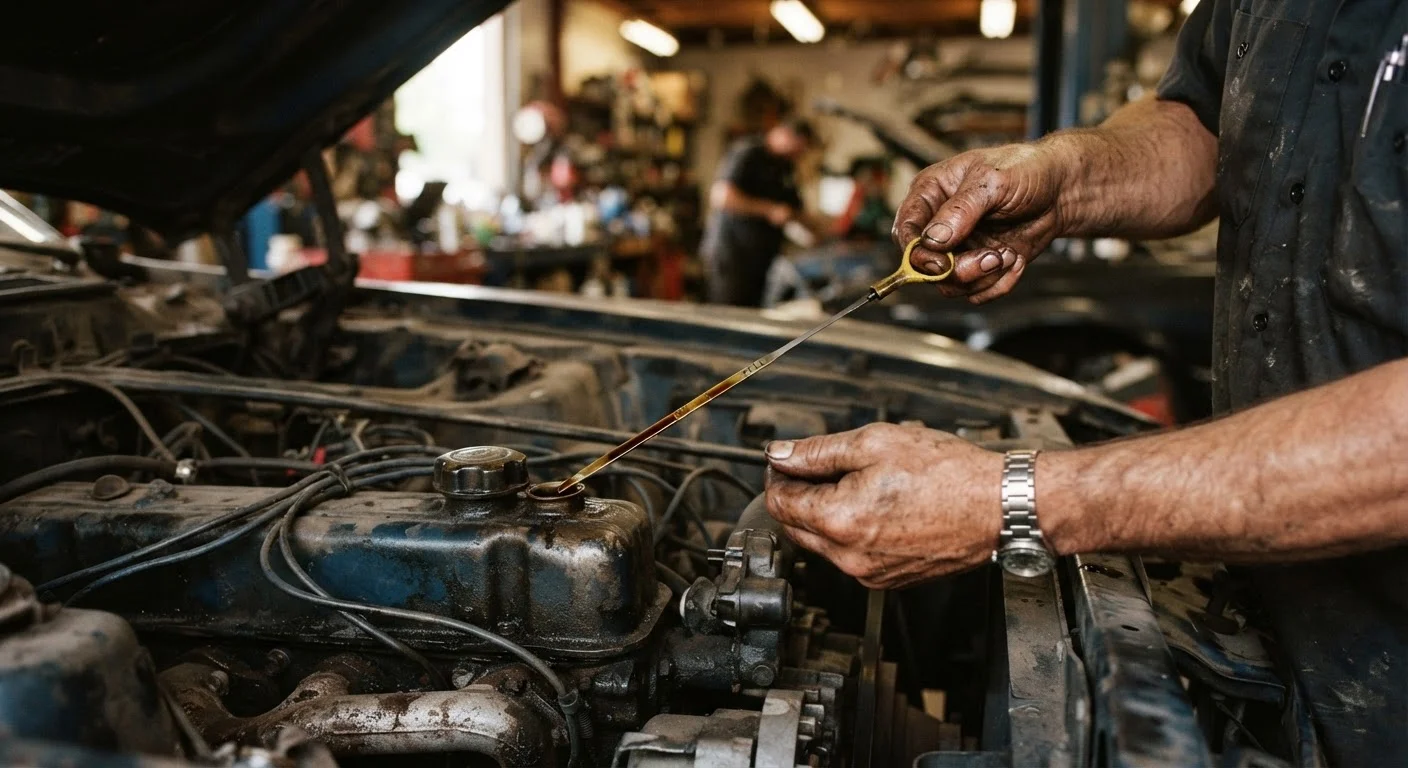
Photo credit: TheBlogZappier.com | Simple Search, Credible Results
In this article
Vehicles with significant mileage need a different maintenance focus. These practices help older cars stay roadworthy for longer.
Key Takeaways
- High-mileage vehicles benefit from more frequent fluid checks and shorter oil change intervals.
- Worn seals and gaskets are common in older engines - catching small leaks early prevents major repairs.
- A qualified mechanic's regular inspection becomes increasingly valuable as a vehicle ages.
- Predictable, gentle driving habits reduce stress on aging components significantly.
- Keeping detailed service records helps track wear patterns and plan ahead for repairs.
Why High-Mileage Cars Need a Different Approach
A vehicle that has covered 100,000 miles or more has earned its wear. Rubber seals harden, metal surfaces develop fine scoring, and clearances between moving parts widen slightly over time. None of this means the car is ready for retirement - but it does mean that the same maintenance rhythm you'd apply to a newer vehicle may no longer be sufficient.
The goal shifts from prevention to careful management. Small issues that a newer engine shrugs off can compound quickly in an older one. Understanding that distinction is the foundation of keeping a high-mileage car roadworthy. For a broader overview of ownership upkeep, see our complete guide to car maintenance.
Core Practices That Extend Engine Life
The following habits are grounded in how high-mileage engines actually behave - not aspirational advice, but practical routines that address the real wear patterns of an aging drivetrain.
Shorten your oil change interval and use oil formulated for high-mileage engines.
As engine tolerances widen with age, oil degrades faster and offers less protection between changes. High-mileage oil formulations typically contain seal conditioners that help reduce minor seepage from aging gaskets.
Check all fluid levels - coolant, brake fluid, power steering, and transmission - at least monthly.
Older vehicles are more likely to develop slow leaks that go unnoticed between scheduled services. A low coolant level, for example, can push an aging engine toward overheating well before any warning light appears.
Inspect belts and hoses on a regular schedule and replace them based on condition, not just mileage.
Rubber components - serpentine belts, radiator hoses, vacuum lines - become brittle and crack-prone with age and heat cycling. A failed belt can disable the charging system, power steering, or coolant pump simultaneously.
Drive gently during warm-up and avoid hard acceleration until the engine reaches operating temperature.
Oil viscosity - its thickness and flow characteristics - is lower when cold, which means less effective lubrication during the first minutes of operation. High-mileage engines with wider clearances are more vulnerable to this cold-start wear.
Address minor leaks promptly rather than waiting until they become significant.
A slow drip from a valve cover gasket or a rear main seal is easy to dismiss when it barely marks the driveway. But low oil levels from accumulated loss can cause serious engine damage quickly, and small leaks almost always worsen over time.
Keep up with <a href="/autos-driving/auto-ownership/routine-car-maintenance-what-to-do-and-when">routine maintenance tasks</a> like tyre rotations, brake inspections, and air filter replacements.
High-mileage focus tends to center on the engine, but chassis and safety systems age in parallel. Worn brake hardware, uneven tyre wear, and a clogged air filter all affect reliability and safety - and can stress the drivetrain indirectly.
For a side-by-side view of what not to do, our article on habits that quietly wear out a car covers the everyday mistakes that accelerate deterioration.
Quick Wins You Can Act on Today
Not every improvement requires a shop visit or significant expense. Several of the most impactful actions are straightforward checks you can do in your driveway. Consistent small efforts compound over time into measurably better reliability.
When to Stop DIY and Call a Professional
There's real value in staying hands-on with your vehicle, but high-mileage cars occasionally present symptoms that require diagnostic tools and trained judgment to interpret correctly. Unusual noises, rough idling, unexplained fluid loss, or warning lights that return after being cleared are all signals worth taking seriously.
Know the Difference: Warning vs. Urgent
Not every dashboard warning light signals an immediate emergency, but all of them warrant investigation within a reasonable timeframe. On a high-mileage vehicle, an oil pressure warning or temperature gauge spike should prompt you to pull over safely and stop driving until the cause is identified - these can escalate to serious engine damage within minutes. Other lights, such as a tire pressure monitor or a maintenance reminder, allow more time but should not be deferred indefinitely.
Routine professional inspections - not just reactive visits when something breaks - become increasingly worthwhile as mileage climbs. A mechanic familiar with your car's history can spot emerging wear before it becomes a failure. Keeping thorough service records supports this process; learn what vehicle maintenance records actually tell you about a car's true condition.
Managing the cost side of high-mileage ownership is equally important. Our guide to managing ongoing vehicle costs offers practical approaches for keeping repair spending predictable.
~12 years
Average age of vehicles on U.S. roads
According to S&P Global Mobility data, the average age of registered passenger vehicles in the United States has climbed steadily, making high-mileage maintenance increasingly relevant.
200,000+ miles
Mileage many modern engines can reach with proper care
Automotive engineers and independent mechanics consistently note that consistent fluid maintenance and timely component replacement are the primary factors separating long-lived vehicles from premature failures.

Author
Autos & Driving Editorial Team
Autos & Driving Editorial Team is the collective byline for our editorial team and contributor network. Articles published under this byline or an editorial pen name are researched, written, and reviewed according to our editorial standards for clarity, consistency, and independence before publication.
View all articles →