
Habits That Quietly Wear Out a Car Faster Than Normal Use
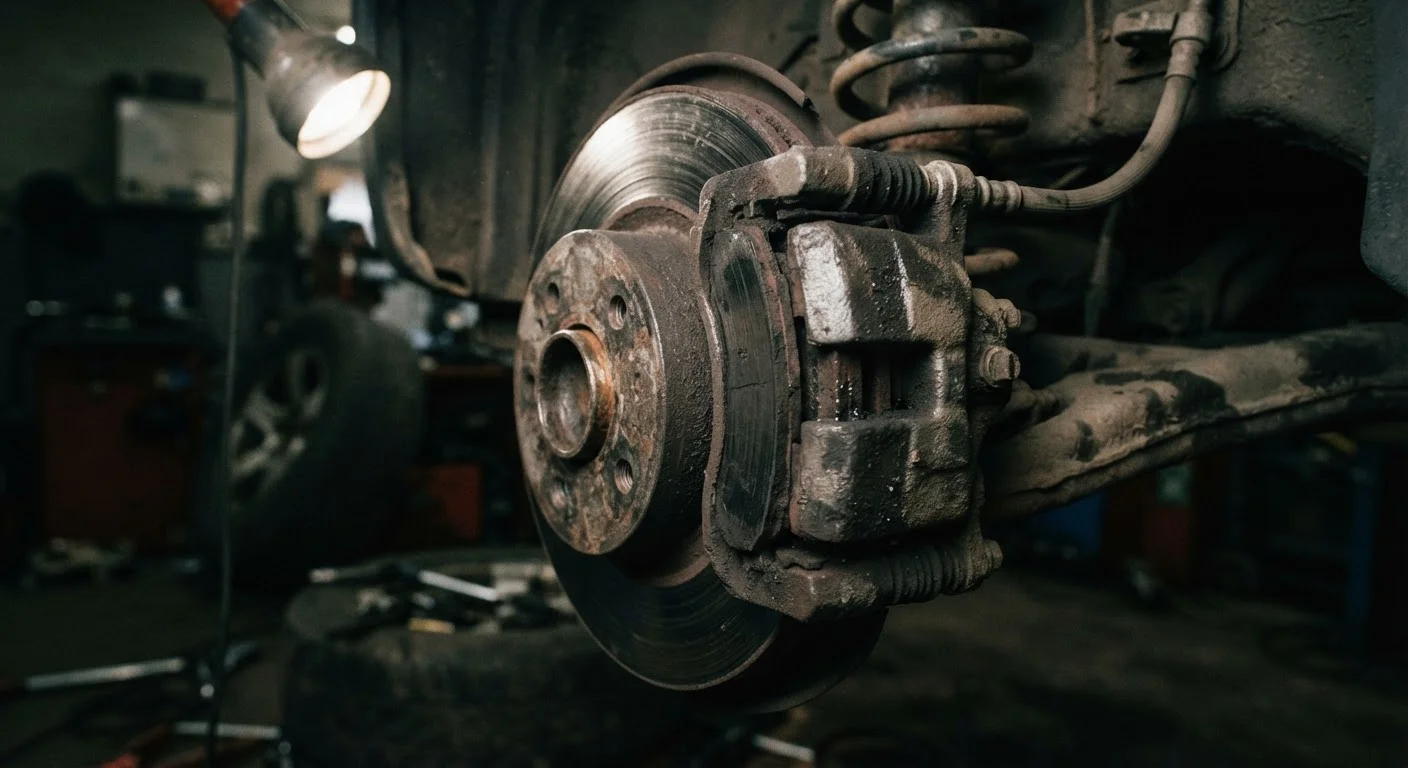
Photo credit: TheBlogZappier.com | Simple Search, Credible Results
In this article
Riding the clutch, ignoring tyre pressure, late braking — everyday driving habits that accelerate mechanical wear over time.
Key Takeaways
- Riding the clutch and late braking are two of the fastest ways to accelerate component wear.
- Tyre pressure neglect affects fuel economy, handling safety, and tread life simultaneously.
- Short trips that don't fully warm the engine can cause incremental but cumulative internal damage.
- Correcting these habits typically costs nothing and can meaningfully extend a vehicle's useful life.
Why Driving Style Matters More Than Miles
Odometer readings tell only part of the story. A vehicle with 80,000 miles driven gently and maintained consistently will often outlast one with 50,000 miles that has been subjected to harsh habits every day. The wear that matters most accumulates quietly - through recurring small stresses on brakes, tyres, the drivetrain, and the engine - long before any warning light appears.
Understanding which habits cause disproportionate wear is a core part of automotive literacy. It's also one of the most cost-effective things a driver can act on. As detailed in our overview of what car ownership actually costs, maintenance and unplanned repairs are among the largest ongoing expenses for US drivers - and driving behavior directly influences both.
Release the clutch fully between gear changes instead of riding it.
Resting your foot on the clutch pedal - even lightly - keeps the release bearing in partial contact with the pressure plate, generating constant friction heat. Over time, this degrades both the bearing and the clutch disc well ahead of their expected service life.
Brake progressively and early rather than late and hard.
Repeated hard braking converts kinetic energy into heat, which glazes brake pads, warps rotors over time, and can overheat brake fluid. Smooth, progressive braking preserves pad thickness and rotor flatness. Our brake system explainer covers exactly how this wear develops.
Check and correct tyre pressure at least once a month.
Under-inflated tyres flex excessively at the sidewall, generating heat that degrades rubber structure and causes irregular, accelerated tread wear. Over-inflation concentrates wear in the centre of the tread and reduces the contact patch, affecting grip. Neither condition is obvious to the eye at a glance. See common tyre care myths for more on pressure misconceptions.
Allow the engine to reach operating temperature before driving aggressively.
Cold engine oil is thicker and circulates more slowly, leaving metal surfaces briefly under-lubricated at startup. Short trips that end before the engine fully warms also prevent moisture from burning off inside the engine, which can contaminate oil over time.
Avoid overloading the vehicle beyond its rated payload capacity.
Excess weight stresses the suspension, struts, wheel bearings, and brakes in ways they weren't designed to handle routinely. It also causes tyres to run hotter and can alter braking distances unpredictably.
Shift automatic transmissions to Park only after coming to a complete stop.
Selecting Park while the vehicle is still rolling engages the parking pawl - a small metal pin - against the transmission output shaft under load. Repeated use of this shortcut chips and wears the pawl prematurely, potentially leading to expensive transmission repairs.
The Habits That Do the Most Damage
Most wear-inducing habits aren't reckless driving - they're routine patterns that feel harmless. Recognizing them is the first step toward changing them.
~25%
Tread life lost to chronic under-inflation
Tyre industry guidance consistently indicates that tyres running significantly below recommended pressure lose a meaningful fraction of their rated tread life due to excess sidewall flex and heat buildup.
60,000 mi
Early clutch failure from riding habit
Clutch specialists frequently cite riding the pedal as the primary reason manual transmission clutches fail well short of their potential 100,000+ mile service interval.
For drivers who have recently taken ownership of a vehicle, common first-year missteps often include several of the habits listed here - making early awareness especially valuable.
Building Better Habits Starting Today
None of the corrections below require mechanical skill or specialist tools. They require awareness and consistency. Pairing better driving habits with a structured maintenance schedule - see our guide to routine car maintenance - compounds the benefit significantly.
For drivers managing older or high-mileage vehicles, targeted habits for high-mileage cars can extend roadworthiness even further. And if you want to understand how these habits translate into real dollars, our piece on managing the ongoing costs of a vehicle offers practical financial framing.
This article is for general informational purposes only. For maintenance concerns or mechanical issues, consult a qualified mechanic.

Author
Autos & Driving Editorial Team
Autos & Driving Editorial Team is the collective byline for our editorial team and contributor network. Articles published under this byline or an editorial pen name are researched, written, and reviewed according to our editorial standards for clarity, consistency, and independence before publication.
View all articles →