
Fluid Leaks Under Your Car: Reading the Clues
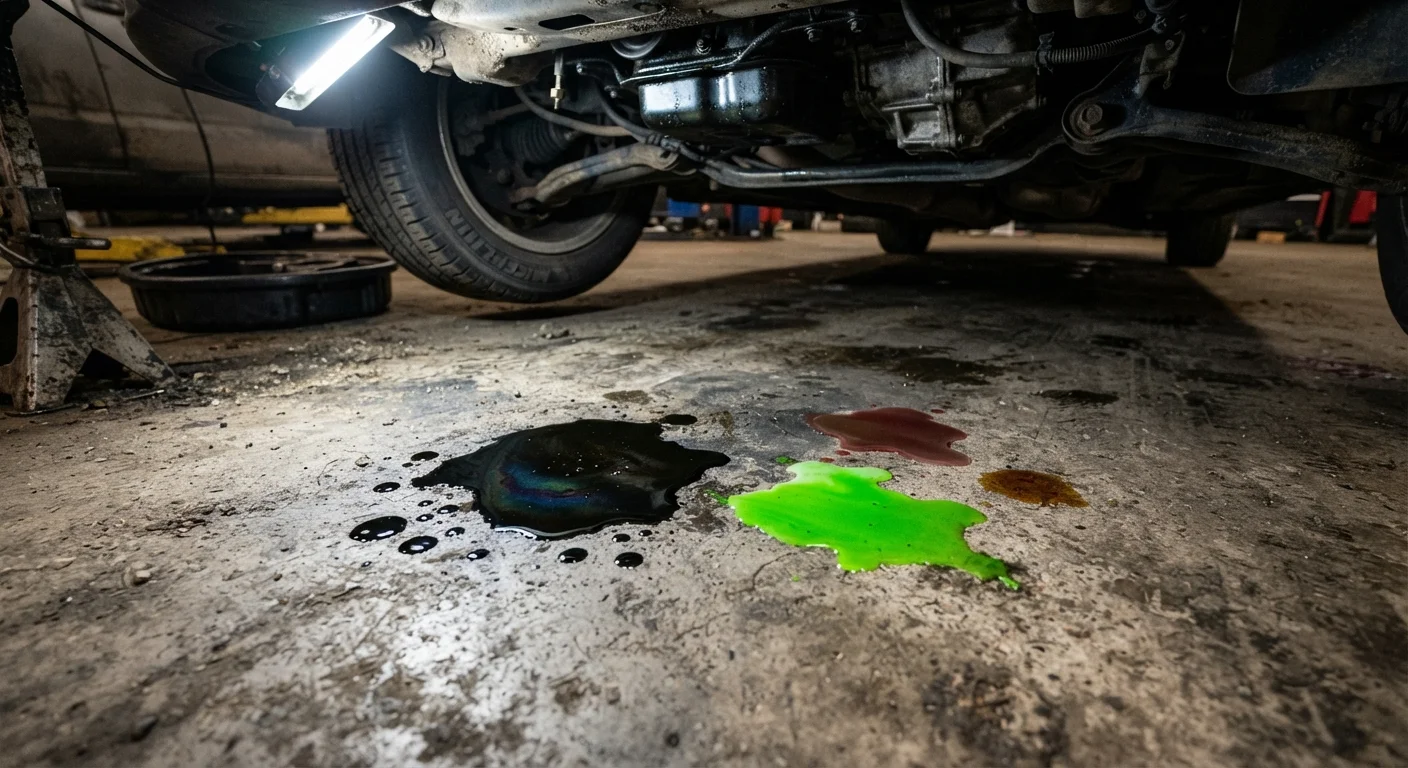
Photo credit: TheBlogZappier.com | Simple Search, Credible Results
In this article
Colour, consistency, and location help identify what's leaking. A practical reference for diagnosing common vehicle fluid leaks.
Why the Puddle Beneath Your Car Matters
A spot on the driveway isn't always cause for alarm - but it's never something to ignore. Fluid leaks are among the earliest, most visible signals that a vehicle system needs attention. The challenge is knowing which fluid you're looking at and how urgently it demands a response.
Three clues do most of the diagnostic work: color, consistency, and location under the vehicle. Together, they narrow the field from a vague concern to a specific system. This reference guide walks through the most common leaks and what each one typically indicates.
For a broader overview of how fluids fit into routine upkeep, see our ground-up guide to vehicle upkeep.
| Most urgent leak type | Brake fluid (Safety-critical - affects stopping ability) |
| Easiest to misidentify | A/C condensate (clear water) (Normal operation byproduct) |
| Color of healthy coolant | Green, orange, pink, or blue (Varies by formulation and vehicle manufacturer) |
| Engine oil color when new | Amber/golden (Darkens significantly with use) |
| Transmission fluid location | Center undercarriage (Beneath transmission housing) |
Fluid-by-Fluid Identification Guide
Use the descriptions below as a starting reference. Keep in mind that aged or contaminated fluids may look different from their factory-fresh equivalents.
Gasket
A sealing component placed between two mating surfaces in an engine or drivetrain to prevent fluid or gas leaks. Gaskets can degrade over time due to heat, pressure, and age.
Coolant
A liquid circulated through the engine to regulate temperature and prevent freezing or overheating. Often called antifreeze, it is typically mixed with water before use.
Transmission fluid
A specialized oil that lubricates and cools the components inside a vehicle's transmission, enabling smooth gear changes. Found in both automatic and manual gearboxes.
Brake master cylinder
The component that converts foot pressure on the brake pedal into hydraulic force. It is the primary reservoir for brake fluid and is located at the firewall under the hood.
Condensate
Water that collects and drips from the air conditioning system during normal operation. It is clear, odorless, and not a sign of a mechanical problem.
Engine Oil
Color: Amber when new; dark brown to black when used. Consistency: Slick, slightly viscous. Location: Beneath the engine, toward the center or front of the vehicle. An oil leak can stem from a worn gasket, a loose drain plug, or a degraded seal. Low oil pressure is serious - if your oil warning light activates, pull over safely and check levels before continuing. See what your dashboard warning lights mean.
Coolant (Antifreeze)
Color: Green, orange, pink, or blue depending on formulation. Consistency: Watery, slightly slippery. Location: Front of vehicle near the radiator, or under the engine compartment. Coolant has a faintly sweet smell. A coolant leak raises the risk of engine overheating - do not drive with a suspected coolant leak until the source is identified.
Transmission Fluid
Color: Red or reddish-brown when healthy; dark brown when degraded. Consistency: Thin, oily. Location: Toward the center of the vehicle, under the transmission housing. Transmission fluid leaks are often gradual but can accelerate shifting problems if the level drops significantly.
Brake Fluid
Color: Clear to light yellow when fresh; darker with age. Consistency: Thin and slightly oily. Location: Near the wheels or directly beneath the brake master cylinder at the firewall. A brake fluid leak is a safety-critical finding - reduced fluid can compromise braking performance. Have a qualified mechanic inspect it promptly.
Power Steering Fluid
Color: Clear, light pink, or amber. Consistency: Thin, oily. Location: Front of the vehicle, beneath the steering rack. Note: many newer vehicles use electric power steering and have no power steering fluid.
Water Condensate
Color: Clear. Consistency: Watery, no oily residue. Location: Beneath the passenger compartment or rear. Air conditioning systems produce condensate during normal operation - this is typically harmless.
When to Act and When to Wait
Not all leaks demand immediate roadside action. A general framework:
- Stop driving now: Brake fluid, coolant (if the temperature gauge is rising), or any sudden large puddle of unknown fluid.
- Schedule a mechanic visit soon: Slow oil seep, power steering fluid, or transmission fluid that is minor but recurring.
- Monitor and confirm: A single clear water puddle on a hot day after using the A/C is likely condensation and not a leak at all.
Before your appointment, check current fluid levels to give the mechanic useful baseline information. How to check your car's fluid levels safely explains what normal readings look like for each reservoir.
Recurring leaks between service intervals may also signal that your maintenance schedule needs a review - see routine car maintenance intervals for a practical reference.
Used Fluids Can Look Alike
Heavily degraded engine oil and old transmission fluid can both appear dark brown or black, making visual identification harder. Location under the vehicle is often the more reliable clue in these cases. When in doubt, have a mechanic perform a dye test or direct inspection to confirm the source.
This article is for general informational purposes only. For diagnosis and repair of vehicle fluid leaks, consult a qualified, licensed mechanic.

Author
Autos & Driving Editorial Team
Autos & Driving Editorial Team is the collective byline for our editorial team and contributor network. Articles published under this byline or an editorial pen name are researched, written, and reviewed according to our editorial standards for clarity, consistency, and independence before publication.
View all articles →