
Building a Skincare Routine from the Ground Up
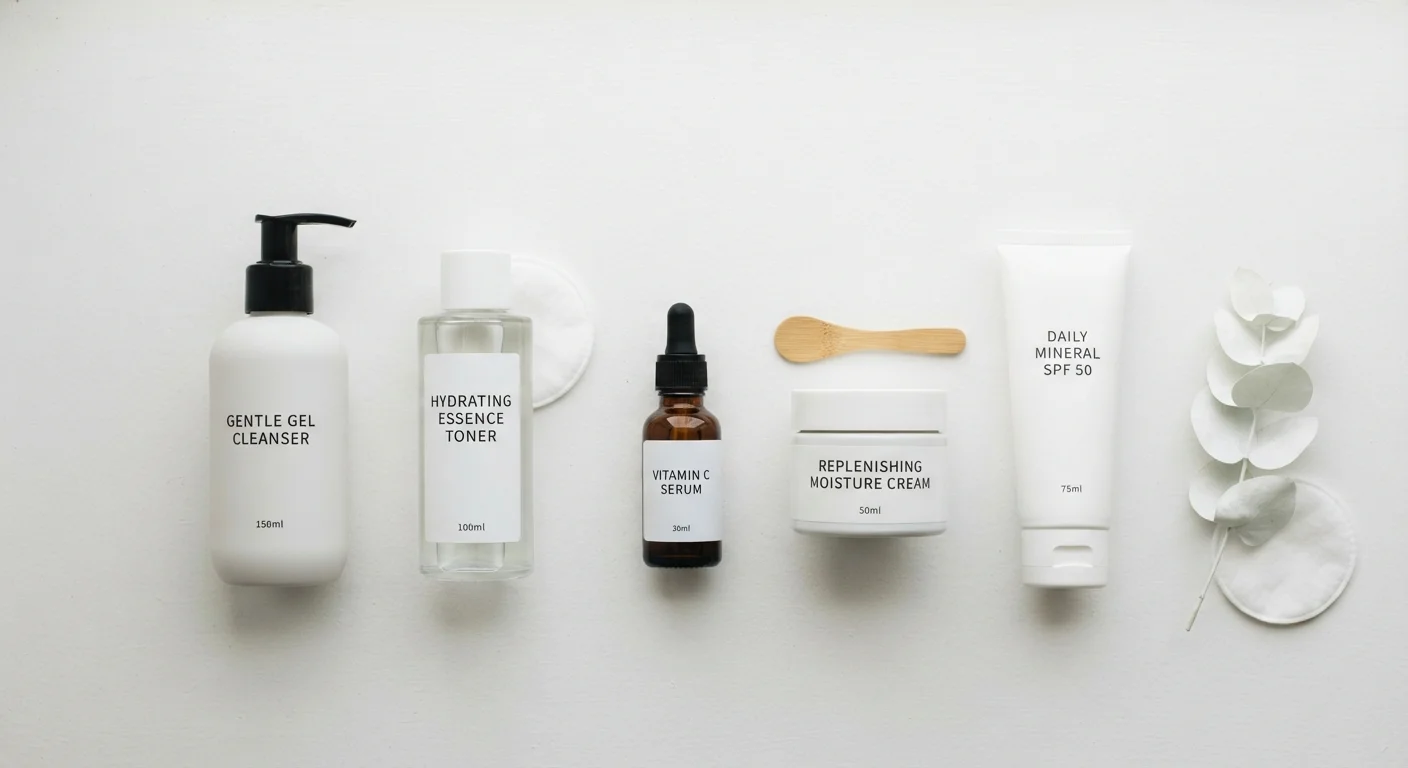
Photo credit: TheBlogZappier.com | Simple Search, Credible Results
In this article
A practical walkthrough of how to structure a daily skincare routine, from cleansing to SPF, for any skin type.
Key Takeaways
- A consistent four-step routine — cleanse, treat, moisturise, protect — works for nearly every skin type.
- Product application order directly affects how well active ingredients absorb into skin.
- SPF is the single most evidence-backed daily skincare step regardless of skin type or season.
- Start simple and add targeted steps only after your baseline routine feels stable.
- Skin type can shift with age, climate, and hormones — reassess your routine seasonally.
Why a Routine Matters More Than Individual Products
The skincare industry generates a lot of noise around individual hero products, but consistent application of a logical routine nearly always outperforms a collection of impressive-sounding ingredients applied haphazardly. Skin responds to regularity: its barrier, hydration levels, and oil production all adapt over time. A structured routine gives you a reliable baseline from which you can actually observe what is — and isn't — working.
It's also worth understanding early that product sequence is not trivial. Applying products in the wrong order can reduce how effectively active ingredients absorb, or cause certain combinations to interact poorly. Our companion piece on how layering order affects results goes deeper on the logic behind sequencing if you want to understand the mechanics.
Skin barrier
The outermost protective layer of skin that locks in moisture and keeps out irritants. A healthy barrier is central to most skincare goals.
Non-comedogenic
A term used to describe products formulated to avoid clogging pores. Commonly applied to moisturisers and SPFs recommended for oily or acne-prone skin.
Broad-spectrum SPF
A sunscreen that protects against both UVA (aging) and UVB (burning) rays. 'Broad-spectrum' on the label indicates both types are addressed.
Active ingredient
An ingredient in a skincare product that is intended to produce a specific change in the skin, such as retinol for cell turnover or niacinamide for pore appearance.
AHA / BHA
Alpha hydroxy acids (AHAs) and beta hydroxy acids (BHAs) are chemical exfoliants that dissolve the bonds holding dead skin cells together. AHAs work on the surface; BHAs penetrate into pores.
Ceramides
Lipid molecules naturally present in the skin barrier. In skincare formulations, they are used to reinforce the barrier and reduce moisture loss.
The Core Four: Steps Every Routine Should Include
Before adding serums, exfoliants, or specialty treatments, establish four non-negotiable steps:
- Cleansing. Removes dirt, excess oil, and environmental residue accumulated during the day or overnight. A gentle, non-stripping cleanser is the right starting point for almost everyone. For a broader look at how different cleansing approaches work, see our guide to cleansing methods across skincare cultures.
- Treatment (if applicable). This is where a targeted product — such as a vitamin C serum in the morning or a retinoid at night — sits. Leave this slot empty if you're just starting out; it becomes relevant once your baseline is established.
- Moisturising. Helps maintain the skin's moisture barrier, which supports overall skin function. Even oily skin typically benefits from a lightweight, non-comedogenic moisturiser.
- Sun protection (AM only). Broad-spectrum SPF applied every morning is the step with the strongest consensus across dermatological guidance. It is not optional for anyone concerned with long-term skin health, regardless of season. See our article on seasonal skincare myths for more on why SPF isn't just a summer concern.
Patch Test Before Committing
Before applying a new product to your full face, test it on a small area — such as behind the ear or inside the forearm — for 24 to 48 hours. This is especially useful for products containing active ingredients or those with a complex fragrance profile. It's a simple step that can prevent widespread irritation.
How to Match Steps to Your Skin Type
Skin type shapes which formulations within each step will work best for you — not whether you perform the step at all.
- Dry skin benefits from cream or oil-based cleansers and richer moisturisers with ingredients like ceramides or hyaluronic acid. Avoid high-alcohol toners, which can amplify dryness.
- Oily skin generally does well with foaming or gel cleansers and lightweight, water-based or gel moisturisers. Skipping moisturiser is a common mistake — dehydration can actually prompt more oil production.
- Combination skin may require a slightly different approach for different facial zones, or a balanced mid-weight moisturiser that works reasonably across areas.
- Sensitive skin responds best to fragrance-free, minimal-ingredient formulations. Introduce products one at a time to identify any triggers before layering more steps.
If your skin also interacts with makeup regularly, formulation choices at the skincare level affect how your base products sit. Our article on makeup for different skin types covers how skincare and makeup interact across different complexion concerns.
Don't Overhaul Your Routine All at Once
Introducing multiple new products simultaneously makes it nearly impossible to identify what's helping or causing a reaction. Add one new step at a time, allow at least two weeks between introductions, and keep notes on how your skin responds. This approach is especially important for sensitive or reactive skin types.
Building Out: When to Add More Steps
Once your core routine feels stable — typically after a few weeks of consistent use — you can consider adding targeted steps. Common additions include:
- Exfoliation (1–2×/week)
- Chemical exfoliants (AHAs and BHAs) help with texture, tone, and mild congestion. Physical scrubs can be effective but carry a higher risk of irritation if overused.
- Serums with active ingredients
- Vitamin C serums are commonly used in morning routines for antioxidant support; retinoids are used at night for cell turnover. Both require gradual introduction.
- Eye cream
- The skin around the eye is thinner and may respond well to a dedicated product, though a gentle regular moisturiser applied carefully can serve a similar purpose for many people.
Skin needs also shift with the seasons. Our seasonal skincare transition checklist provides a useful audit framework when humidity or temperature changes start affecting your skin's behaviour.
Skincare is ultimately a long-horizon practice. Start simple, observe carefully, and expand your routine only when you have a clear reason to do so.
This article is for general informational and educational purposes only and does not constitute medical or dermatological advice. Consult a qualified dermatologist or healthcare professional for concerns about your specific skin health.
Frequently Asked Questions

Author
Style & Beauty Editorial Team
Style & Beauty Editorial Team is the collective byline for our editorial team and contributor network. Articles published under this byline or an editorial pen name are researched, written, and reviewed according to our editorial standards for clarity, consistency, and independence before publication.
View all articles →