
A Seasonal Skincare Transition Checklist
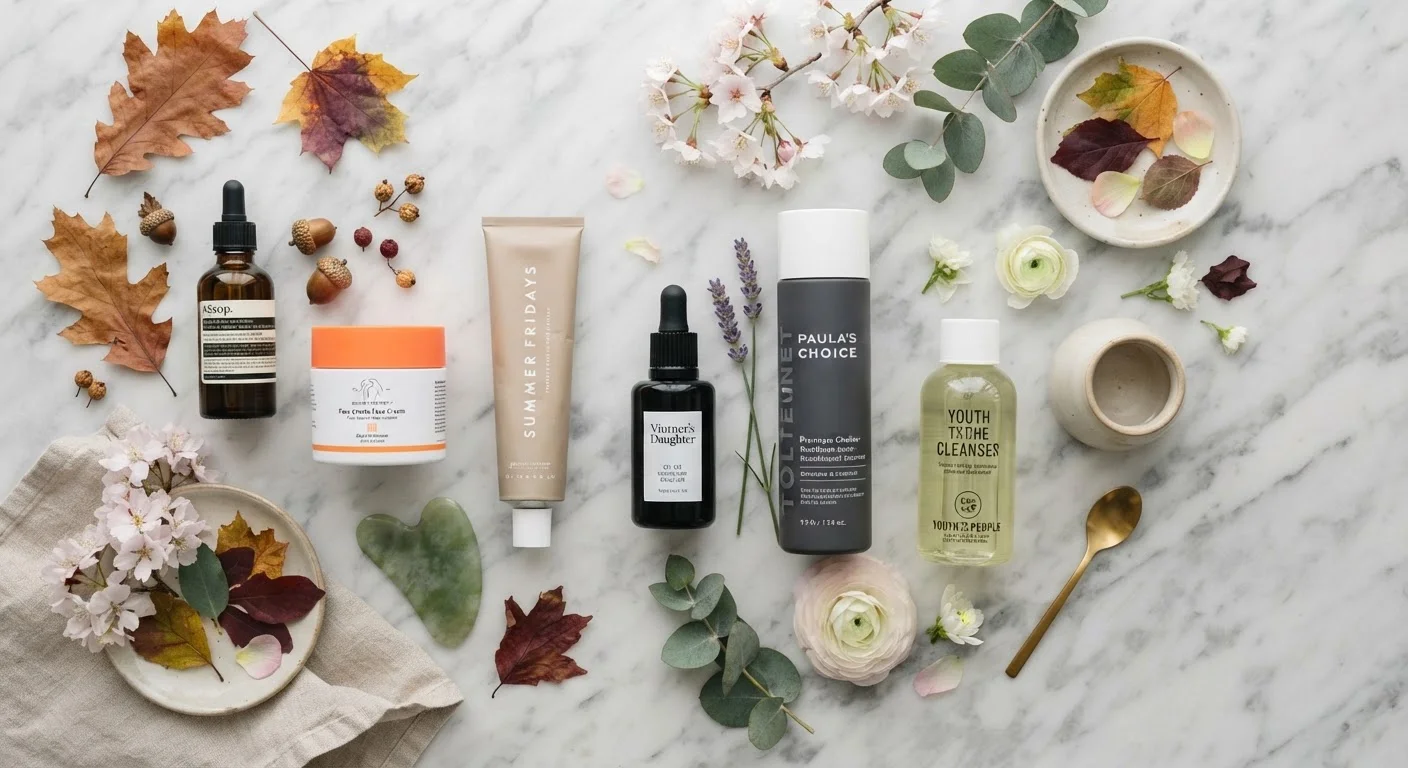
Photo credit: TheBlogZappier.com | Simple Search, Credible Results
Humidity shifts, temperature changes, and indoor heating all affect skin. Use this checklist to audit your routine as seasons change.
Key Takeaways
- Humidity, temperature, and indoor climate control all alter how skin behaves season to season.
- Not every product in your current routine needs replacing — targeted swaps are usually sufficient.
- SPF, gentle cleansing, and consistent hydration remain non-negotiable across all seasons.
- Skin type can appear to shift seasonally without actually changing — context matters.
- A structured audit prevents both under-treating and over-treating your skin during transitions.
Why Seasonal Audits Matter
Skin does not operate in a vacuum. As outdoor humidity drops in autumn, sebum production and moisture retention shift. When indoor heating runs continuously through winter, transepidermal water loss — the rate at which skin loses moisture to the air — tends to increase. Conversely, rising spring humidity can make previously comfortable products feel heavy or occlusive. These are environmental realities, not marketing concepts.
A seasonal audit is not about buying a new routine every quarter. It is about identifying which existing products are still doing their job, which need to be swapped or layered differently, and which ingredients your skin genuinely needs given the current climate. For a broader look at how cold-weather conditions specifically change your approach, see our cold-weather beauty guide. And before you audit products, it helps to clear up the myths — common seasonal skincare misconceptions are surprisingly persistent and can lead to unnecessary changes.
Use the checklist below to work through each layer of your routine systematically. The goal is confident, informed adjustment — not wholesale reinvention.
A magnifying mirror
Helps with close observation of skin texture changes, flakiness, and pore appearance during your initial assessment.
A skincare inventory list
Document all current products, including their active ingredients and how long they have been in use, so you can make informed swap decisions.
A humidity gauge (hygrometer)
Measures indoor humidity levels, which can reveal whether dry indoor air is contributing to skin tightness or dryness.
A dermatologist or skincare professional
Consult a professional if you have a diagnosed skin condition or if seasonal transitions consistently trigger significant skin reactions.
How to Use This Checklist
Work through the groups in order. Start with an honest assessment of your skin's current state before touching any products. Note that skin can appear oilier or drier than usual due to environmental factors without your underlying skin type having changed — a distinction worth keeping in mind before you overhaul your routine. If you have a chronic skin condition such as eczema, rosacea, or acne that is worsening with the season change, consult a dermatologist rather than self-managing with product swaps alone.
Do Not Over-Rotate Your Routine
Changing too many products at once during a seasonal transition makes it nearly impossible to identify the cause of any new reaction or improvement. Introduce one change at a time and allow one to two weeks before adding another swap. If irritation, persistent redness, or significant breakouts develop, pause new introductions and consult a dermatologist.
Work through the checklist groups below, checking off items that apply and flagging gaps in your current routine. Not every item will be relevant to every person — the checklist is designed to surface what you may have overlooked, not to prescribe a universal approach.
Skin Assessment
Cleanser Review
Hydration and Moisturiser
Sun Protection
Exfoliation Adjustment
Active Ingredients Check
Body and Extremities
Putting It All Together
Once you have worked through the checklist, you should have a clear picture of what stays, what swaps, and what gaps exist. Resist the urge to change everything at once — introducing multiple new products simultaneously makes it difficult to identify what is helping or causing a reaction. Introduce one change at a time, spaced at least one to two weeks apart where possible.
Seasonal transitions also affect makeup behaviour, since the same foundation or powder can perform very differently in winter versus summer humidity. Our guide on adapting makeup for different skin types covers how formulation choices interact with skin condition and environment. And if you extend your seasonal prep to other routines, seasonal nail colour trends offer another accessible starting point within the Trends & Seasons hub.
This article is for general informational purposes only and does not constitute medical or dermatological advice. If you have a skin condition or persistent concerns, consult a qualified dermatologist or healthcare professional.

Author
Style & Beauty Editorial Team
Style & Beauty Editorial Team is the collective byline for our editorial team and contributor network. Articles published under this byline or an editorial pen name are researched, written, and reviewed according to our editorial standards for clarity, consistency, and independence before publication.
View all articles →