
Cold-Weather Beauty Routines: What Actually Changes and What Stays the Same
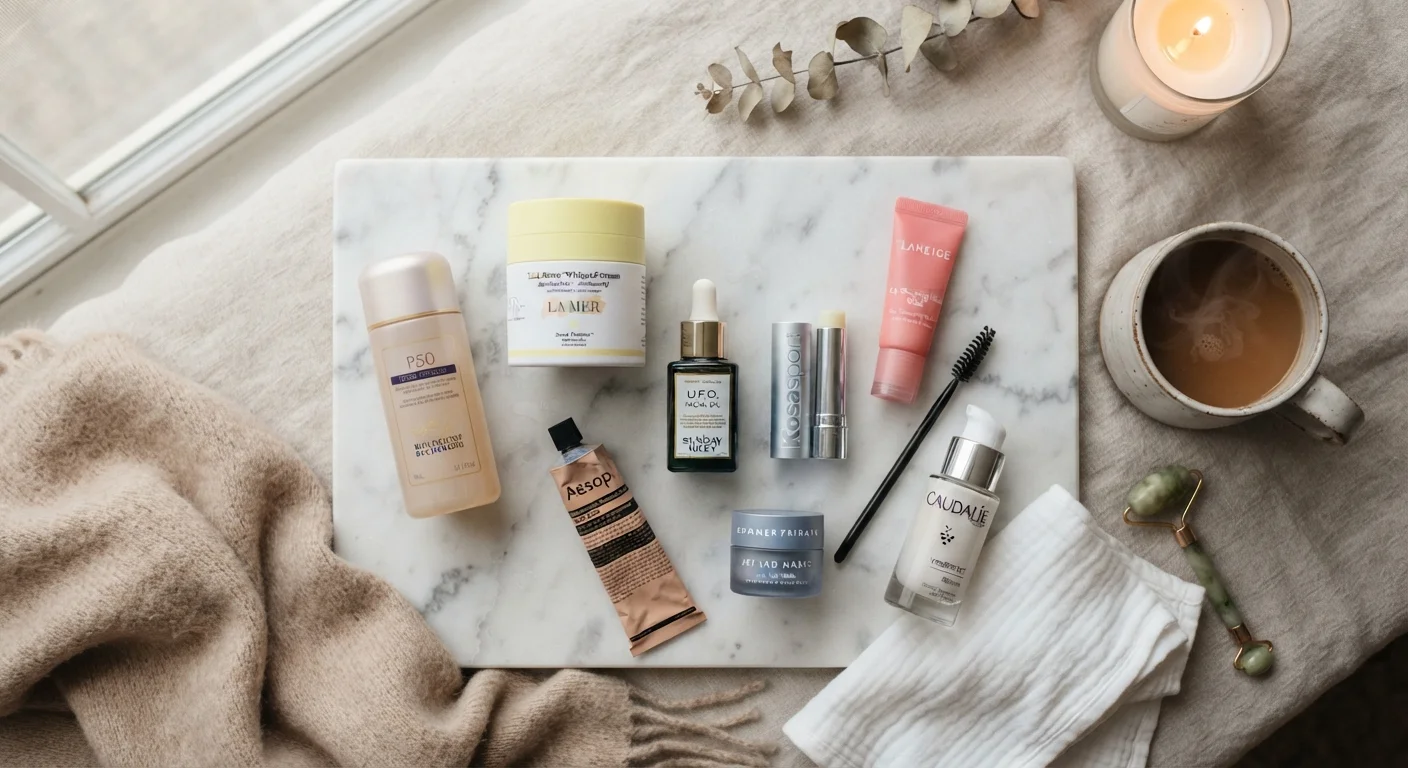
Photo credit: TheBlogZappier.com | Simple Search, Credible Results
In this article
Autumn and winter don't require a complete beauty overhaul. Find out which adjustments are worth making and why.
Key Takeaways
- Hydration needs typically increase in cold weather due to lower humidity and indoor heating.
- SPF remains essential year-round — UV exposure does not disappear in winter months.
- Skin type still determines your baseline routine; season refines it, not replaces it.
- Heavy product layering isn't always better — texture swaps often matter more than adding steps.
- Makeup application techniques may need minor adjustment as skin texture shifts seasonally.
What Cold Weather Actually Does to Skin
The shift into autumn and winter creates two compounding environmental challenges: outdoor air becomes drier and colder, while indoor heating systems pull additional humidity from interior spaces. The result is a steady increase in transepidermal water loss — the rate at which moisture escapes through the skin barrier — which can manifest as tightness, flaking, or heightened sensitivity.
Understanding this mechanism helps distinguish between adjustments that are genuinely necessary and those driven by seasonal marketing. Your skin type doesn't change with the calendar; the environmental pressure on it does. For a deeper look at which cold-weather skincare beliefs hold up, see seasonal skincare myths worth revisiting.
30–40%
Drop in indoor relative humidity from heating systems
Environmental studies suggest central heating can reduce indoor humidity levels significantly, contributing to transepidermal water loss.
80%
UV rays that penetrate cloud cover
According to the Skin Cancer Foundation, up to 80% of UV rays reach the skin even on overcast days.
The Adjustments That Are Worth Making
Certain routine changes consistently deliver real benefit in cold-weather conditions. The core principle: focus on barrier support and hydration retention rather than adding steps or products indiscriminately.
Swap lightweight moisturizers for richer, barrier-supporting formulas in winter.
Cold air holds less moisture, and indoor heating further strips humidity from the environment. A heavier emollient texture helps reinforce the skin's natural barrier and slow moisture loss throughout the day.
Maintain daily SPF application regardless of season or cloud cover.
UVA rays — the primary driver of photoaging — penetrate clouds and glass with little reduction year-round. Skipping SPF in winter is one of the most common and consequential seasonal skincare mistakes.
Reduce exfoliation frequency if your skin becomes sensitized by cold or wind.
Barrier function is more easily disrupted when skin is already contending with environmental stress. Over-exfoliating in winter can worsen redness, flaking, and sensitivity rather than resolve them.
Add a facial oil or occlusive balm as the final step in your evening routine.
Occlusives seal in the hydrating layers applied beneath them, maximizing overnight moisture retention. This one addition can produce meaningful improvement in skin comfort without restructuring an entire routine.
Keep lip and hand care products accessible and use them consistently throughout the day.
Lips lack oil glands and hands are exposed to frequent hand-washing and temperature changes, making both highly vulnerable to cracking and dryness in cold weather.
Use a seasonal skincare transition checklist to audit which elements of your current routine align with these principles before making changes.
What Stays the Same — and Why That Matters
Several pillars of an effective routine remain constant regardless of season. SPF is the most important: UV exposure continues year-round, and the habit of skipping it in winter is addressed directly in our guide to seasonal skincare myths. Gentle cleansing, consistent hydration, and protecting the skin at night are year-round fundamentals — the season modifies their intensity, not their necessity.
“The skin barrier is your first line of defense. When it's compromised — by cold, wind, or indoor heating — everything else in your routine becomes less effective. Reinforcing it is the smartest winter strategy.”
— Board-Certified Dermatologist, Dermatology clinical educator and skincare researcher
Makeup application is another area where expectations often outpace the actual change required. Foundation formulas may settle differently on drier skin, which is typically solved by improved moisturization at the base rather than switching every product in your makeup bag. See beauty essentials guidance for context on building a reliable foundation regardless of season.
Texture Swap Over Product Addition
Before adding new products to your routine, consider whether a texture change in what you already use could do the same job. Many brands offer the same formulation in gel, lotion, and cream formats — upgrading the weight of your existing moisturizer is a lower-cost, lower-complexity starting point.
Quick Adjustments You Can Make Today
Not every cold-weather improvement requires product shopping. Some of the most effective interventions are behavioral or environmental.
When Skin Changes Feel Significant
If your skin experiences extreme dryness, cracking, or persistent irritation in cold weather, those symptoms may go beyond typical seasonal adjustment. This article covers general skincare education, not medical advice. Consult a licensed dermatologist if you notice conditions that feel unusual or don't respond to routine adjustments.
Pair any routine update with consistent sleep habits — skin repair is closely tied to rest cycles, which is why a reliable evening routine matters more in winter. A wind-down routine that signals sleep can support both skin recovery and overall wellbeing. And just as vehicles need targeted seasonal preparation to perform reliably — as outlined in seasonal car maintenance guidance — your skincare routine benefits from a similarly deliberate, condition-specific review rather than a complete overhaul.

Author
Style & Beauty Editorial Team
Style & Beauty Editorial Team is the collective byline for our editorial team and contributor network. Articles published under this byline or an editorial pen name are researched, written, and reviewed according to our editorial standards for clarity, consistency, and independence before publication.
View all articles →