
Cleansing Methods Across Skincare Cultures
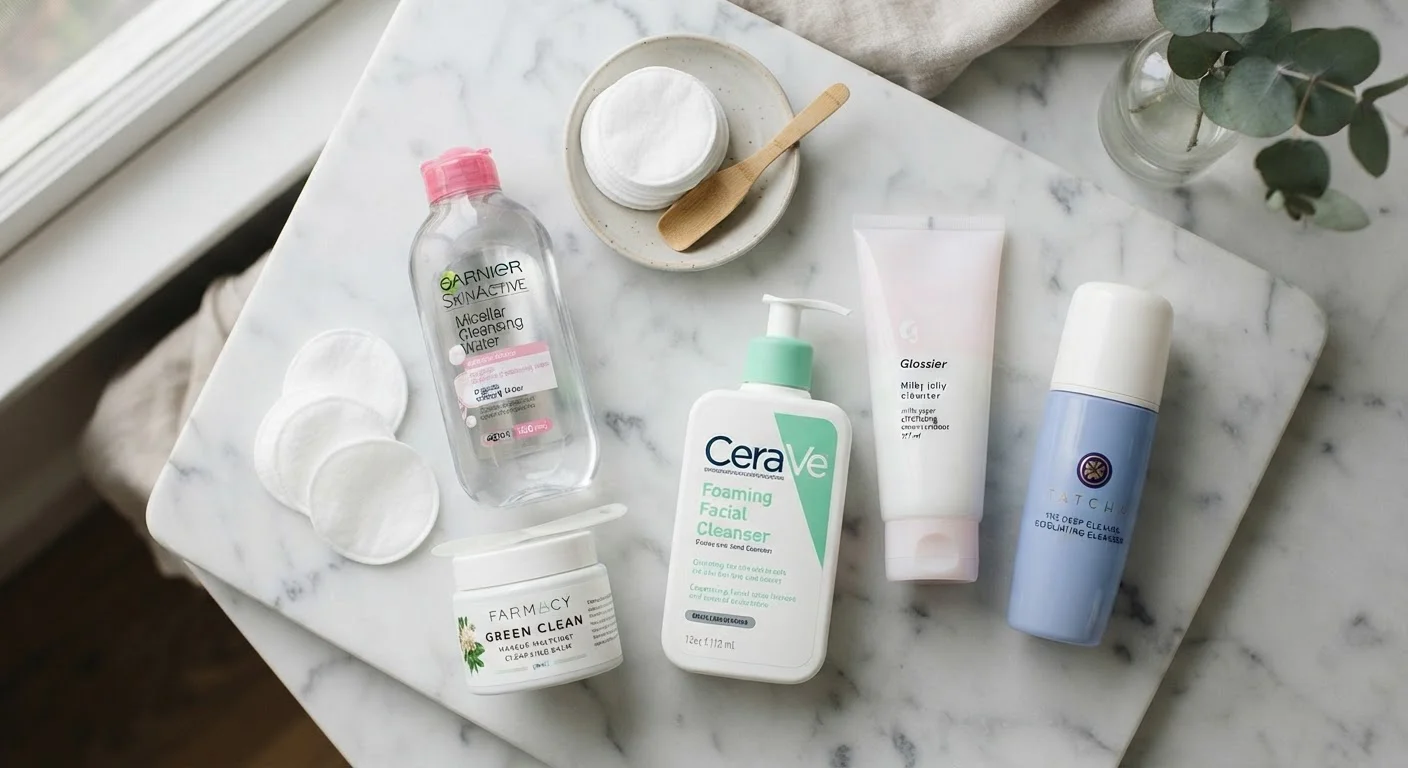
Photo credit: TheBlogZappier.com | Simple Search, Credible Results
In this article
From double cleansing to micellar water, explore how different cleansing philosophies work and the skin concerns each approach targets.
Key Takeaways
- Double cleansing, popularized in Korean beauty, uses an oil-based cleanser followed by a water-based one to remove both makeup and impurities.
- Micellar water, rooted in French pharmacy culture, offers a low-friction option suitable for sensitive or dry skin types.
- Cleansing methods are not one-size-fits-all — skin type, climate, and lifestyle should all inform your choice.
- Over-cleansing can strip the skin's natural moisture barrier, regardless of which cultural method you follow.
- Japanese skincare traditions emphasize gentle, thorough cleansing rituals that preserve skin integrity over time.
Why Cleansing Philosophy Matters
Cleansing is the foundation of any skincare routine, yet the approach to it varies dramatically across beauty cultures. Whether you follow a minimalist French pharmacy routine or an elaborate multi-step Korean regimen, how you cleanse shapes everything that comes after — how well active ingredients absorb, how balanced your skin feels, and how effectively your barrier stays intact.
Understanding the logic behind different cleansing methods helps you make informed choices rather than simply adopting a trend. Each philosophy emerged in response to specific skin concerns, climates, and cultural values around skincare. Building a complete skincare routine means starting with a cleansing method that actually suits your skin type and daily needs.
Cleansing Isn't Just About Removing Makeup
Even on days when you wear no makeup, cleansing removes sunscreen residue, environmental pollutants, sebum, and dead skin cells that accumulate throughout the day. Skipping your evening cleanse — even when skin looks clean — can interfere with how well your skin absorbs treatment products applied afterward. However, over-cleansing or using overly stripping formulas is equally counterproductive and can compromise the skin's protective barrier.
6 Cleansing Traditions Worth Understanding
Double Cleansing (Korean Beauty)
Double cleansing is a cornerstone of Korean skincare (K-beauty) and involves two distinct steps: an oil-based cleanser first, followed by a water-based foam or gel cleanser. The oil step dissolves sunscreen, sebum, and makeup — substances that water-based cleansers struggle to break down fully. The second step removes any remaining water-soluble impurities and residue from the first cleanser.
This method is particularly effective for people who wear SPF daily or use heavier cosmetics. It's generally considered thorough without being aggressive, provided both products are appropriately formulated for the skin type in use.
Oil-based cleansers dissolve sunscreen and makeup before a water-based cleanser handles the rest.
Micellar Water (French Pharmacy Tradition)
Micellar water originated in French pharmacy culture and relies on micelles — tiny oil molecules suspended in soft water — that attract and lift dirt, oil, and light makeup from the skin without rinsing. In France, where tap water is notoriously hard and can irritate sensitive skin, micellar water became a practical, low-friction alternative to traditional face washing.
It remains a popular choice for those with dry, reactive, or sensitive skin who want to avoid the stripping effect of surfactant-heavy cleansers. However, dermatologists generally recommend following it with a rinse-off cleanser if you're wearing heavier sunscreen or makeup, as micellar water alone may not fully clear those formulations.
Micellar water was developed in response to harsh European tap water that irritated sensitive skin.
Foam Cleansing (Japanese Skincare Ritual)
Japanese skincare places significant emphasis on texture and technique during cleansing. Many Japanese cleansing rituals involve working a gentle foam cleanser into an extremely rich lather — sometimes using a foaming net — and allowing the foam, rather than friction, to do the cleaning work. This approach is designed to minimize physical manipulation of the skin, reducing the risk of micro-damage and irritation.
Japanese cleansers are often formulated at a skin-compatible pH and tend to avoid harsh detergents, aligning with a cultural value of preserving the skin's natural environment over time rather than aggressively resetting it.
Japanese cleansing technique relies on rich foam to clean the skin, minimizing friction and irritation.
Oil Cleansing (Ayurvedic and Ancient Traditions)
Oil cleansing as a dedicated practice has roots in Ayurvedic traditions and various ancient Mediterranean practices. The underlying principle — that oil dissolves oil — makes it a counterintuitive but effective option for removing excess sebum and impurities. Practitioners apply a chosen facial oil, massage it into dry skin, then remove it with a warm, damp cloth.
This approach is most commonly associated with dry or mature skin types, though some people with oily or combination skin also use oil cleansing with carefully selected non-comedogenic oils. As with all cleansing methods, individual skin response varies considerably.
The principle that oil dissolves oil underpins cleansing methods found across multiple ancient skincare traditions.
Cleansing Balms and Milks (European Luxury Skincare)
Cleansing balms and milks are prominent in European luxury skincare and share a common goal: effective makeup and impurity removal without disrupting the skin barrier. Balms typically start as a solid or semi-solid texture that melts into an oil on contact with skin, while milks are lightweight, emulsified liquids that glide across the face and are rinsed or wiped away.
Both formats tend to favor emollient ingredients and minimal surfactants, making them well-suited to dry, mature, or easily sensitized skin. They are often positioned as a more indulgent alternative to foam cleansers, prioritizing comfort throughout the cleansing process. Those interested in how exfoliation fits alongside these methods can explore chemical exfoliants vs. physical scrubs.
Cleansing balms melt on contact with skin, offering effective makeup removal without stripping moisture.
Minimal Cleansing (Skin Cycling and Barrier-First Approaches)
A growing movement in contemporary Western skincare advocates for less frequent or less intensive cleansing — sometimes called "undercleansing" or a barrier-first philosophy. Proponents suggest that many skin concerns, including dryness, sensitivity, and even excess oil production, are worsened by cleansing too aggressively or too often, which disrupts the skin's microbiome and acid mantle.
Practical expressions of this include cleansing only at night and rinsing with water in the morning, or choosing the mildest possible cleanser regardless of skin type. This philosophy often intersects with routines that prioritize evidence-based skincare practices over ingredient-heavy regimens.
Over-cleansing can impair the skin barrier, prompting some routines to prioritize minimal, gentle cleansing.
Test One Method at a Time
When experimenting with a new cleansing approach, introduce it as the only change in your routine and observe your skin's response over two to four weeks. Changing multiple products simultaneously makes it difficult to identify what's helping or causing irritation. Keep your other routine steps consistent during this evaluation period.
Choosing What Works for Your Skin
No single cleansing method is universally superior. The right approach depends on your skin type, how much product you wear during the day, environmental factors like pollution or humidity, and how your skin responds over time. If you notice persistent dryness or irritation, consider whether your current method is disrupting your skin barrier rather than supporting it.
It also helps to revisit your routine seasonally — a heavy oil cleanse that feels grounding in winter may feel excessive in humid summer months. For more on that, see seasonal skincare myths that could be undermining your routine. And if you're layering treatment products after cleansing, understanding serums, essences, and ampoules ensures those steps complement your cleansing foundation rather than work against it.
This article is for informational purposes only. Individual skin concerns, conditions, or sensitivities should be discussed with a licensed dermatologist or skincare professional.

Author
Style & Beauty Editorial Team
Style & Beauty Editorial Team is the collective byline for our editorial team and contributor network. Articles published under this byline or an editorial pen name are researched, written, and reviewed according to our editorial standards for clarity, consistency, and independence before publication.
View all articles →