
Serums, Essences, and Ampoules: Understanding the Differences
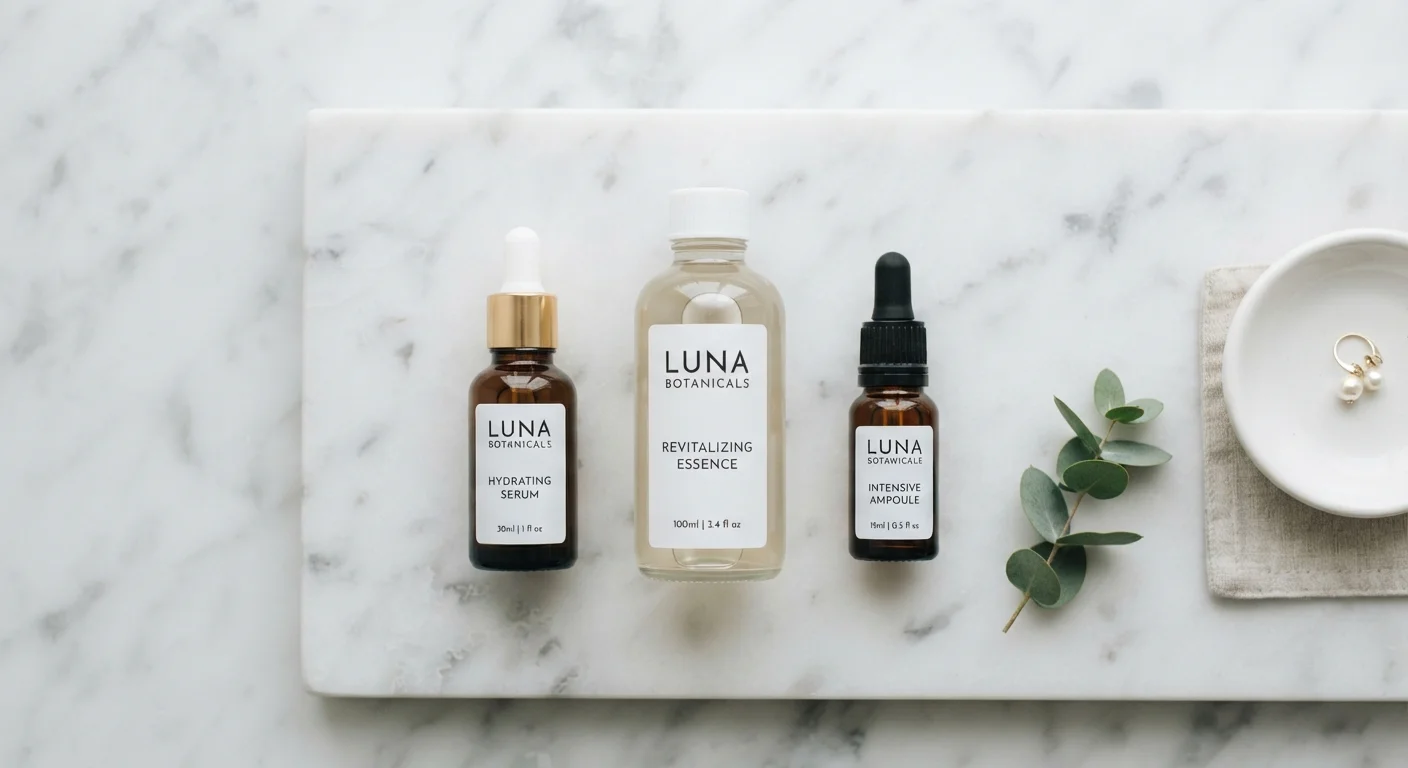
Photo credit: TheBlogZappier.com | Simple Search, Credible Results
In this article
These three product types look similar on shelves but serve distinct purposes. A clear breakdown of their textures, concentrations, and ideal uses.
Key Takeaways
- Essences are lightweight, hydrating first-step treatments; serums are concentrated active-ingredient delivery systems.
- Ampoules are the most potent of the three, typically used as short-term intensive treatments.
- Texture, concentration, and intended skin concern differ meaningfully across all three formats.
- Layering order generally runs: essence first, serum second, ampoule used selectively in place of a serum.
- Not every routine needs all three — your specific skin concerns should guide which you use.
Why These Three Products Cause Confusion
Walk the skincare aisle and you'll find bottles labeled serum, essence, and ampoule sitting within inches of one another, often with similar dropper caps and translucent liquid inside. The overlap in appearance masks real differences in formulation philosophy, ingredient concentration, and intended use.
These are not simply marketing synonyms. Each product type emerged from distinct skincare traditions — essences from Korean beauty routines, serums from Western cosmetic science, and ampoules from professional treatment protocols — and each plays a different functional role. Understanding those roles helps you build a routine that's deliberate rather than redundant. For deeper context on what the active ingredients inside these products actually do, see our guide to skincare ingredients.
Essences: Hydration and Skin Prep
An essence is a water-forward, low-viscosity liquid applied immediately after cleansing and toning. Its primary purpose is to hydrate the skin and prime it to absorb subsequent products more effectively — a concept sometimes called "skin flooding" in modern routines.
Essences typically contain humectants such as hyaluronic acid or glycerin, along with fermented ingredients or gentle brightening compounds. Their active-ingredient load is intentionally modest compared to serums, making them well suited for daily, year-round use across most skin types. The texture is closer to water than to a traditional serum gel, and they're meant to be patted — not rubbed — into skin for maximum absorption.
Starting With an Essence? Keep It Simple
If your skin tends toward dryness or feels tight after cleansing, an essence can be a low-risk entry point into a more structured routine. It delivers hydration without the higher concentration of actives that serums carry, reducing the likelihood of irritation. Pat it gently into damp skin rather than rubbing for best absorption.
If your skin tends toward dryness or feels tight after cleansing, an essence can be a low-risk entry point into a more structured routine. It delivers hydration without the higher concentration of actives that serums carry, reducing the likelihood of irritation.
Serums: Targeted Active-Ingredient Delivery
Serums are the workhorses of a skincare routine. They carry a higher concentration of active ingredients than essences and are formulated to address specific skin concerns: uneven tone, fine lines, acne, or dullness, among others. The molecular structure of a serum is designed to penetrate beyond the surface layer of skin, delivering actives where they can have a measurable effect.
Textures range from thin watery liquids to thicker gel or oil-based formulas depending on what the active ingredients require. A vitamin C serum, for example, is often water-based and slightly acidic; a retinol serum may be oil-based. Because serums are concentrated, using more than directed doesn't increase effectiveness and may increase irritation risk — particularly with actives like exfoliating acids or retinoids.
| Essence | Serum | Ampoule | |
|---|---|---|---|
| Typical texture | Watery, very thin | Thin to medium-gel | Thin to medium, concentrated |
| Active concentration | Low to moderate | Moderate to high | High to very high |
| Primary purpose | Hydration and skin prep | Targeted concern treatment | Intensive short-term boost |
| Recommended use frequency | Daily, twice daily | Daily or as directed | Short treatment course |
| Layering position | First after cleansing | After essence | In place of serum |
| Typical skin types | Most types, especially dry | Varies by formula | All types, used selectively |
Ampoules: Intensive Short-Term Treatment
Ampoules sit at the highest-concentration end of the spectrum. Originally derived from medical and clinical skincare contexts — where single-use glass vials delivered precise doses of actives — cosmetic ampoules retain that "intensive treatment" philosophy. They contain a higher percentage of active ingredients than most everyday serums and are typically recommended for use over a defined period: a one- to two-week course, or during times of particular skin stress such as after significant sun exposure or during seasonal transitions.
Because of their potency, ampoules are generally not designed for indefinite daily use. They function more like a targeted intervention than a routine staple. Storage matters more for ampoules than for most other products — single-use formats minimize oxidation concerns, while multi-use bottles should be used promptly once opened. Our article on beauty product shelf life and storage covers how to handle high-active formulas safely.
How to Layer All Three — and When Not To
When used together, the conventional layering order is: essence first (thinnest, most water-like), followed by serum, with an ampoule used in place of a serum during an intensive treatment period rather than stacked on top of one.
~7
Average steps in a full K-beauty routine
The multi-step Korean beauty routine, which popularized essences in Western markets, commonly includes between five and ten distinct product steps.
1–2 weeks
Typical ampoule treatment duration
Most cosmetic ampoule regimens are designed as short-course treatments rather than indefinite daily use, reflecting their higher active-ingredient concentration.
That said, more layers don't automatically mean better results. Layering multiple high-concentration actives — especially from different product categories — can compromise the skin barrier over time. If you're navigating a complex routine, consider your skin concerns one at a time rather than addressing all of them simultaneously. Skin type matters too: for guidance on how different formulations interact with oily, dry, or combination skin, our piece on adapting your approach for different skin types offers relevant framing.
Most people with straightforward skin concerns will get meaningful results from a single well-chosen serum or essence — not necessarily all three product types at once.

Author
Style & Beauty Editorial Team
Style & Beauty Editorial Team is the collective byline for our editorial team and contributor network. Articles published under this byline or an editorial pen name are researched, written, and reviewed according to our editorial standards for clarity, consistency, and independence before publication.
View all articles →