
Skincare Ingredients Decoded: What's Actually in Your Products
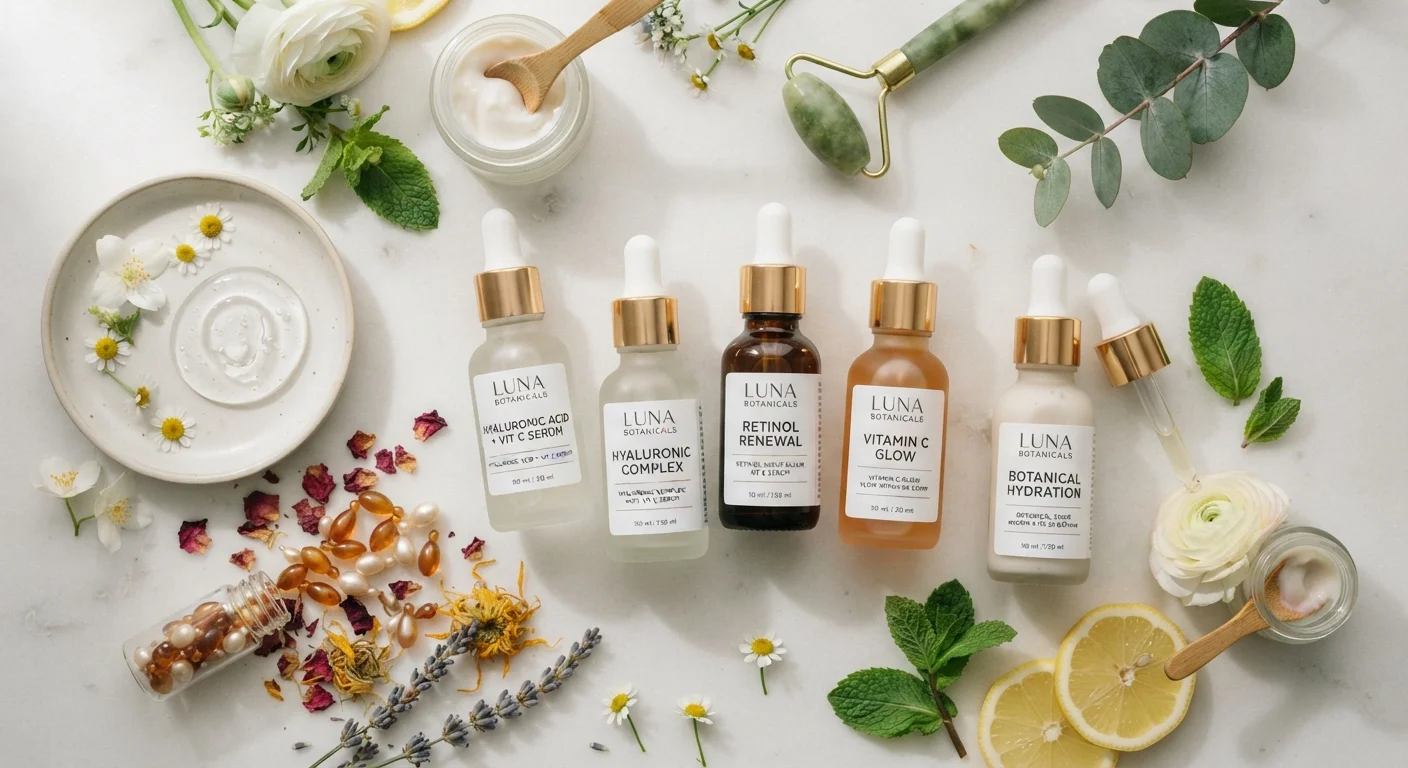
Photo credit: TheBlogZappier.com | Simple Search, Credible Results
In this article
From retinol to niacinamide, learn what common skincare ingredients do, how they work, and which skin concerns they address.
Why Ingredient Knowledge Matters
Skincare shelves are crowded with products making bold claims, but the ingredient list is where the real story lives. Knowing what common actives do — and don't do — removes the guesswork from building a routine and helps you assess whether a product addresses your actual skin concerns.
Ingredients are listed on U.S. products in descending order of concentration, per FDA cosmetic labeling requirements. That means the first few ingredients make up the bulk of the formula. If a buzzy active appears near the bottom, it may be present in a minimal amount. For a deeper look at how to read those lists, see our guide to cosmetics ingredient labels.
| Ingredient list order | Descending by concentration (highest to lowest) (U.S. FDA cosmetic labeling regulations) |
| Active vs. inactive ingredients | Actives address specific skin concerns; inactives carry and stabilize the formula |
| Retinol availability | Available OTC; prescription retinoids are higher-potency forms |
| Photosensitizing actives | Retinoids and AHAs can increase UV sensitivity — daily SPF is essential (American Academy of Dermatology guidance) |
| Hyaluronic acid best practice | Apply to damp skin and seal with moisturizer for maximum effect |
| Patch testing | Apply a new product to a small area for several days before full-face use |
Key Actives and What They Do
The ingredients below appear frequently across moisturizers, serums, and treatments. Understanding their mechanisms helps you match them to your skin goals.
Retinol
A vitamin A derivative that promotes cell turnover and stimulates collagen production. Widely studied for its effects on fine lines and uneven texture; available over the counter, while prescription-strength retinoids are stronger.
Hyaluronic Acid
A humectant — a molecule that attracts and binds water — that occurs naturally in the body. In skincare, it helps draw moisture to the skin's surface, supporting hydration and a plumper appearance.
Niacinamide
A form of vitamin B3 that supports the skin barrier, helps regulate sebum production, and may visibly reduce the appearance of enlarged pores and uneven skin tone over time.
AHA (Alpha Hydroxy Acid)
A class of water-soluble exfoliating acids — including glycolic and lactic acid — that loosen the bonds between dead surface skin cells, promoting smoother texture and more even tone.
BHA (Beta Hydroxy Acid)
An oil-soluble exfoliant, with salicylic acid being the most common example. Because it can penetrate into pores, it is widely used for oily or acne-prone skin concerns.
Vitamin C (Ascorbic Acid)
An antioxidant that helps neutralize free radical damage, supports collagen synthesis, and can improve the appearance of dark spots and dullness. Stability and effectiveness depend heavily on formulation and packaging.
Ceramides
Lipid molecules naturally present in the skin barrier. Ceramide-containing formulas are used to help reinforce and repair the barrier, reducing moisture loss and sensitivity.
Peptides
Short chains of amino acids that act as signaling molecules in the skin. Different peptide sequences are associated with supporting collagen production or improving skin firmness, though evidence varies by specific compound.
Not every active suits every skin type or routine. Retinoids and AHAs, for example, can increase photosensitivity, making daily broad-spectrum sunscreen non-negotiable. Learn how SPF numbers are actually measured so you can choose appropriate daily protection.
Layering multiple actives — such as vitamin C with niacinamide, or retinol with an AHA — requires care. Some combinations can cause irritation or reduce efficacy. Introducing one new active at a time and monitoring skin response is a sound general approach, though individual skin varies considerably.
Combining Actives: Proceed Carefully
Some active pairings — such as retinol used alongside strong exfoliating acids — can lead to irritation, redness, or compromised barrier function in sensitive skin. It is generally advisable to introduce one new active at a time and allow skin to adjust over several weeks. If you experience persistent irritation, discontinue use and consult a dermatologist.
For a broader look at ingredient-related misconceptions — including whether natural automatically means gentle — see our evidence-based guide to skincare myths.
Pairing Ingredients With Product Types
The format a product comes in affects how an ingredient performs. Hyaluronic acid works best applied to damp skin before sealing with a moisturizer, because it draws moisture from its environment. Vitamin C is most stable in anhydrous (water-free) or low-pH formulas, which is why it often appears in dedicated serums rather than creamy lotions.
Serums and essences tend to deliver higher concentrations of water-soluble actives. Understanding the differences between serums, essences, and ampoules can help you slot the right product type into the right step of your routine.
Ultimately, ingredient literacy is a tool — not a prescription. Skin responses are highly individual, and what works well for one person may cause sensitivity in another. A board-certified dermatologist is the most reliable resource for guidance tailored to your specific concerns.
This article is for general informational and educational purposes only. It is not a substitute for professional dermatological or medical advice. Consult a qualified healthcare provider for concerns about your skin health.

Author
Style & Beauty Editorial Team
Style & Beauty Editorial Team is the collective byline for our editorial team and contributor network. Articles published under this byline or an editorial pen name are researched, written, and reviewed according to our editorial standards for clarity, consistency, and independence before publication.
View all articles →