
SPF in Skincare: What Sun Protection Factor Actually Measures
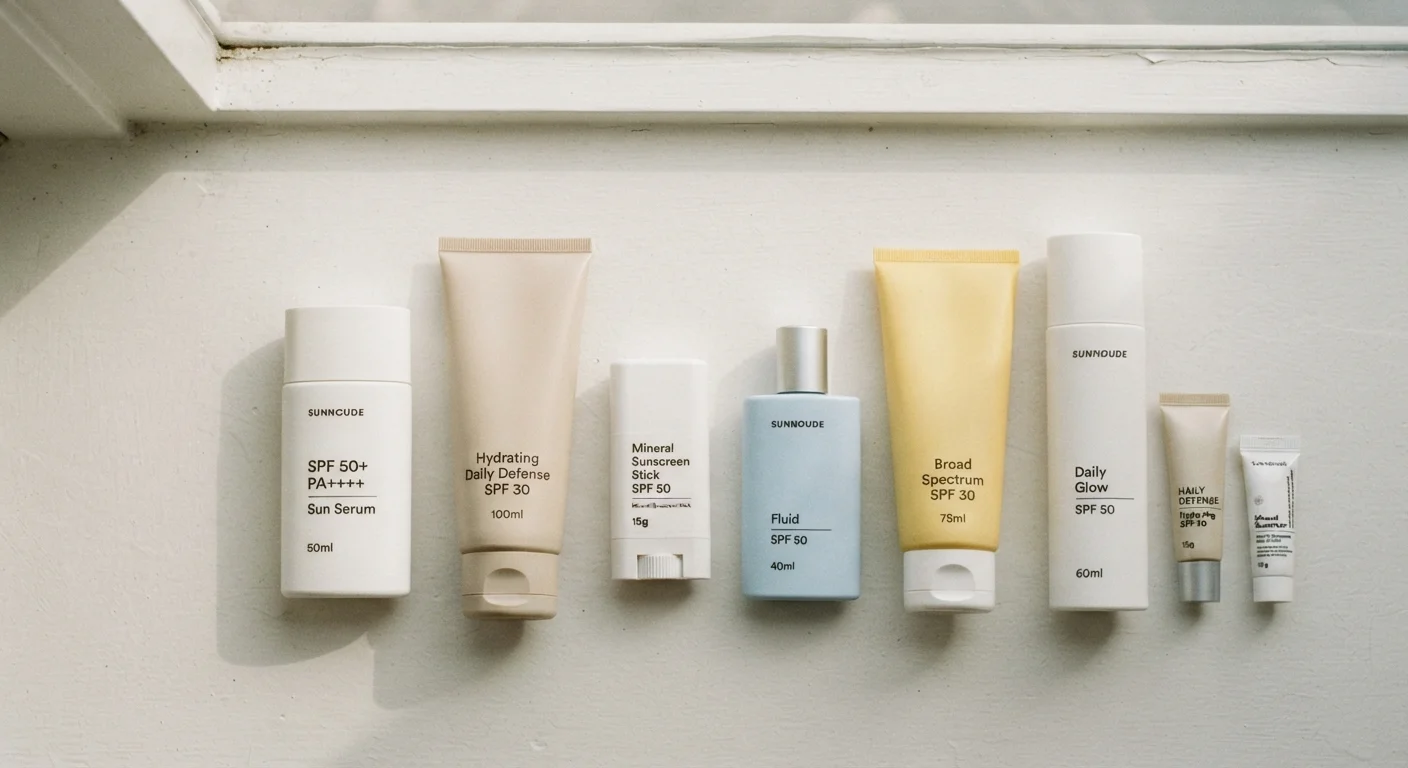
Photo credit: TheBlogZappier.com | Simple Search, Credible Results
In this article
SPF labels can be confusing. This explainer breaks down what the numbers mean, how broad-spectrum protection works, and why daily use matters.
Key Takeaways
- SPF measures UVB ray filtration efficiency, not how long you can stay in the sun.
- SPF 30 blocks roughly 97% of UVB rays; SPF 50 blocks roughly 98%.
- Broad-spectrum labeling indicates protection against both UVA and UVB rays.
- Reapplication — typically every two hours — matters as much as the SPF number itself.
- Daily use is recommended even on cloudy days and indoors near windows.
How the SPF Number Is Calculated
The SPF number on a product label comes from a controlled laboratory test, not from real-world use. Testers measure the minimum dose of UVB radiation needed to cause a faint redness on protected skin, then compare that to the dose required on unprotected skin. The ratio produces the SPF value.
In practical terms, this translates to filtration percentages that are closer together than the numbers suggest:
- SPF 15 filters approximately 93% of UVB rays
- SPF 30 filters approximately 97% of UVB rays
- SPF 50 filters approximately 98% of UVB rays
- SPF 100 filters approximately 99% of UVB rays
The diminishing returns above SPF 30 are real, but that remaining 1–2% difference can matter for people with photosensitive conditions or those spending extended time outdoors. For everyday urban routines, SPF 30 broad-spectrum coverage is the threshold most dermatological organizations reference as a general starting point.
~97%
UVB rays blocked by SPF 30
According to the American Academy of Dermatology, SPF 30 filters approximately 97% of UVB radiation under standard testing conditions.
95%
UV exposure that is UVA radiation
The Skin Cancer Foundation notes that UVA rays account for up to 95% of UV radiation reaching the earth's surface, underscoring the importance of broad-spectrum coverage.
2 hours
Recommended reapplication interval
The FDA and major dermatological organizations recommend reapplying sunscreen every two hours during outdoor exposure for consistent protection.
UVA vs. UVB: Why Broad-Spectrum Matters
SPF measures only UVB protection. UVB rays are shorter in wavelength and are the primary cause of sunburn. UVA rays, which make up the vast majority of UV radiation reaching the earth's surface, penetrate deeper into the skin and are strongly associated with photoaging — the cumulative skin changes linked to UV exposure over time.
A product can carry a high SPF number while offering minimal UVA protection. That's why the broad-spectrum designation matters. In the United States, the FDA requires that any sunscreen labeled broad-spectrum pass a standardized UVA test before that claim can appear on the label.
When reviewing a skincare product, look for both a meaningful SPF number and the broad-spectrum label. Products marketed for daily skincare use — moisturizers, primers, tinted formulas — should meet both criteria to provide well-rounded protection. For more on how active and inactive ingredients contribute to a product's overall performance, see our guide to skincare ingredients.
Check for Both SPF and Broad-Spectrum
When evaluating any sunscreen or SPF-infused skincare product, confirm that the label includes both a SPF number of 30 or higher and the term 'broad-spectrum.' Either claim alone leaves a gap in coverage. If a product lists SPF without a broad-spectrum designation, it has not been tested or cleared for UVA protection.
Application, Reapplication, and Real-World Effectiveness
Laboratory SPF values are established using a specific, measured amount of product — typically 2 milligrams per square centimeter of skin. Most people apply considerably less than that in everyday use, which means the actual protection delivered is often lower than the label suggests.
Consistent, sufficient application and timely reapplication are what translate a product's tested SPF into real protection. Key habits that affect real-world efficacy include:
- Apply generously. For the face, a nickel-sized amount is a commonly cited reference, though individual face size varies.
- Don't skip areas. Ears, the back of the neck, and the tops of hands are frequently missed.
- Reapply every two hours during outdoor exposure, and after water contact or perspiration.
- Check water resistance claims. Labels will specify 40 or 80 minutes of water resistance — not indefinite coverage.
One important misconception is that a higher SPF allows for less frequent reapplication. It does not. A common seasonal skincare myth is that sunscreen is only relevant in summer. UV exposure accumulates year-round, and UVA rays are particularly consistent across seasons.
SPF in Everyday Skincare Routines
Sunscreen has traditionally been positioned as a step reserved for beach days or outdoor activity. Dermatology guidance increasingly frames daily SPF as a foundational skincare practice — not a seasonal or situational add-on.
UVA rays penetrate standard window glass, meaning that time spent near windows — at a desk, in a car, or at home — involves some UV exposure. Cloud cover reduces but does not eliminate UV radiation reaching the skin.
SPF has also expanded across product formats, appearing in moisturizers, serums, foundations, lip balms, and dedicated sunscreen formulas. Each format has trade-offs in texture, finish, and how easily it layers with other products. Understanding how these fit into a broader routine — alongside actives like antioxidants or exfoliants — can help readers build a more coherent approach. Our overview of serums, essences, and ampoules explains how layering order affects product performance.
SPF Labeling Is FDA-Regulated in the U.S.
In the United States, sunscreen is regulated as an over-the-counter drug by the FDA, which means SPF values and label claims — including broad-spectrum, water resistance, and SPF ceilings — must meet specific testing and labeling requirements. This differs from some other countries where sunscreen may be classified as a cosmetic. When using international products purchased online, labeling standards may not align with U.S. FDA requirements.
Frequently Asked Questions

Author
Style & Beauty Editorial Team
Style & Beauty Editorial Team is the collective byline for our editorial team and contributor network. Articles published under this byline or an editorial pen name are researched, written, and reviewed according to our editorial standards for clarity, consistency, and independence before publication.
View all articles →