
Apartment Living with a Dog: Making Small Spaces Work
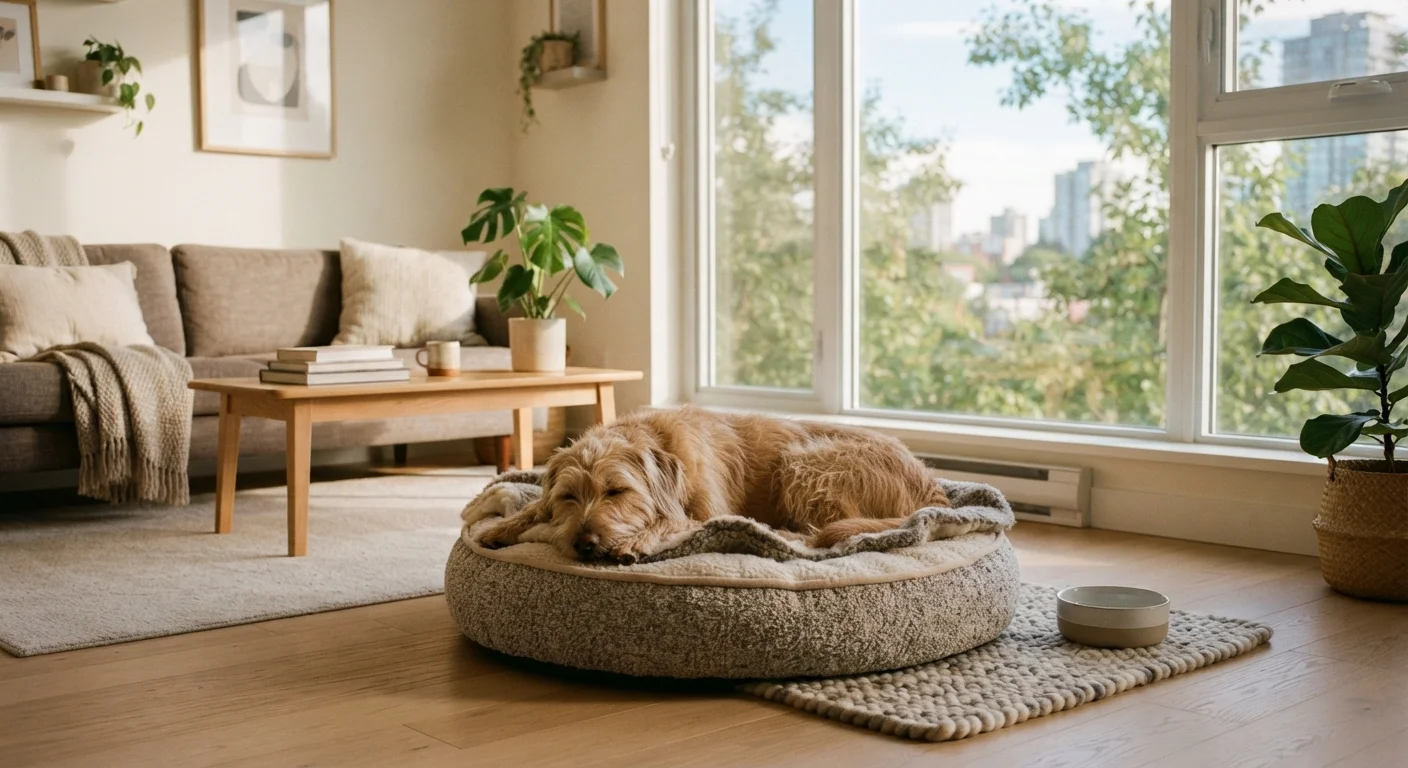
Photo credit: TheBlogZappier.com | Simple Search, Credible Results
In this article
Compact homes don't have to mean a diminished life for your dog. Practical strategies for exercise, enrichment, and calm in smaller spaces.
Key Takeaways
- Physical exercise outside is essential — daily walks remain non-negotiable regardless of home size.
- Mental stimulation through puzzles and scent games can reduce restless or destructive behavior indoors.
- Designating a comfortable zone for your dog helps them feel secure in a compact space.
- Breed temperament and energy level matter more than size when assessing apartment suitability.
- Consistent routines reduce anxiety and make small-space living calmer for both dog and owner.
Why Small Spaces Can Work — With the Right Approach
A common assumption is that dogs need a house with a yard to thrive. In practice, what dogs need most is consistent exercise, mental engagement, and a secure base — none of which are exclusive to larger homes. Many dogs live well-adjusted, happy lives in apartments when their owners understand and actively meet those core needs.
That said, apartment living does require more deliberate planning. Without a yard to fall back on, owners must build outdoor activity and indoor enrichment into their daily routines by design. The indoor enrichment strategies that work for cats and small animals translate surprisingly well to dogs too — with some species-appropriate adjustments.
Before diving into the steps, it's worth thinking about breed fit. High-energy working breeds that have been selectively bred for sustained physical output — think herding or sporting dogs — can struggle in apartments unless their owners are committed to very active daily schedules. Lower-energy breeds, many sight hounds, and older dogs often adapt readily to apartment routines. If you're still in the planning phase, our first pet care planning guide covers how to match a dog's needs to your lifestyle before bringing them home.
What you will need
Steps to Build a Fulfilling Apartment Routine
The following steps will help you create a structured, enriching daily life for your dog within a smaller home. Work through them as an initial setup, then revisit each one as your dog's needs evolve.
Establish a Non-Negotiable Daily Walk Schedule
Dogs in apartments cannot self-exercise. Plan a minimum of two substantial walks per day — most adult dogs benefit from at least 30 minutes of walking spread across multiple outings, though requirements vary significantly by breed and age. Morning walks in particular help dogs release overnight energy and set a calm tone for the day.
Vary your routes regularly. Novel smells and sights provide mental stimulation that a familiar loop cannot, making each walk more enriching even at the same duration.
Create a Dedicated Dog Zone Inside the Apartment
Assign a specific area of the apartment as your dog's base: a bed or crate, their water bowl, and a few familiar toys. Dogs are den animals by inclination and a defined, comfortable space helps them feel secure rather than anxious about where they belong.
Place this zone away from high-traffic areas if possible — near a wall or in a corner — so your dog has a clear retreat when they need to settle. Consistency in location matters; moving the space frequently can undermine its calming function.
Incorporate Daily Mental Enrichment
Physical exercise alone is rarely enough to keep an apartment dog calm and content. Mental engagement — through puzzle feeders, sniff mats, short training sessions, or hide-and-seek games with food or toys — tires a dog out in a different but equally important way.
A ten-minute training session practicing known cues or learning a new skill can be as settling as a second walk for many dogs. Rotate enrichment activities to prevent boredom with any single format.
Manage Noise and Neighbor Considerations Proactively
Barking is one of the most common friction points in apartment dog ownership. If your dog vocalizes when left alone, address the underlying cause — usually separation anxiety or boredom — rather than attempting to suppress the behavior through punishment alone.
Gradual alone-time training, a consistent pre-departure routine, and adequate pre-outing exercise all reduce stress-driven barking. If the issue persists or worsens, consult a qualified veterinary behaviorist or certified applied animal behaviorist for guidance tailored to your dog's situation.
Build in Regular Off-Leash Time
Even well-exercised dogs benefit from the freedom to move at their own pace without leash constraint. Seek out local dog parks, enclosed play areas, or off-leash trails where your dog can run, explore, and socialize safely. Even once or twice a week makes a meaningful difference in physical and social well-being.
Ensure your dog has reliable recall before allowing off-leash time in open spaces, and always check local regulations regarding leash laws.
Routine Is Your Most Powerful Tool
Dogs are strongly routine-oriented animals. Predictable walk times, feeding schedules, and settle-down cues reduce ambient anxiety significantly in small spaces. Even a loose routine — morning walk, midday enrichment, evening walk — provides enough structure to make a meaningful difference in your dog's daily calm.
For households with multiple animals, the principles here pair well with guidance on managing space and territory in multi-pet homes, where competition for limited zones can add an extra layer of complexity.
Keeping Your Apartment Dog-Friendly Long Term
Maintaining a workable setup is an ongoing process, not a one-time fix. As your dog ages, their exercise requirements and enrichment preferences will shift. A puppy needs frequent short outings and high novelty; a senior dog may need gentler walks but benefits greatly from continued mental engagement.
Physical space can also be used more efficiently with thoughtful design choices. Vertical storage and furniture that doubles as dog-supply storage free up floor space for movement and play. For more ideas on organizing a home around a pet's needs without sacrificing livability, see our guide to building a pet-friendly home.
Finally, consider your dog's needs when you travel or spend extended time away. Changes in routine hit apartment dogs hard, since they rely more heavily on owner-led activity. Our travelling with pets checklist addresses how to prepare your dog for disruptions to their normal schedule.
Watch for Signs of Chronic Under-Stimulation
Destructive chewing, excessive barking, hyperactivity indoors, or repetitive behaviors can indicate that a dog's physical or mental needs are not being met. These are behavioral signals worth addressing early — they tend to worsen over time if the root cause isn't tackled. If you're unsure whether your dog's behavior reflects a care gap or an underlying health issue, a veterinarian is the right first contact.

Author
Pets & Animals Editorial Team
Pets & Animals Editorial Team is the collective byline for our editorial team and contributor network. Articles published under this byline or an editorial pen name are researched, written, and reviewed according to our editorial standards for clarity, consistency, and independence before publication.
View all articles →