
Building a Pet-Friendly Home Without Sacrificing Your Space
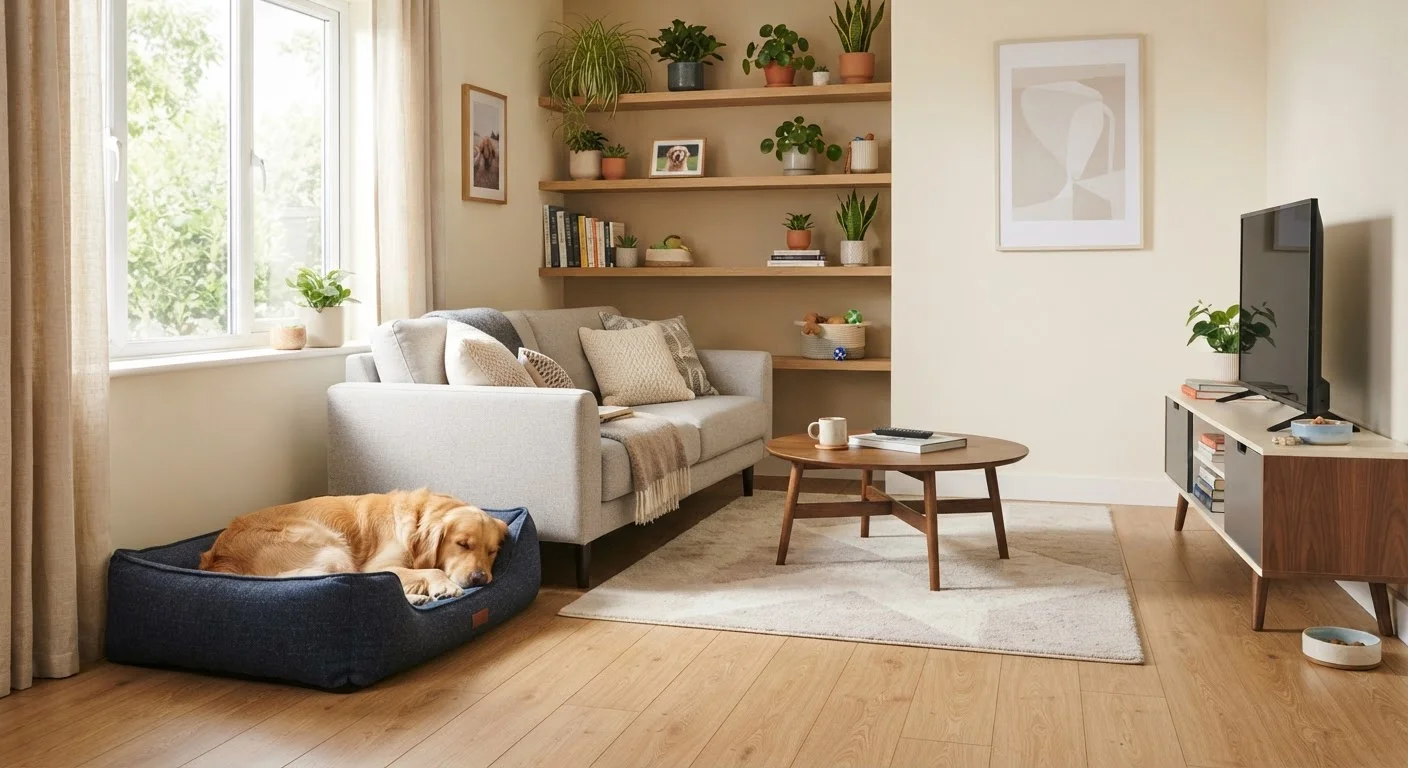
Photo credit: TheBlogZappier.com | Simple Search, Credible Results
In this article
From flooring choices to safe plant selection and dedicated animal zones, explore practical design and organisation principles for life with pets.
Key Takeaways
- Durable, easy-to-clean flooring and fabrics significantly reduce long-term maintenance challenges in pet homes.
- Designated zones for sleeping, feeding, and play help pets feel secure and keep your living areas organized.
- Many common houseplants are toxic to dogs and cats — researching before displaying is essential.
- Strategic storage for pet supplies reduces clutter while keeping essentials consistently accessible.
- A pet-friendly home supports animal wellbeing without requiring you to compromise your living environment.
Why Intentional Home Design Matters for Pets
Bringing a pet into your home changes how every room functions. Dogs need surfaces they can move on safely, cats seek vertical territory, and small animals require environments free from hazards. Without intentional planning, the result is often a home that feels like it belongs entirely to the pet — or one where the animal's needs are perpetually in conflict with yours.
A thoughtful approach to pet-friendly design doesn't mean covering every surface in plastic or surrendering your aesthetic preferences. It means making informed choices — about materials, layout, and safety — that work for both species sharing the space. If you're still in the early stages of bringing a pet home, our first-pet care plan guide covers the foundational routines to establish before design decisions even begin.
Flooring, Fabrics, and Surfaces That Hold Up
Flooring is often the first casualty in pet households. Smooth hardwood can be slippery for dogs with joint issues, while carpet traps dander, odors, and moisture. Luxury vinyl plank (LVP) has become a practical middle ground — it resists scratches, handles spills, and provides enough grip for most dogs. Porcelain tile is similarly durable but can be cold; adding washable area rugs in defined zones resolves this.
For soft furnishings, tightly woven microfiber fabrics are significantly more resistant to claw snags than loosely woven textiles. Leather and faux-leather surfaces are easy to wipe but show scratches over time. Slipcovers offer a practical solution: they're washable, replaceable, and keep your furniture protected without a permanent commitment.
Prioritize Washability Over Aesthetics
When replacing rugs or upholstery, prioritize materials that are washable at home rather than dry-clean only — this pays dividends every shedding season. Look for fabrics labeled performance or indoor-outdoor, which are typically engineered to resist stains and moisture while remaining visually appealing.
When replacing rugs or upholstery, prioritize materials that are washable at home rather than dry-clean only — this pays dividends every shedding season.
Creating Dedicated Zones Without Dominating Your Layout
Pets thrive with defined areas for sleeping, eating, and retreat — research on animal behavior consistently shows that predictable environments reduce stress and problem behaviors. The practical design challenge is integrating these zones without making your home feel like a pet supply warehouse.
Built-in cabinetry can conceal feeding stations and litter boxes while keeping them accessible. A window seat with a low-profile bed insert gives cats a perching spot without added furniture. Dog crates can be styled with wooden surrounds that double as side tables. The goal is functional integration rather than afterthought placement. For households with more than one animal, managing territory between multiple pets requires additional spatial consideration to prevent resource competition.
Choose flooring materials rated for scratch and moisture resistance before adopting a pet.
Replacing flooring after damage is expensive and disruptive. Selecting durable materials from the outset protects your investment and reduces long-term maintenance. It also eliminates slipping hazards that can cause joint stress in dogs.
Audit all houseplants against a verified toxic-plant database before displaying them.
Curious pets — especially cats and young dogs — investigate plants through chewing. Ingesting toxic species can cause anything from mild gastrointestinal upset to life-threatening organ failure. Removing risk proactively is far simpler than managing a poisoning emergency.
Assign each pet a clearly defined sleeping and retreat space within your existing layout.
Animals benefit from having a predictable spot that belongs to them — it reduces anxiety and territorial behavior. A defined space also signals to the pet where to settle, which reduces wandering and furniture conflicts.
Secure cabinets containing cleaning products, medications, and toxic foods with childproof latches.
Dogs in particular are capable of nosing open unlocked lower cabinets. Common household items — chocolate, xylitol, many medications, and certain cleaning agents — can cause serious harm if accessed. Prevention requires physical barriers, not just placement out of sight.
Rotate available toys rather than displaying all of them simultaneously.
Maintaining novelty in a pet's environment supports mental stimulation without requiring constant new purchases. Rotation also keeps floor clutter manageable and makes the reintroduction of a stored toy feel like a reward.
Houseplant Safety and Chemical Hazards
Many popular houseplants — including pothos, philodendron, peace lily, and certain species of lily — are toxic to dogs and cats. The ASPCA maintains a publicly available database of toxic and non-toxic plants, which is a reliable reference before introducing any new plant to a pet household. Pet-safe alternatives include spider plants, Boston ferns, and most succulents (with the exception of aloe vera, which is toxic to pets).
Cleaning Products and Pet Safety
Common household cleaners, especially those containing phenols or quaternary ammonium compounds, can be harmful to cats and dogs even after surfaces appear dry. Always allow adequate ventilation and complete drying time after cleaning floors or surfaces pets contact regularly. If you're uncertain about a specific product's safety, your veterinarian is the appropriate resource — not product marketing materials.
Beyond plants, common household chemicals pose significant risk. Cleaning products, especially those containing phenols or quaternary ammonium compounds, can be harmful to cats and dogs even after surfaces dry. Store all cleaning supplies in secured cabinets, and allow adequate ventilation and drying time after use. When in doubt, consult your veterinarian about specific product safety.
Storage, Organization, and Reducing Clutter
Pet ownership generates a surprising volume of supplies: food, treats, toys, grooming tools, medications, and accessories. Without a storage system, these items spread across multiple rooms and make both human and animal navigation harder.
Designate a single storage location — a cabinet, closet section, or storage bench — for pet supplies. Use clear bins for toys so they're visible without requiring you to dig. Keep daily-use items (leash, poop bags, treats) in a small tray near the exit. Rotating toy availability also reduces floor clutter while maintaining novelty for your pet. For ideas on stimulating pets in confined spaces, see our guide on indoor enrichment for pets.

Author
Pets & Animals Editorial Team
Pets & Animals Editorial Team is the collective byline for our editorial team and contributor network. Articles published under this byline or an editorial pen name are researched, written, and reviewed according to our editorial standards for clarity, consistency, and independence before publication.
View all articles →