
Travelling with Pets: What to Sort Before You Leave the House
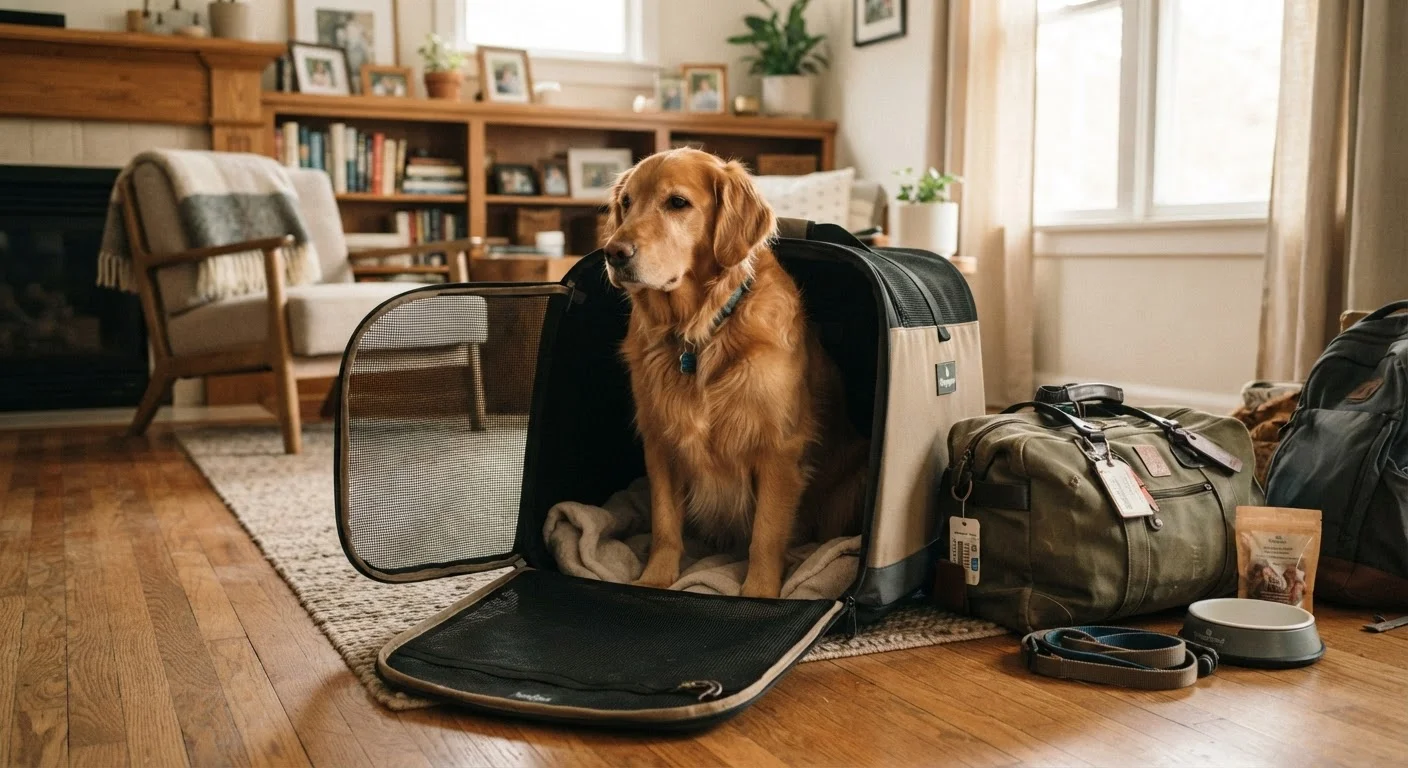
Photo credit: TheBlogZappier.com | Simple Search, Credible Results
From carrier safety to documentation and anxiety management, use this checklist to prepare your pet — and yourself — for trips near and far.
Key Takeaways
- Confirm your pet's vaccinations, microchip, and health documentation are current before any trip.
- Carrier acclimation should begin days or weeks before departure, not hours before.
- Feeding schedules and food supplies need deliberate planning to avoid digestive upset on the road.
- Anxiety management strategies work best when introduced before travel day, not during it.
- Rules and documentation requirements vary widely by destination, transport mode, and pet species.
Why Pre-Travel Preparation Matters for Pets
Travelling with a pet is genuinely rewarding — but it exposes animals to unfamiliar smells, sounds, temperatures, and routines that can be stressful without preparation. Unlike humans, pets cannot anticipate or contextualise what's happening to them. What feels like a minor road trip to you may register as a significant disruption for your dog or cat.
The good news is that most travel-related stress is preventable with the right groundwork. This checklist covers the four main areas where owners typically fall short: health and documentation, carrier and containment safety, feeding and hydration planning, and anxiety management. Work through each group before you leave the house — ideally starting several days in advance — and you'll give your pet the best possible chance of a calm, safe journey.
For broader guidance on keeping your pet's daily routines healthy and consistent, the Pet Care Basics hub is a useful starting point. If your pet struggles with being left alone or separated from familiar environments, also consider reading our article on separation anxiety in dogs before your trip.
Health and Documentation
Carrier and Containment Safety
Feeding and Hydration
Anxiety and Comfort Management
Tools and Resources to Have Ready
Before you run through the checklist, gather the tools that make each step practical. Having these on hand before travel day prevents last-minute scrambles.
USDA-Accredited Veterinarian
Required to issue official health certificates for interstate or international pet travel.
Crash-tested pet crate or travel carrier
Keeps your pet contained and protected in the vehicle or aircraft hold.
Collapsible water bowl
Allows you to offer hydration at rest stops without packing bulky equipment.
Pet first aid kit
Provides basic wound care and supplies for minor injuries during travel.
Pheromone spray or calming collar
Can help reduce anxiety in the carrier during transit when used as directed by your vet.
Digital document folder or app
Stores copies of vaccination records, health certificates, and microchip details for quick access.
Keep copies of all health documentation — both physical and digital — in a dedicated travel folder for your pet. If your trip crosses state lines or involves air travel, requirements for documentation can differ considerably, so contact your airline or check destination-specific regulations well ahead of time.
Never Leave Your Pet Unattended in a Parked Vehicle
Interior vehicle temperatures can rise to dangerous levels within minutes, even on mild days with windows cracked. Heat stroke in pets can develop rapidly and become life-threatening. If you need to stop and leave the vehicle, arrange for a travel companion to remain with your pet or use pet-friendly rest stops where animals are permitted inside.
Sedation Requires Veterinary Guidance
Over-the-counter calming products and prescription sedatives affect animals differently depending on species, breed, age, and health status. Never administer any sedative or tranquilliser without explicit guidance from your veterinarian, and do not give human medications to pets. Some sedatives can interfere with a pet's ability to regulate body temperature and balance, which poses added risks at altitude or in warm conditions.
Finally, if you're travelling with multiple pets, note that logistics multiply quickly. Our guide to managing multi-pet households covers space and resource dynamics that apply on the road as well as at home.
This article provides general information for pet owners and is not a substitute for professional veterinary advice. Always consult your veterinarian before travelling with a pet, particularly for international trips, senior animals, or pets with known health conditions.

Author
Pets & Animals Editorial Team
Pets & Animals Editorial Team is the collective byline for our editorial team and contributor network. Articles published under this byline or an editorial pen name are researched, written, and reviewed according to our editorial standards for clarity, consistency, and independence before publication.
View all articles →