
The Life Cycle of a Beauty Trend: From Lab to TikTok to Your Bathroom Shelf
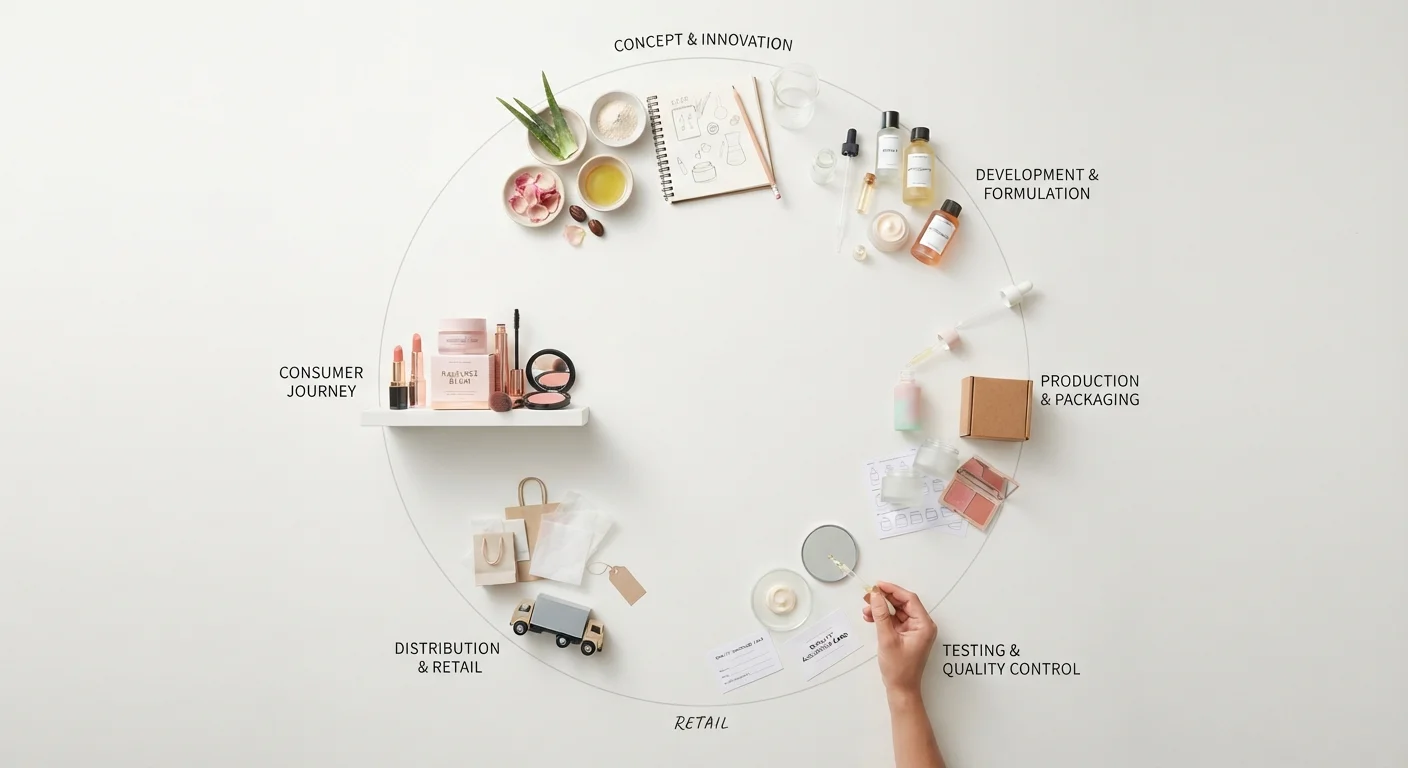
Photo credit: TheBlogZappier.com | Simple Search, Credible Results
In this article
Understand how a beauty trend is born, amplified, and eventually replaced — and what that means for your routine.
Key Takeaways
- Beauty trends typically move through five distinct stages: innovation, editorial pickup, influencer amplification, mass adoption, and saturation.
- Social media platforms have dramatically compressed the time between trend emergence and mainstream adoption.
- Not every viral beauty moment translates into a durable product category or lasting routine shift.
- Knowing a trend's life cycle stage helps you decide whether to invest in it or wait it out.
- Some trends cycle back as 'revivals,' often with updated formulations or reframed cultural context.
Stage One: The Lab and the Forecast Room
Most beauty trends begin not with a viral video, but in a formulation lab or a trend forecasting report. Cosmetic chemists develop new ingredient delivery systems, textures, and active compounds — often years before consumers encounter them. Simultaneously, professional forecasting firms analyze trade show debuts, patent filings, and cultural data to identify directions that the industry is moving toward.
Ingredients like bakuchiol, azelaic acid, and polyglutamic acid all spent years in professional skincare and clinical settings before entering mainstream consciousness. This early stage is largely invisible to consumers, but it shapes everything that follows. The beauty essentials hub provides foundational context on the ingredient categories most likely to move from lab to shelf.
Trend Forecasting Is an Industry
Professional trend forecasting firms — separate from brands and media — sell research subscriptions to beauty companies, retailers, and investors. Their reports draw on trade show observations, social data, consumer sentiment surveys, and cultural analysis. Consumers rarely see this layer of the industry directly, but its outputs shape which products reach development and, eventually, which ones appear on shelves.
Stage Two: Editorial Amplification and Runway Moments
Once an ingredient or technique shows commercial potential, beauty editors and makeup artists working on fashion runways become key amplifiers. A bold graphic liner look debuted at a major fashion week, or a serum highlighted in a beauty magazine's annual ingredient feature, signals to the industry that a concept is ready for consumer attention.
This editorial stage lends credibility and aesthetic framing that raw product launches cannot provide alone. It answers the question consumers implicitly ask: who decides this is worth paying attention to? At this stage, the trend is still relatively niche — enthusiasts and early adopters are engaging, but mass-market awareness is limited. Understanding the difference between a trend at this stage versus one already at peak saturation is explored further in our piece on micro-trends versus macro-trends.
~18 months
Traditional trend cycle from runway to retail
Industry observers have historically estimated that a trend took approximately 18 months to travel from high-fashion editorial contexts to mass-market availability before the widespread adoption of social media platforms.
Weeks
Time for a viral beauty trend to reach mass awareness
With short-form video platforms, beauty trends can reach mass consumer awareness within weeks of a breakout post, a shift widely noted by beauty industry analysts and forecasters.
5 stages
Typical stages in a beauty trend life cycle
Trend forecasters and beauty industry professionals generally identify five core stages: innovation, editorial pickup, influencer amplification, mass adoption, and saturation or decline.
Stage Three: Social Media Acceleration
The most dramatic shift in the modern beauty trend cycle is the role of short-form video platforms. What once took 18 to 24 months to move from industry insiders to mainstream consumers can now happen in weeks. A single demonstration video showing an unexpected product application or an unexpected combination of ingredients can reach millions of viewers overnight.
This acceleration is a double-edged dynamic. On one hand, consumers gain faster access to genuinely useful innovations. On the other, it can be difficult to separate evidence-based product developments from content optimized purely for engagement.
Pause Before the Purchase
When a beauty trend is at peak viral momentum, it is often at or near the saturation stage — meaning early adopters and the industry are already moving on. If a product genuinely addresses something in your routine, that is a valid reason to try it. If the primary appeal is novelty or social currency, waiting a few weeks can help you assess whether the trend has staying power or fades quickly.
Stage Four: Mass Adoption, Saturation, and What Comes Next
When a beauty trend reaches mass-market retail — appearing in drugstore formulations, private-label versions, and every price tier simultaneously — it has entered the adoption phase. This is when most consumers actually encounter it for the first time, even though industry insiders may already be moving on.
Saturation follows adoption closely. The same trend that felt fresh six months ago becomes familiar, then ubiquitous, then — for early adopters — dated. Some trends exit gracefully, becoming permanent features of mainstream routines. SPF in daily moisturizer and double cleansing are examples of trends that matured into standard practice. Others fade quickly once novelty wears off.
Worth noting: product expiry and storage affect whether a trend-driven purchase remains usable over time. If a viral product sits unused for months, its effectiveness may diminish before you return to it. The article on shelf life and expiry in beauty products covers what to check before applying anything that has been sitting on the shelf. For a broader historical view of how trends have moved through these stages across decades, see style and beauty trends through the decades.
“The beauty industry has always been cyclical — what changes is the speed of the cycle and who gets to drive it. Social media has democratized trend-setting in ways that traditional gatekeepers never anticipated.”
— Trend Forecasting Industry Observer, Beauty and Fashion Trend Analyst, widely cited in trade publications
Frequently Asked Questions

Author
Style & Beauty Editorial Team
Style & Beauty Editorial Team is the collective byline for our editorial team and contributor network. Articles published under this byline or an editorial pen name are researched, written, and reviewed according to our editorial standards for clarity, consistency, and independence before publication.
View all articles →