
The Myths Around Dressing for Your Body Type
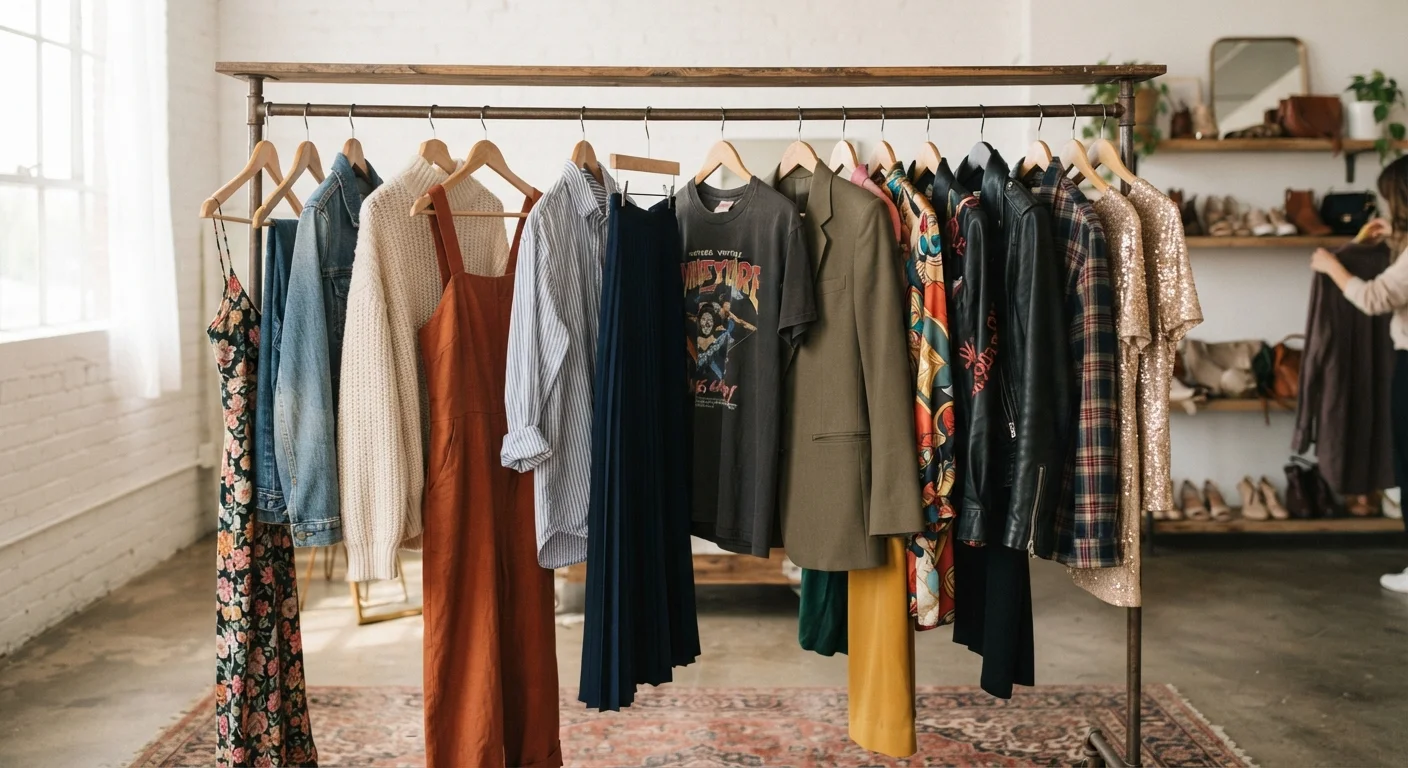
Photo credit: TheBlogZappier.com | Simple Search, Credible Results
In this article
Many body-type dressing rules are outdated and overly prescriptive. Here's what the evidence and lived experience actually suggest instead.
Key Takeaways
- Body-type dressing rules are largely prescriptive conventions, not universal style laws.
- Fit, fabric, and personal comfort are more reliable guides than shape-based formulas.
- Proportion awareness is useful, but it works best when driven by your own preferences.
- Most style rules that restrict certain bodies have no basis in objective fashion principles.
Where Body-Type Rules Came From — and Why They Stuck
The idea that you should dress according to your body shape — hourglass, pear, apple, rectangle — became mainstream fashion advice through mid-20th-century women's magazines and department store styling guides. The system offered a tidy framework for helping people feel confident about dressing, but it came packaged with a key assumption: that the goal of clothing is to make every body appear closer to one idealized silhouette.
That assumption has aged poorly. Contemporary stylists and fashion educators increasingly emphasize that dressing well is about comfort, intention, and proportion — not about concealing or correcting. The body-type framework isn't worthless, but treating its rules as mandatory often produces anxiety rather than confidence. Understanding where these ideas came from makes it easier to take what's useful and leave the rest.
For a broader look at how fit intersects with personal style goals, see our guide to tailored vs. relaxed fit.
Myth
Horizontal stripes make you look wider, so anyone self-conscious about width should avoid them.
Fact
Research into visual perception suggests the relationship between stripes and perceived width is inconsistent and context-dependent.
The idea that horizontal stripes add visual width dates to a simplistic application of optical illusion theory. But studies — including work by vision scientist Peter Thompson — have found that horizontal stripes can actually make a figure appear taller and narrower than vertical stripes under certain conditions. Stripe weight, spacing, garment cut, and surrounding color all affect perception. There is no single rule that applies across all wearers and garments. Wear stripes — or don't — based on whether you like them.
Myth
If you carry weight around your midsection, you should always wear dark colors or loose layers over that area.
Fact
Clothing choice is a personal decision; no single body area requires concealment, and dark colors or draping are techniques rather than requirements.
This rule implies that certain body characteristics need to be hidden — a value judgment embedded in styling advice. In practice, dark colors and relaxed layers are useful tools for specific aesthetic outcomes, such as creating a longer line or a more casual silhouette. They are not obligations. Many people find that well-fitted garments in any color — including light ones — look more considered than oversized cover-ups chosen from obligation rather than preference. Styling choices should serve what you want to communicate, not what you feel you must apologize for.
Myth
Petite individuals should always avoid oversized or voluminous clothing.
Fact
Proportion matters more than absolute size, and many petite people wear volume intentionally and effectively.
The concern behind this rule is that excess volume overwhelms a smaller frame — a legitimate proportion note, not a law. Volume can be balanced rather than avoided: a deliberately oversized top paired with slim trousers, or wide-leg pants with a tucked-in fitted layer, both manage proportion thoughtfully. The key variable is whether the volume is intentional and balanced within the outfit, not whether the wearer is above or below a particular height. Our layering guide covers proportion logic in more detail.
Myth
Your body type determines which clothing silhouettes you should wear.
Fact
Silhouette preference is a matter of personal style, occasion, and proportion — none of which are determined solely by body shape.
Body-type systems assign silhouette recommendations as if shape were destiny. In reality, the same silhouette can work across a wide range of bodies depending on fit, fabric, and styling context. Occasion also matters enormously: a structured A-line dress may work at a formal event regardless of the wearer's shape; a relaxed wide-leg trouser suits casual or creative-professional contexts for similar reasons. Reducing silhouette choice to body category ignores the full range of variables that actually determine whether an outfit works.
Myth
Wearing fitted clothes is always more flattering than wearing loose ones.
Fact
Neither fitted nor loose clothing is inherently more flattering; each serves different aesthetic intentions and occasions.
"Flattering" is not an objective quality — it reflects a particular aesthetic preference, typically one that emphasizes a narrow waist or an elongated line. Relaxed and oversized silhouettes have been central to high fashion and streetwear for decades, and they communicate ease, confidence, and intentionality when worn well. The question is not which is more flattering in the abstract, but which serves your purpose for a given context. For a structured look at how each fit approach functions across occasions, see our tailored vs. relaxed fit article.
What Actually Matters When Clothes Look Good
Once you set aside the prescriptive rules, a few consistent principles emerge from both professional styling practice and research into how people perceive clothing fit.
Fit is the single most influential variable. Garments that align with your actual measurements — at the shoulder, chest, waist, and hem — read as intentional regardless of silhouette. This is why a simple, well-fitted basic often looks more polished than an elaborately styled piece in the wrong size. Our article on why clothes look different at home than in-store explains the environmental factors that distort our fit judgments while shopping.
Proportion is a tool, not a mandate. Balancing volume — say, a fuller trouser with a fitted top — is a genuine styling technique. But it works in multiple directions. A voluminous top over wide-leg trousers can be equally intentional. The principle is internal coherence, not conformity to one silhouette.
Comfort affects how you carry clothing. When clothing is physically comfortable, posture and ease of movement change. That shift is visible and contributes meaningfully to how an outfit reads. Dismissing comfort as vanity misses this practical dimension entirely.
3 in 4
Women report fit as their top purchase factor
According to a Cotton Incorporated Lifestyle Monitor survey, fit consistently ranks as the most important factor women consider when purchasing clothing, above price and style.
~60%
Consumers find standard sizing inconsistent across brands
Industry research from the American Association of Textile Chemists and Colorists has documented significant inconsistency in how size labels correspond to actual garment measurements across US clothing brands.
Building a wardrobe around these principles — rather than rules tied to a body category — tends to produce more versatile, longer-lasting results. For seasonal wardrobe strategy, our comparison of seasonal vs. year-round dressing is a useful companion read.

Author
Style & Beauty Editorial Team
Style & Beauty Editorial Team is the collective byline for our editorial team and contributor network. Articles published under this byline or an editorial pen name are researched, written, and reviewed according to our editorial standards for clarity, consistency, and independence before publication.
View all articles →