
Dress Codes Decoded: What Every Formality Level Actually Means
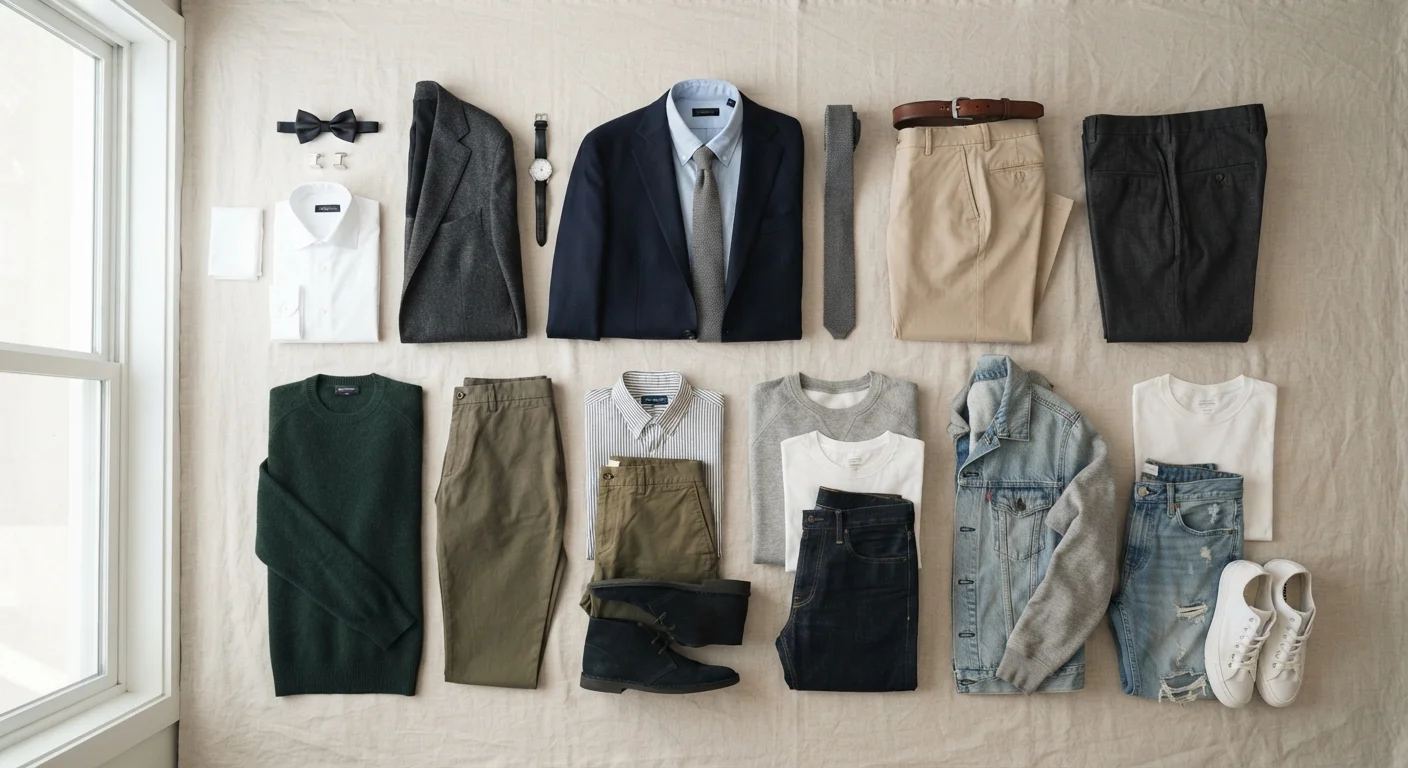
Photo credit: TheBlogZappier.com | Simple Search, Credible Results
In this article
From black tie to smart casual, this guide breaks down what dress codes really mean so you never show up over- or underdressed.
Why Dress Codes Still Matter
Dress codes are shorthand between hosts and guests — a way of communicating the tone, formality, and expectations of an event before anyone walks through the door. Misreading one can mean showing up in a cocktail dress to a beach bonfire, or worse, arriving in jeans at a black-tie gala. Neither is irreparable, but both are avoidable.
The challenge is that dress code language has evolved unevenly. Terms like "smart casual" or "festive attire" are used freely but rarely defined. This guide breaks each major formality level down into what it actually calls for — in plain language, without assumptions about wardrobe size or gender expression.
For context on how fit choices interact with formality, see our piece on tailored vs. relaxed fit — knowing when a structured silhouette serves you is directly relevant to navigating these codes.
| Number of standard formality tiers | 5 core levels |
| Most commonly misread dress code | Smart Casual |
| Rarest formal dress code | White Tie |
| Most versatile semi-formal option | Cocktail / Semi-Formal |
The Five Core Formality Levels Explained
Dress codes generally fall along a spectrum from white tie at the top to casual at the base. Here's what each one signals and what it typically calls for in practice.
White Tie
The most formal Western dress code. Traditionally associated with state dinners and formal balls. Expect full-length gowns or evening suits, tailcoats, and white waistcoats. This code is rare and usually stated explicitly on an invitation.
Black Tie
One step below white tie and far more common for upscale weddings, galas, and awards events. A floor-length or formal midi gown, or a classic tuxedo with a black bow tie, is the expected standard. Velvet, silk, and structured fabrics read appropriately. Sequins and metallics are generally welcome.
Cocktail / Semi-Formal
A versatile midpoint covering everything from engagement parties to evening fundraisers. Knee-to-midi-length dresses, dressy jumpsuits, and tailored suits (with or without a tie) are all appropriate. This is the code where colour choices start to carry real expressive weight.
Smart Casual
Arguably the most misread code on this list. "Smart" modifies "casual" — meaning elevated basics, not relaxed formalwear. Think polished trousers, clean chinos, a blazer over a quality knit, or a midi wrap dress. Athleisure and graphic tees generally fall outside this code.
Casual
No dress code beyond basic appropriateness for the setting. Jeans, sneakers, and relaxed layers are all fine. Context still matters — a casual rooftop dinner reads differently than a backyard cookout. Use the venue and occasion as your guide.
White Tie
The highest Western dress code formality level, traditionally requiring tailcoats for men and full-length formal gowns. Rare outside of state dinners and formal ceremonial events.
Black Tie
A formal dress code one level below white tie, typically calling for tuxedos and floor-length or formal gowns. Commonly requested at upscale weddings and galas.
Cocktail Attire
A semi-formal dress code appropriate for evening events. Generally includes knee-to-midi-length dresses, dressy jumpsuits, or tailored suits.
Smart Casual
An elevated everyday code requiring polished, put-together clothing without full formality. Blazers, tailored trousers, and quality knitwear typically qualify; athletic wear does not.
Business Casual
A professional dress code common in office and daytime professional settings. Collared shirts, blouses, slacks, and closed-toe footwear are standard; distressed denim and sneakers generally are not.
Festive Attire
A celebratory dress code most often associated with holiday events. Typically falls between smart casual and cocktail, welcoming bold colours, sequins, and party-ready separates.
Navigating Ambiguous and Special Codes
Beyond the five core levels, invitations sometimes include codes that aren't part of a standard hierarchy. A few common ones:
- Business Casual: Professional but not formal. Collared shirts, blouses, slacks, and clean footwear are expected. Sneakers and distressed denim typically cross the line.
- Festive Attire: Seasonal and celebratory — holiday parties most commonly. Sequins, jewel tones, and dressy separates are appropriate. It usually lands between smart casual and cocktail.
- Garden Party / Outdoor Formal: Formal enough for a styled event, but with practical considerations. Floral prints, linen, and block-heeled or wedge footwear are sensible choices given uneven terrain.
- Beach Formal / Resort Casual: Elevated beachwear — flowy maxi dresses, linen suits, espadrilles. Swimwear alone doesn't meet this code.
When a code is genuinely unclear, checking with the host or venue is always appropriate. Reading the overall cues of the event — its location, time of day, and cultural context — will guide you further. See how seasonal style shifts can affect what feels appropriate across different times of year.
Understanding garment construction and fabric care also helps you make smarter choices. Our explainer on reading clothing labels walks through fibre content and care instructions so you know what you're working with before an event.
When in Doubt, Err Slightly Formal
If you're genuinely unsure whether an event calls for cocktail or smart casual, it's generally safer to dress slightly above your estimate rather than below. Overdressing at most modern events is easier to adjust — removing a blazer or swapping accessories — than significantly underdressing. When the host or invitation provides no clear guidance, the venue type and event start time are the most reliable signals available.

Author
Style & Beauty Editorial Team
Style & Beauty Editorial Team is the collective byline for our editorial team and contributor network. Articles published under this byline or an editorial pen name are researched, written, and reviewed according to our editorial standards for clarity, consistency, and independence before publication.
View all articles →