
Hyaluronic Acid vs. Glycerin: Two Moisturising Ingredients Compared
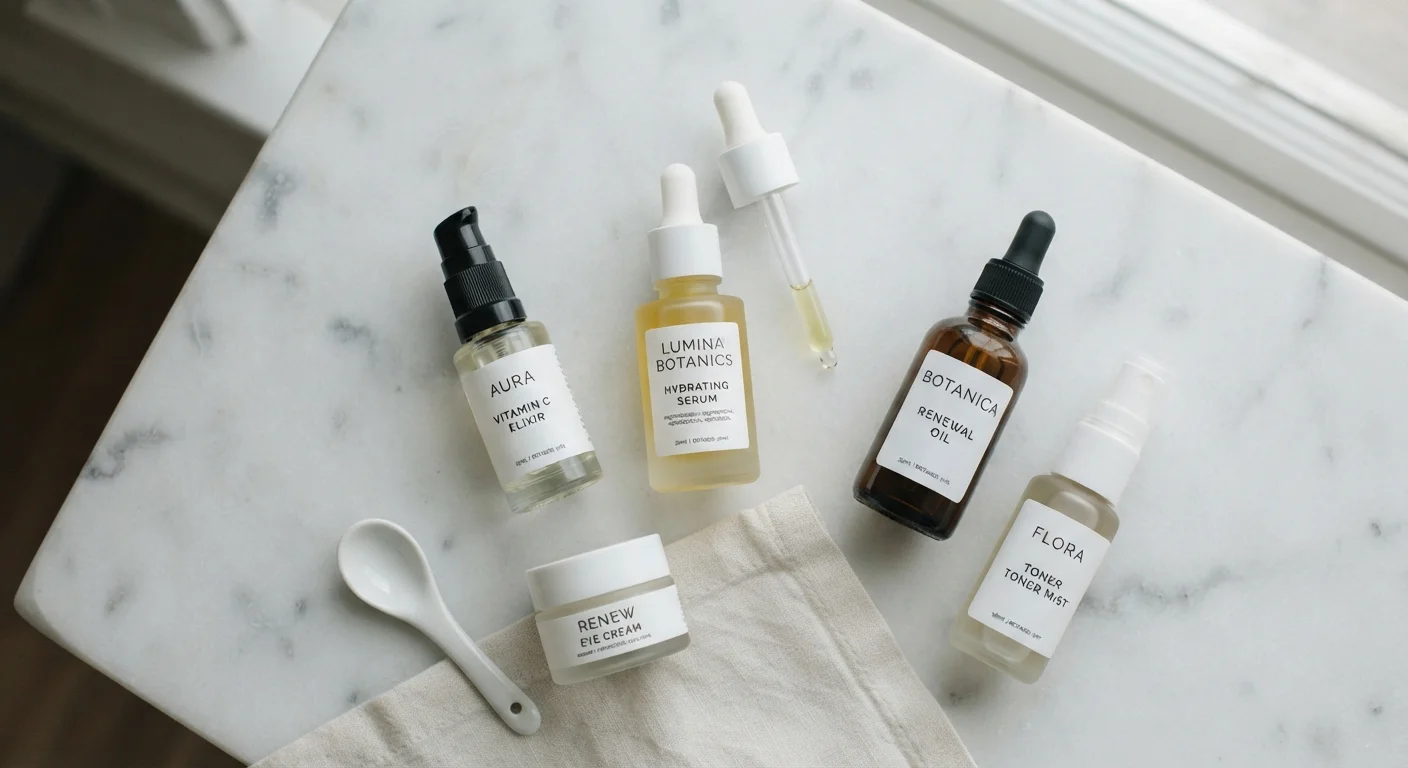
Photo credit: TheBlogZappier.com | Simple Search, Credible Results
In this article
Both are humectants, but they behave differently on skin. Compare hyaluronic acid and glycerin across absorption, texture, and use cases.
Key Takeaways
- Both hyaluronic acid and glycerin are humectants — they attract and hold water in the skin.
- Hyaluronic acid comes in different molecular weights, allowing it to hydrate at multiple skin depths.
- Glycerin is a smaller molecule with a long safety record, making it well-suited to sensitive skin.
- Neither ingredient acts as an occlusive; pairing either with a barrier-sealing ingredient improves moisture retention.
- Both work effectively in serums, moisturisers, and toners — the delivery format matters as much as the ingredient.
What Makes Something a Humectant?
Before comparing these two ingredients, it helps to understand what a humectant actually does. Humectants are hygroscopic substances — meaning they attract water molecules from the surrounding environment or from deeper layers of skin, then hold them in the outermost layer (the stratum corneum). The result is softer, more supple skin with improved texture.
Critically, humectants do not seal moisture in on their own. Without an occlusive ingredient layered over them — such as a wax, oil, or silicone — the water they attract can evaporate. That's why both hyaluronic acid and glycerin tend to perform best as part of a wider routine rather than as standalone solutions. For a broader look at how common actives interact, see our guide to skincare ingredients.
| Criterion | Hyaluronic Acid | Glycerin |
|---|---|---|
| Ingredient type | Polysaccharide (sugar-based polymer) | Polyol (simple sugar alcohol) |
| Molecular size | Variable (low to high weight) | Small, consistent |
| Skin penetration depth | Surface to upper epidermis | Stratum corneum (surface layer) |
| Texture on skin | Light, watery, minimal residue | Can feel tacky at high concentrations |
| Barrier support | Indirect (via hydration) | Direct lipid-barrier reinforcement |
| Performance in low humidity | May draw from dermis if dry | More stable across humidity levels |
| Typical use concentration | 0.1–2% | 5–15% |
| Sensitivity risk | Very low | Very low |
Hyaluronic Acid: Molecular Weight and Skin Depth
Hyaluronic acid (HA) is a naturally occurring polysaccharide found in connective tissue, skin, and eyes. In skincare, it's synthesised via fermentation. What distinguishes HA from most humectants is that it's manufactured at varying molecular weights — typically categorised as high, medium, and low.
High-molecular-weight HA sits on the surface, forming a film that temporarily plumps and smooths. Low-molecular-weight HA can penetrate slightly deeper into the epidermis. Some formulations use a combination, described as multi-weight or cross-linked HA, to hydrate at several levels simultaneously.
1,000x
Water weight HA can hold relative to its own mass
This figure is widely cited in cosmetic chemistry literature to illustrate HA's exceptional water-binding capacity.
~50%
Of skin's natural HA lost by age 40
Dermatology research indicates hyaluronic acid levels in skin decline measurably with age, contributing to reduced plumpness.
One practical consideration: in very low-humidity environments, HA may pull water from the dermis rather than the air, potentially leaving skin more dehydrated. Applying it to damp skin and following with a moisturiser mitigates this effect.
Glycerin: Simple Structure, Reliable Results
Glycerin (also spelled glycerol) is a small, simple polyol molecule derived from plant oils or synthetic processes. It's one of the most studied humectants in cosmetic science, with decades of safety and efficacy data behind it.
Because of its small size, glycerin penetrates the stratum corneum readily and draws water from deeper skin layers and the environment with consistent efficiency. It also has mild emollient properties, contributing to a softening effect beyond basic hydration. Research published in dermatology literature has noted glycerin's role in supporting the skin's natural lipid barrier function — a meaningful secondary benefit that plain water or some other humectants don't offer.
Its main drawback is textural: at high concentrations, glycerin can feel sticky or tacky on skin, which is why most formulations use it at modest levels (typically 5–15%). If you're curious about how humectants appear across different product types, our breakdown of serums, essences, and ampoules explains how concentration and texture vary by format.
Reading Ingredient Lists for These Humectants
Hyaluronic acid may appear as 'sodium hyaluronate' on an ingredient list — this is the salt form and is commonly used due to its stability. Glycerin is typically listed simply as 'glycerin' or 'glycerol'. Both are usually listed in descending order of concentration, so their position on the label indicates roughly how much is present in the formula.
Choosing Between Them — or Using Both
In practice, these two ingredients are not mutually exclusive. Many well-formulated moisturisers and serums contain both, leveraging HA's depth-targeting properties alongside glycerin's barrier-supportive action. If choosing only one, the decision typically comes down to skin type, climate, and texture preference.
For oily or combination skin, lightweight HA serums tend to feel less heavy than glycerin-rich formulas. For dry or sensitive skin, glycerin-inclusive products may offer more reliable comfort with less risk of irritation. In dry or cold climates, both benefit from being sealed with a richer moisturiser. The same layering logic that applies here also appears in the context of exfoliant choices — actives work best when the rest of the routine supports the skin barrier.
Neither ingredient requires special handling, and both are generally considered safe for all skin types. As always, individual responses vary; if you notice persistent irritation from any skincare ingredient, consulting a dermatologist is the appropriate step.
This article is for general informational purposes only and does not constitute medical or dermatological advice. Consult a qualified skincare professional for personalised guidance.

Author
Style & Beauty Editorial Team
Style & Beauty Editorial Team is the collective byline for our editorial team and contributor network. Articles published under this byline or an editorial pen name are researched, written, and reviewed according to our editorial standards for clarity, consistency, and independence before publication.
View all articles →