
Raw Feeding for Pets: What Proponents Claim and What Vets Caution
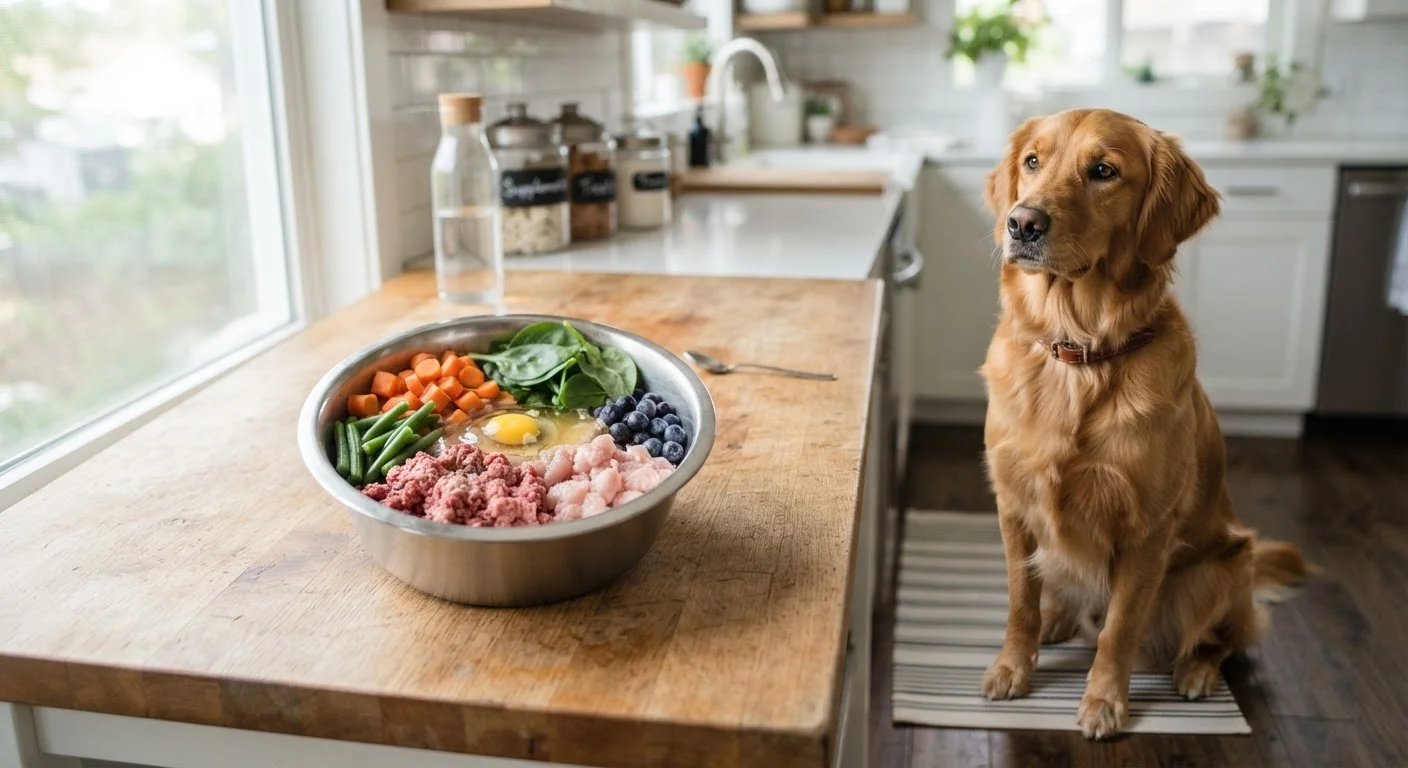
Photo credit: TheBlogZappier.com | Simple Search, Credible Results
In this article
A balanced look at the argued benefits and documented risks of raw meat diets for dogs and cats.
Key Takeaways
- Raw diets consist of uncooked meat, bones, and organs, sometimes supplemented with vegetables or fruits.
- Proponents cite benefits like improved coat condition and digestion, but these claims have limited clinical backing.
- Veterinary organizations flag serious risks including bacterial contamination and nutritional imbalance.
- Immunocompromised pets and people in the household face elevated health risks from raw feeding.
- Any diet change should be discussed with a licensed veterinarian before implementation.
Owners report improved coat condition and skin health
Many raw feeders observe shinier coats and reduced itching in their pets. While these reports are widespread, controlled clinical studies confirming a direct causal link remain limited.
Higher moisture content compared to dry kibble
Raw meat is naturally high in moisture, which may support kidney function and urinary tract health, particularly in cats who are often poor drinkers. This mirrors a known advantage of wet food.
Fewer processing additives and preservatives
Raw diets contain no synthetic preservatives or high-heat processing byproducts. For owners concerned about ultra-processed ingredients, this is an appeal — though it also means no pathogen reduction.
Potential for greater diet customization
A carefully formulated raw diet can be tailored to an individual animal's protein sensitivities or health needs under veterinary nutritionist supervision, offering flexibility not always available in commercial options.
Documented risk of bacterial contamination
The FDA has confirmed Salmonella and Listeria in commercial raw pet foods. These pathogens can spread through pet feces and food handling, creating a measurable public health risk for households.
High rate of nutritional imbalance in home-prepared diets
Multiple peer-reviewed studies have found that the majority of home-formulated raw diets do not meet established nutrient profiles, risking deficiencies in calcium, phosphorus, zinc, and essential vitamins.
Raw bones pose physical injury risks
Whole or fragmented raw bones can cause tooth fractures, gastrointestinal perforations, and choking. These injuries may require emergency veterinary treatment.
Greater risk to immunocompromised pets and people
Pets undergoing chemotherapy, those with liver disease, or young puppies and kittens have reduced ability to fight foodborne pathogens. Young children and immunocompromised people in the home face elevated cross-contamination risk.
Significant time, cost, and food-safety demands
Sourcing, preparing, and safely storing raw meals requires considerably more effort and expense than commercial diets, and demands rigorous hygiene practices throughout.
What Raw Feeding Actually Involves
Raw feeding — often called a BARF diet or prey-model diet — involves giving pets uncooked muscle meat, raw meaty bones, organ meat, and sometimes raw eggs, dairy, or produce. Commercial frozen raw products exist alongside fully home-prepared versions.
Unlike processed kibble or canned food, raw diets are not heat-treated, which proponents argue preserves natural enzymes and nutrients. However, it also means no kill step exists to reduce harmful pathogens. Understanding this distinction matters before weighing the evidence on either side. For a side-by-side look at how processed options compare, see how kibble and wet food affect your pet's health.
Owners report improved coat condition and skin health
Many raw feeders observe shinier coats and reduced itching in their pets. While these reports are widespread, controlled clinical studies confirming a direct causal link remain limited.
Higher moisture content compared to dry kibble
Raw meat is naturally high in moisture, which may support kidney function and urinary tract health, particularly in cats who are often poor drinkers. This mirrors a known advantage of wet food.
Fewer processing additives and preservatives
Raw diets contain no synthetic preservatives or high-heat processing byproducts. For owners concerned about ultra-processed ingredients, this is an appeal — though it also means no pathogen reduction.
Potential for greater diet customization
A carefully formulated raw diet can be tailored to an individual animal's protein sensitivities or health needs under veterinary nutritionist supervision, offering flexibility not always available in commercial options.
What Veterinary and Regulatory Bodies Caution
Major veterinary organizations — including the American Veterinary Medical Association (AVMA) and the American Animal Hospital Association (AAHA) — have issued formal position statements discouraging raw protein diets due to documented public health and animal health risks.
74%
Home-prepared raw diets lacking nutritional balance
A 2019 study in the Journal of Nutritional Science found that about 74% of home-prepared raw diets for dogs and cats did not meet established AAFCO nutrient profiles.
7 in 10
Commercial raw samples with detectable pathogens in FDA surveys
FDA sampling has repeatedly found Salmonella or Listeria contamination in commercially sold raw pet food products, highlighting consistent microbial safety concerns.
The U.S. Food and Drug Administration (FDA) has found Salmonella and Listeria monocytogenes in commercially produced raw pet food during routine testing. These bacteria can shed in pet feces and contaminate household surfaces, posing risk to human family members — particularly children, elderly individuals, and those who are immunocompromised.
Nutritional incompleteness is another documented concern. Studies published in peer-reviewed veterinary journals have found that a significant proportion of home-prepared raw diets fail to meet AAFCO (Association of American Feed Control Officials) nutrient profiles. To understand what complete and balanced labeling actually requires, see what the AAFCO statement on pet food packaging means.
Documented risk of bacterial contamination
The FDA has confirmed Salmonella and Listeria in commercial raw pet foods. These pathogens can spread through pet feces and food handling, creating a measurable public health risk for households.
High rate of nutritional imbalance in home-prepared diets
Multiple peer-reviewed studies have found that the majority of home-formulated raw diets do not meet established nutrient profiles, risking deficiencies in calcium, phosphorus, zinc, and essential vitamins.
Raw bones pose physical injury risks
Whole or fragmented raw bones can cause tooth fractures, gastrointestinal perforations, and choking. These injuries may require emergency veterinary treatment.
Greater risk to immunocompromised pets and people
Pets undergoing chemotherapy, those with liver disease, or young puppies and kittens have reduced ability to fight foodborne pathogens. Young children and immunocompromised people in the home face elevated cross-contamination risk.
Significant time, cost, and food-safety demands
Sourcing, preparing, and safely storing raw meals requires considerably more effort and expense than commercial diets, and demands rigorous hygiene practices throughout.
Practical Considerations Before Deciding
If you're exploring raw feeding, context matters considerably. A young, healthy adult dog with no immune conditions faces different considerations than a senior cat with chronic kidney disease or a puppy still developing its immune response. Veterinary guidance is essential before making changes.
Food safety practices are non-negotiable if raw feeding is pursued: separate preparation surfaces, thorough handwashing, prompt refrigeration, and preventing pets from licking faces after eating. These steps reduce — but do not eliminate — contamination risk.
Raw feeding also demands nutritional vigilance. Home-prepared diets in particular carry a high rate of imbalance. A board-certified veterinary nutritionist can formulate a recipe that genuinely meets your pet's needs. This is a higher-effort and often higher-cost commitment than commercial diets. For comparison, home-cooked pet meals have their own nutritional completeness standards worth understanding.
Special Populations Require Extra Caution
Pets who are pregnant, nursing, very young, elderly, or living with chronic illness are at higher risk from both nutritional gaps and pathogen exposure associated with raw diets. If any household member — human or animal — is immunocompromised, veterinary and medical professionals should be consulted before introducing raw feeding. This is general guidance; individual circumstances vary significantly.
For broader context on evaluating any pet food, the pet nutrition labels decoded guide walks through what ingredient lists and guaranteed analyses actually tell you.
This article provides general educational information about pet nutrition and is not a substitute for professional veterinary advice. Always consult a licensed veterinarian before changing your pet's diet.

Author
Pets & Animals Editorial Team
Pets & Animals Editorial Team is the collective byline for our editorial team and contributor network. Articles published under this byline or an editorial pen name are researched, written, and reviewed according to our editorial standards for clarity, consistency, and independence before publication.
View all articles →