
Grain-Free Pet Diets: Separating the Evidence from the Marketing
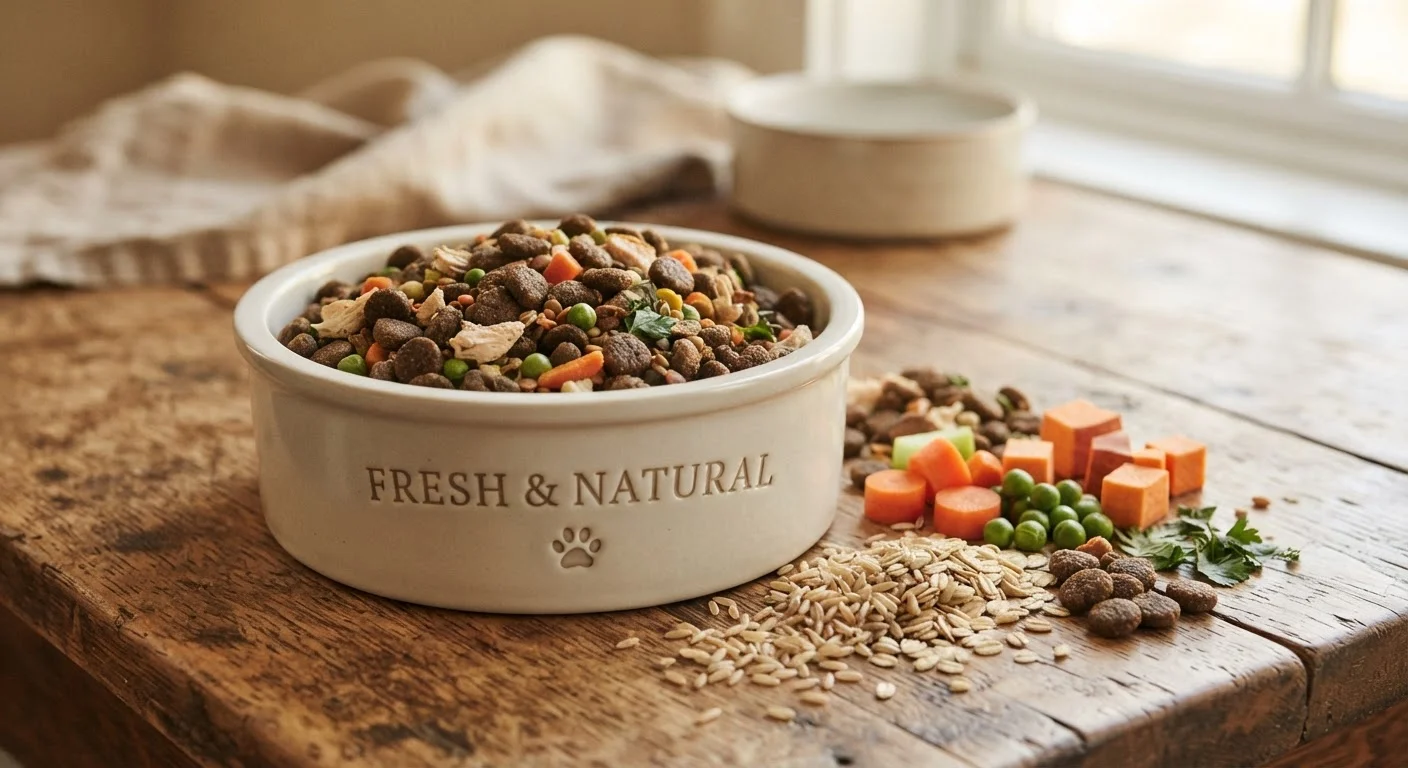
Photo credit: TheBlogZappier.com | Simple Search, Credible Results
In this article
Unpack common claims around grain-free pet food, what research actually says, and when a grain-free diet may be appropriate.
Key Takeaways
- Grains are not inherently harmful to dogs or cats and are digestible by most healthy pets.
- The FDA investigated a possible link between grain-free diets and canine dilated cardiomyopathy (DCM), though causation remains unconfirmed.
- True grain allergies in pets are rare; protein sources are far more common allergen triggers.
- A veterinarian or veterinary nutritionist should guide any decision to switch to a grain-free diet.
Why Grain-Free Pet Food Became So Popular
Walk down any pet food aisle and you will find shelves stacked with bags boasting "grain-free" in large, confident lettering. The marketing pitch is familiar: grains are fillers, wolves don't eat wheat, and removing carbohydrates is a path to a leaner, healthier pet. For many owners, this story is compelling — especially when paired with a premium price tag that implies superior quality.
The grain-free trend accelerated in the early 2000s alongside parallel human dietary movements like low-carb and paleo eating. Manufacturers responded to consumer demand, and grain-free formulas now account for a significant portion of the premium pet food market. But consumer demand is not the same as nutritional science. Understanding what the evidence actually says — rather than what packaging implies — helps pet owners cut through the noise. For a deeper look at how labels can mislead or inform, see our guide on what pet food labels actually tell you.
Myth
Grains are just cheap fillers with no nutritional value for pets.
Fact
Grains provide digestible carbohydrates, fiber, and micronutrients that contribute meaningfully to a balanced pet diet.
The word "filler" implies an ingredient with no purpose, but grains such as rice, oats, and barley supply energy, B vitamins, and dietary fiber that support digestion. Research shows that dogs can digest cooked grains quite efficiently — a meaningful evolutionary adaptation linked to their long history living alongside humans. The inclusion of a grain does not make a food lower in quality; overall nutrient balance and ingredient sourcing matter far more than any single ingredient category.
Myth
Dogs are carnivores, so they have no biological need for carbohydrates.
Fact
Dogs are omnivores and can digest and utilize carbohydrates effectively, unlike obligate carnivores such as cats.
Genetic studies have identified that dogs developed additional copies of the amylase gene (AMY2B) compared to wolves, which improves their ability to digest starch. While dogs do not require carbohydrates as an essential nutrient in the same way they require protein and fat, carbohydrates can serve as an efficient energy source and support gut health through fermentable fibers. Framing dogs as pure carnivores misrepresents their biology and sets a false premise for grain-free marketing claims.
Myth
If my pet has allergies, grain-free food will solve the problem.
Fact
True grain allergies in pets are uncommon; the most frequent food allergens for dogs and cats are animal proteins like beef, chicken, and dairy.
Food sensitivities and allergies do exist in pets, but dermatological and gastrointestinal research consistently identifies proteins — not grains — as the most common culprits. Beef, dairy, chicken, and lamb are among the most frequently reported allergens in dogs. Diagnosing a food allergy requires a strict dietary elimination trial under veterinary supervision, not a switch to a grain-free commercial diet that still contains multiple protein sources. Changing to grain-free food without a proper diagnosis may not address the actual allergen at all.
Myth
Grain-free diets are automatically safer or more natural because they mimic ancestral eating.
Fact
"Natural" and "ancestral" are marketing concepts, not regulated nutritional standards, and grain-free formulas introduce their own nutritional trade-offs.
Wild canine diets were opportunistic, highly variable, and certainly not engineered for long-term health optimization. Modern companion animals live very different lives from their wild ancestors and benefit from diets formulated to meet current nutritional science standards. When grains are removed from pet food, they are typically replaced with legumes and potatoes — ingredients that introduce their own nutritional considerations and that the FDA has flagged in ongoing DCM research. Naturalness is not a reliable proxy for safety or nutritional completeness.
Myth
A grain-free diet won't affect my dog's heart health because the FDA never proved a link.
Fact
The FDA investigation into grain-free diets and DCM remains active, and the absence of confirmed causation does not mean the association has been ruled out.
Scientific investigations take time, and "not yet proven" is meaningfully different from "proven safe." Veterinary cardiologists have reported cases where dogs on grain-free, legume-heavy diets developed DCM and showed improvement after returning to grain-inclusive diets — though individual cases cannot establish population-level causation. Given the uncertainty, many veterinary organizations recommend discussing this risk with your vet before choosing or continuing a grain-free diet, particularly for breeds already predisposed to heart disease.
What the Research Says About Grain-Free Diets and Heart Health
One of the most important developments in the grain-free debate came in 2018, when the U.S. Food and Drug Administration (FDA) announced it was investigating a potential connection between grain-free diets and dilated cardiomyopathy (DCM) — a serious heart condition — in dogs. The investigation focused on diets high in legumes (peas, lentils, chickpeas) and potatoes, which commonly replace grains in these formulas.
Don't Switch Diets Without Veterinary Guidance
If your dog is a breed predisposed to dilated cardiomyopathy — such as Doberman Pinschers, Great Danes, or Boxers — the grain-free and DCM question is especially relevant. Discuss your pet's current diet with your veterinarian before making any change. Symptoms of DCM can include lethargy, reduced exercise tolerance, and coughing; these warrant prompt veterinary evaluation, not a dietary experiment.
As of the time of this writing, the FDA has not established a definitive causal link, and research is ongoing. Some cardiologists and veterinary nutritionists suspect that low levels of the amino acid taurine may play a role, potentially influenced by the ingredient composition of certain grain-free diets. Other researchers point to more complex nutritional interactions. The science is genuinely unsettled, which is precisely why the conversation with your veterinarian matters so much before making dietary changes.
For context on how diet categories differ in their formulations and purposes, our overview of commercial pet food diet categories provides a useful framework.
~90%
of pet food allergies caused by proteins, not grains
Veterinary dermatology literature consistently identifies animal-source proteins as the dominant food allergen trigger in dogs and cats, not grains.
524+
DCM cases reported to FDA linked to diet
Between January 2014 and April 2019, the FDA received over 524 reports of diet-associated DCM in dogs, the majority involving grain-free formulas high in legumes.
When Grain-Free Diets May Be Appropriate
Despite the marketing overreach, there are legitimate situations where a grain-free diet may be recommended — but these are narrower than advertising suggests. A veterinarian might consider a grain-free formula for a pet with a confirmed grain sensitivity (verified through an elimination diet trial, not assumed) or a pet who has shown genuine intolerance symptoms tied to a specific ingredient that happens to be a grain.
Cats have different nutritional needs than dogs. As obligate carnivores, cats have limited ability to process large quantities of carbohydrates, though this does not make all grains harmful to them in typical pet food quantities. Any diet change for a cat should be evaluated in the context of their overall nutritional profile, not just one ingredient category.
Reading the AAFCO statement on a pet food label remains one of the most reliable ways to evaluate whether a diet — grain-free or otherwise — meets established nutritional standards. Our article on reading the AAFCO statement on pet food packaging walks through what "complete and balanced" really means. If you are also curious about how ingredient lists are structured, pet nutrition labels decoded offers plain-language guidance.
This article is for general informational and educational purposes only. It is not veterinary advice. Always consult a licensed veterinarian or veterinary nutritionist before making significant changes to your pet's diet, particularly if your pet has an existing health condition.

Author
Pets & Animals Editorial Team
Pets & Animals Editorial Team is the collective byline for our editorial team and contributor network. Articles published under this byline or an editorial pen name are researched, written, and reviewed according to our editorial standards for clarity, consistency, and independence before publication.
View all articles →