
Socialising a New Puppy: A Room-by-Room, Week-by-Week Framework
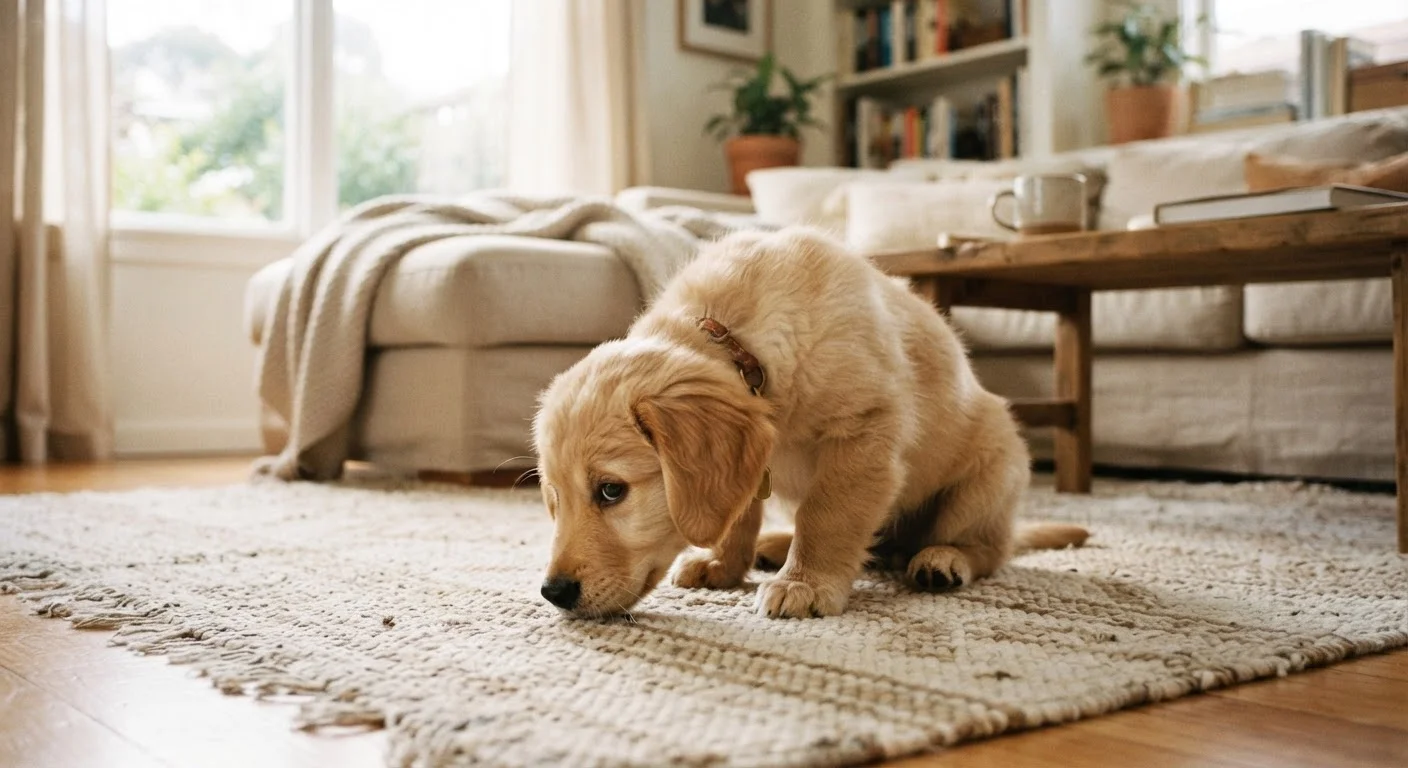
Photo credit: TheBlogZappier.com | Simple Search, Credible Results
In this article
Early socialisation shapes a dog's temperament for life. This structured guide walks you through safe exposure stages during the critical development window.
Key Takeaways
- The critical socialisation window for puppies runs roughly from 3 to 14 weeks of age.
- Positive, low-pressure exposure to everyday sights, sounds, and people builds lasting emotional resilience.
- A room-by-room approach prevents overwhelm by introducing novelty in small, manageable doses.
- Watch for stress signals — a puppy that shuts down is not learning; it is coping.
- Outdoor socialisation should be balanced with vaccination status; consult your vet on timing.
- Consistency and short, frequent sessions outperform long, infrequent exposure events.
Why the Socialisation Window Matters
Between roughly 3 and 14 weeks of age, a puppy's brain is primed to absorb experiences and form lasting associations. During this critical developmental window, novel things encountered calmly are more likely to be filed away as normal. The same exposure after the window closes requires far more repetition and patience to achieve a similar effect.
Puppies that miss adequate socialisation are more likely to develop fear-based behaviours, reactivity, and anxiety as adults — not because they are badly behaved, but because their nervous systems never learned that everyday life is manageable. Think of socialisation as building a mental library of "things that are fine."
Before you start, make sure the basics of your puppy's care routine are in place. Our new pet care plan guide covers vet visits, safe spaces, and daily routines that support everything you'll do in the socialisation process.
Socialisation window
The developmental period — roughly 3 to 14 weeks in puppies — during which the brain is most receptive to forming positive associations with new experiences.
Desensitisation
A gradual process of exposing a puppy to a stimulus at low intensity until it no longer causes a stress response, then slowly increasing the intensity over time.
Calming signals
Subtle body language behaviours — like yawning, lip-licking, or looking away — that dogs use to communicate stress or a desire to de-escalate a situation.
Positive association
When a puppy links something new (a sound, person, or surface) with something pleasant (a treat or praise), making that thing feel safe and familiar.
Trigger threshold
The point at which a stimulus becomes intense enough to cause a visible fear or stress response in a dog; keeping exposures below this threshold supports positive learning.
Week 1–2: Settling Into the Home Environment
Resist the urge to invite a crowd over the moment your puppy arrives. The first two weeks should prioritise calm familiarity over variety. Let your puppy map out the home on their own terms, with you nearby as a safe base.
- Introduce one room at a time rather than giving free run of the house immediately.
- Allow the puppy to approach family members rather than being passed around.
- Keep voices and movements gentle; sudden loud noises or rushing children can create early negative associations.
- Let the puppy rest frequently — sleep is essential for neural development.
If you have other pets at home, take introductions slowly. Our step-by-step pet introduction guide outlines a behaviour-aware process that reduces conflict and protects both animals.
Short Sessions Work Best
Keep early socialisation sessions to 5–15 minutes. Puppies have limited emotional stamina, and a session that ends on a positive note is far more valuable than one that continues until the puppy shuts down. Several brief exposures per day produce better results than one extended session.
Room-by-Room Exposure Guide
Once your puppy seems settled in their initial area, begin a deliberate, room-by-room introduction to the rest of the home. Each room brings new textures, smells, sounds, and surfaces — all valuable socialisation material without leaving the house.
- Kitchen
- Introduce appliance sounds gradually: the fridge hum, the dishwasher, the kettle. Let the puppy investigate at their own pace. Reward calm curiosity with quiet praise.
- Bathroom
- The shower, bath, and hairdryer are common sources of adult dog fear. Short, positive visits here — treat in hand — build tolerance early.
- Hallway and stairs
- Stairs require both physical confidence and nerve. Use treats to encourage exploration; never push or carry a frightened puppy up steps.
- Garden or yard
- Grass, gravel, mud, and wind are all new sensory experiences. Supervised outdoor time in your own secure space is safe before vaccinations are complete.
Pairing this with a properly introduced crate gives your puppy a reliable retreat when stimulation becomes too much — a critical part of preventing overwhelm.
Week 3–4: People, Sounds, and Light Outdoor Exposure
With a base of home familiarity established, gradually widen the circle. The goal now is varied, positive contact with different people and an expanding soundscape.
- People: Aim for your puppy to meet a range of individuals — different ages, sizes, and appearances. Ask visitors to crouch down, offer a treat, and let the puppy approach first.
- Sounds: Play recordings of traffic, thunderstorms, babies crying, and crowd noise at low volume during calm activities like feeding. This is called sound desensitisation and is widely recommended by veterinary behaviour professionals.
- Outdoor carries: Before full vaccination, carry your puppy outdoors in your arms or a carrier to experience the sights and sounds of the street, cars, and strangers without ground-level disease risk.
Puppy Classes: What to Look For
A good puppy class limits group size, requires proof of vaccination, and uses positive reinforcement methods only. Classes that allow rough play or use punishment-based techniques can do more harm than good during this sensitive period. Ask to observe a session before enrolling.
See our first 30 days checklist to make sure vet visits and microchipping are on track alongside your socialisation plan.
Week 5–8: Building Confidence Beyond the Front Door
Once your vet confirms it is appropriate based on your puppy's vaccination schedule, begin structured outings. The aim is quality of experience over quantity of exposure.
- Choose quiet times for early walks — avoid busy dog parks initially.
- Let your puppy sniff and observe without being rushed along.
- Introduce different surfaces: pavement, grass, gravel, metal grates, wooden decking.
- Attend a well-run puppy class where dogs are health-screened — this combines socialisation with early learning in a safe setting.
- Expose your puppy to vehicles, cyclists, and skateboards from a comfortable distance, rewarding calm observation.
Keep feeding and rest schedules consistent during this busier phase. Our guide on puppy feeding schedules explains how meal timing supports stable energy and focus during training and socialisation sessions.
Don't Skip Vaccination Guidance
Never take a puppy to high-traffic dog areas — such as dog parks or popular walking trails — before their vaccination course is appropriately advanced. Parvovirus and other diseases can be contracted from contaminated ground even without direct dog contact. Your vet is the right person to confirm when it is safe to expand your puppy's outdoor world.
Recognising Stress Signals and Pacing Correctly
Effective socialisation is positive exposure — not simply exposure. A puppy pushed past their comfort threshold is learning fear, not confidence. Learning to read your puppy's body language is as important as the socialisation plan itself.
Signs a puppy is coping well
- Relaxed, loose body posture
- Investigating with nose and eyes at their own pace
- Accepting treats readily
- Returning to you for reassurance, then re-engaging
Signs a puppy is overwhelmed
- Yawning, lip-licking, or turning away (calming signals)
- Trembling, tucked tail, or flattened ears
- Refusing food (a reliable early stress indicator)
- Freezing or attempting to flee
When you see these signals, calmly move your puppy away from the trigger. Do not comfort excessively — instead, create distance and allow the puppy to settle. If fear responses are frequent or intense, speak to your vet or a certified professional dog trainer rather than pushing through independently.
For the full picture of new puppy care, including first-time feeding guidance, our companion articles cover each part of a well-balanced routine.
This article provides general educational information about puppy socialisation and is not a substitute for personalised advice from a qualified veterinarian or certified animal behaviourist. If you have concerns about your puppy's behaviour or health, consult a licensed professional.
Frequently Asked Questions

Author
Pets & Animals Editorial Team
Pets & Animals Editorial Team is the collective byline for our editorial team and contributor network. Articles published under this byline or an editorial pen name are researched, written, and reviewed according to our editorial standards for clarity, consistency, and independence before publication.
View all articles →