
Introducing a New Pet to a Resident Animal: A Step-by-Step Approach
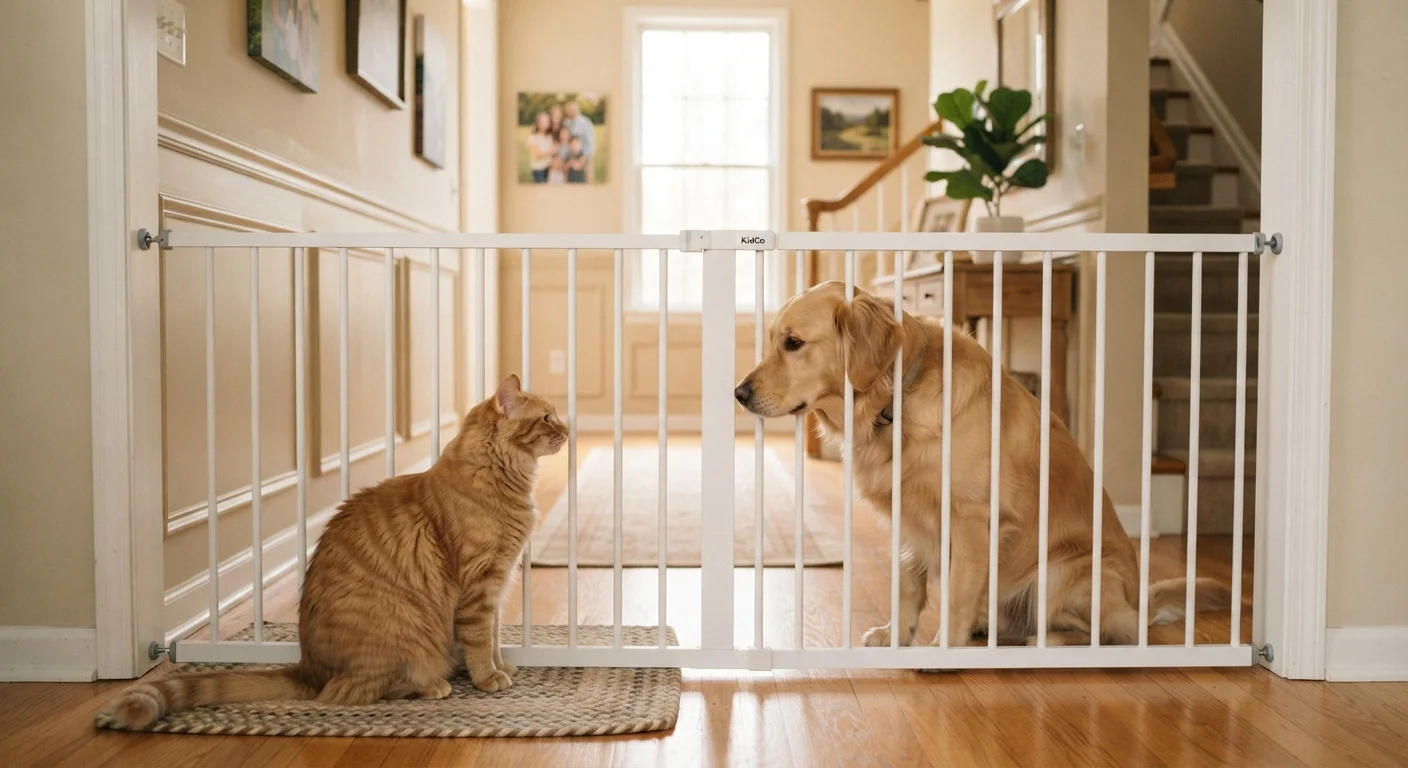
Photo credit: TheBlogZappier.com | Simple Search, Credible Results
In this article
Rushed introductions between pets can cause lasting conflict. Follow this gradual, behaviour-aware process to give new and existing animals the best start together.
Key Takeaways
- Rushed introductions are a leading cause of lasting inter-pet conflict — patience is essential.
- Each phase of introduction relies on scent before sight, and sight before direct contact.
- Resident animals should never feel their resources or territory are threatened by the newcomer.
- Signs of stress in either animal are a signal to slow down, not push through.
- Most successful integrations take days to weeks, not hours.
Why Gradual Introductions Matter
Animals are territorial by nature, and the arrival of a new pet disrupts the established order of a home. A resident dog or cat has spent time mapping its environment, claiming resources, and building routines. Introducing a stranger — even a friendly one — triggers instinctive protective responses that, if mishandled, can escalate into lasting aggression or chronic stress.
Behaviour research consistently shows that the most successful multi-pet relationships are built through gradual, low-pressure exposure over time. Each phase of the process allows both animals to form associations — smell, sound, sight, then contact — without feeling trapped or threatened. Skipping phases to speed things up is the single most common mistake owners make.
If you are also working through the broader settling-in process, the new pet checklist for the first 30 days covers vet registration, microchipping, and feeding setup in parallel. For puppy-specific socialisation guidance, see our week-by-week puppy socialisation framework.
What you will need
What You'll Need Before You Start
Preparation before the new animal arrives makes each introduction phase smoother. Gather your tools and set up the new pet's room in advance so you are not improvising under pressure on day one.
Baby gate or mesh barrier
Allows animals to see and smell each other safely without physical contact during visual introduction phases.
Separate food and water bowls
Prevents resource guarding and conflict during mealtimes across both animals.
Soft cloths for scent transfer
Used to exchange scents between animals before they meet face to face.
Treats for positive reinforcement
Rewards calm, non-reactive behaviour from both animals during each introduction phase.
Pheromone diffuser (species-appropriate)
Synthetic calming pheromones may help reduce ambient stress levels in the home during the transition.
Scent Swapping Speeds Up Familiarity
During the separation phase, rub a clean cloth on each animal's facial area and place it near the other animal's resting spot. Allowing each pet to investigate the other's scent in their own time — without any pressure — builds passive familiarity that meaningfully reduces tension when visual contact begins.
The Step-by-Step Introduction Process
Follow these steps in order. Resist the urge to skip ahead — each phase builds the foundation for the next. The timeline is a guide, not a deadline; let your animals' behaviour drive the pace.
Set Up a Separate Space for the New Pet
Before bringing the new animal home, prepare a dedicated room with everything it needs: food, water, bedding, a litter box (for cats), and enrichment items. This space is the new pet's safe zone and prevents any immediate territorial clash with the resident animal.
Keep the door closed. The resident animal should be able to sniff under the door but have no access inside. This passive scent exchange is the first step of the introduction process.
Begin Scent Swapping
After 24–48 hours of separation, use a soft cloth to gently rub around the new pet's face and neck, then place it near the resident animal's resting spot. Repeat in reverse. Do this daily for two to three days before any visual contact.
Watch how each animal reacts to the cloth. Calm sniffing and moving away is positive. Prolonged hissing, growling, or ignoring food nearby suggests you should extend this phase.
Introduce Scent More Directly Through Space Swapping
Once both animals react neutrally to scent cloths, allow each to explore the other's space while the other is temporarily elsewhere. This lets them investigate at their own pace — encountering smells, sleeping spots, and objects — without the pressure of a direct encounter.
Limit these swaps to 10–15 minutes and return each animal to its own space afterwards. Repeat over two to three days.
Allow Visual Contact Through a Barrier
Use a baby gate, cracked door, or mesh barrier to allow the animals to see each other for the first time. Keep sessions short — two to three minutes initially — and stay present throughout. Reward both animals with treats and calm praise for relaxed or neutral behaviour.
Gradually increase session length over several days as both animals remain composed. Neither animal should be forced to stay near the barrier.
Move to Supervised Shared Space
Only when both animals consistently display neutral or positive body language through the barrier should you allow them into a shared space together. Choose a neutral room — not one the resident animal guards strongly. Keep both animals on leads or in a controlled environment if possible.
Allow them to move toward each other naturally. Do not force proximity. End the session before tension builds, while both animals are still calm. Repeat daily, extending duration gradually.
Maintain Separate Resources Throughout
Even after successful introductions, continue providing separate food and water stations, resting spots, and (for cats) litter boxes. Competition over shared resources is one of the most common causes of inter-pet tension — even between animals that otherwise coexist peacefully.
For more on managing space and territory in a multi-pet home, see our guide on managing space and resources in multi-pet households.
Never Force a Face-to-Face Meeting
Forcing animals together before they are ready can trigger aggression, fear responses, or lasting aversion that is very difficult to reverse. If either animal shows sustained growling, hissing, lunging, or freezing, separate them immediately and return to an earlier phase. Consult a certified animal behaviourist if hostility persists beyond the early stages.
Watch for Stress Signals at Every Stage
Flattened ears, tucked tails, piloerection (raised fur), prolonged staring, or refusal to eat are all signs that an animal is overwhelmed. Do not interpret a lack of overt aggression as comfort — a frozen or hyper-vigilant pet is also stressed. Always return to the previous phase if these signals appear and hold that phase for longer before progressing.
After the Introduction: What Comes Next
A calm first meeting does not mean the relationship is fully established. Animals continue to negotiate their social dynamic over weeks and months. Expect occasional tension, particularly around feeding time, doorways, and sleeping spots — these are normal pressure points that require ongoing management rather than a one-time fix.
Continue to monitor body language during shared time, maintain separate resources, and provide each animal with adequate individual attention. A pet that feels overlooked since the newcomer arrived is more likely to redirect frustration toward the other animal.
For a comprehensive look at day-to-day management across a multi-pet household — including feeding logistics, zoning, and territory — visit our article on multi-pet households. For general health and routine guidance, the Pet Care Basics hub covers the essentials across all common pet types.
This article provides general behavioural guidance for educational purposes only. If either animal displays serious aggression, injury, or severe distress, consult a qualified veterinarian or certified animal behaviourist promptly.

Author
Pets & Animals Editorial Team
Pets & Animals Editorial Team is the collective byline for our editorial team and contributor network. Articles published under this byline or an editorial pen name are researched, written, and reviewed according to our editorial standards for clarity, consistency, and independence before publication.
View all articles →