
Feeding a Dog for the First Time: A Practical Starting Point
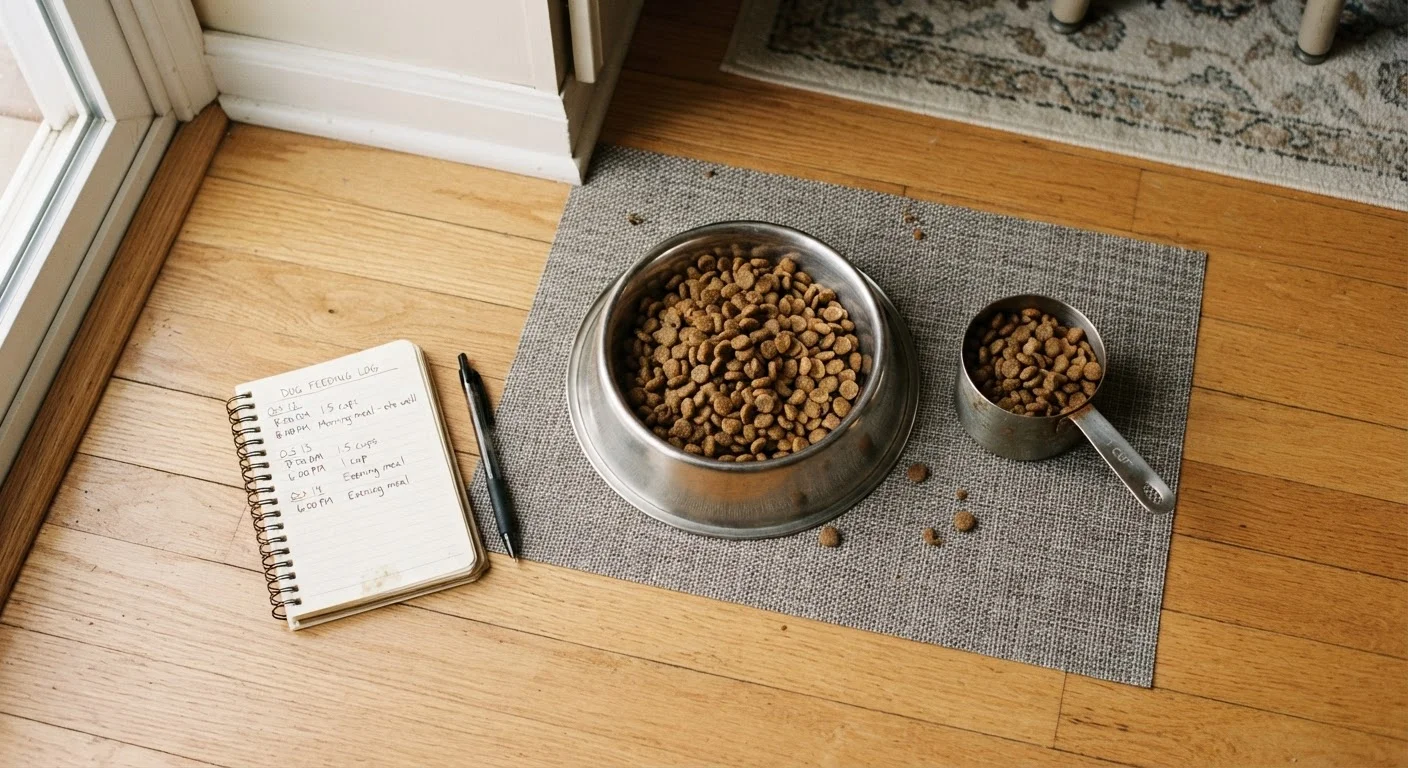
Photo credit: TheBlogZappier.com | Simple Search, Credible Results
In this article
New dog owner? Understand portion sizes, feeding schedules, life-stage nutrition, and how to transition foods safely.
Key Takeaways
- Look for an AAFCO nutritional adequacy statement on any dog food you choose.
- Puppies, adults, and seniors have meaningfully different caloric and nutrient needs.
- Feeding guides on packaging are starting points — your dog's ideal portion depends on weight, activity, and health.
- Transition new foods gradually over 7–10 days to prevent digestive upset.
- Several common human foods — including grapes, onions, and xylitol — are toxic to dogs.
Reading a Pet Food Label
Pet food packaging carries more useful information than most new owners realize — if you know where to look. The most important thing to find is the AAFCO nutritional adequacy statement. This tells you whether the food is formulated to meet established nutrient profiles for a specific life stage, or whether it was validated through actual feeding trials. If a label lacks this statement, the food may not provide complete nutrition on its own.
Beyond that, focus on three areas:
- Ingredient list: Ingredients are listed by weight before processing. A named meat source (such as chicken or beef) appearing near the top is generally a positive sign, though ingredient order alone doesn't tell the whole nutrition story.
- Guaranteed analysis: This shows minimum percentages of crude protein and fat, and maximum percentages of fiber and moisture. Use it to compare foods within the same format (e.g., dry-to-dry), since moisture content makes wet and dry foods hard to compare directly.
- Life stage designation: Labels specify whether a food is intended for growth (puppies), maintenance (adults), all life stages, or senior dogs. Matching the food to your dog's actual stage matters more than many owners expect.
For a broader look at how to interpret nutrition information, this introduction to nutrition basics provides a helpful foundation.
AAFCO statement
A label declaration confirming that a pet food meets nutrient standards set by the Association of American Feed Control Officials for a specific life stage. It's the clearest signal that a food is nutritionally complete.
Life stage
The phase of a dog's life — puppy, adult, or senior — that determines its specific nutritional needs. Foods are formulated to match these different requirements.
Guaranteed analysis
A section on a pet food label that lists minimum or maximum percentages of key nutrients like protein, fat, fiber, and moisture.
Body condition score
A practical assessment of a dog's weight and fat coverage — typically rated on a 1–9 scale — used to judge whether a dog is underweight, healthy, or overweight.
Crude protein
A measurement of the total nitrogen-containing compounds in a food, used as a proxy for protein content on guaranteed analysis panels.
Free-feeding
Leaving food available to a pet at all times rather than offering set meals. This approach can make it difficult to monitor how much a dog is actually eating.
Life-Stage Nutrition: Why It Matters
Dogs don't have uniform nutritional needs across their lives. A growing puppy, an active adult, and a slowing senior require meaningfully different balances of calories, protein, calcium, and phosphorus.
- Puppies
- Need higher protein and fat to fuel rapid development, plus precise calcium-to-phosphorus ratios for healthy bone formation. Large-breed puppies in particular should eat food formulated specifically for large breeds — excess calcium can actually disrupt bone growth in these dogs.
- Adult dogs
- Maintenance-formula foods are designed for stable weight and moderate activity. Caloric needs vary significantly based on breed, size, and how active the dog actually is day-to-day.
- Senior dogs
- Older dogs often benefit from lower-calorie formulas to offset reduced activity, along with joint-supporting nutrients. However, some seniors need more protein to maintain muscle mass — this is an area where a vet's input is particularly valuable.
For a detailed breakdown of how needs shift at each stage, see feeding schedules across life stages.
Portion Sizes and Feeding Schedules
The feeding guide on a food bag is a reasonable starting point, but it's not a precise prescription for your individual dog. Those guides are typically based on average dogs at average activity levels — your dog may need more or less.
A practical approach:
- Start with the manufacturer's recommended amount for your dog's current weight.
- Assess body condition every few weeks: you should be able to feel your dog's ribs without pressing hard, and see a slight waist from above.
- Adjust portion up or down by 10% increments and reassess after two to three weeks.
For feeding frequency, most adult dogs do well with two meals per day. Puppies under six months generally need three to four smaller meals. Free-feeding (leaving food out all day) tends to make portion control difficult and can contribute to weight gain in many dogs.
Use a Measuring Cup, Not a Scoop
Many owners estimate portions by eye or use the food's included scoop — but these methods are consistently imprecise. A standard dry measuring cup gives you a repeatable baseline to work from. Even a 20% daily overestimate adds up significantly over weeks and months.
Why portion size is the most overlooked part of pet feeding explores this topic in depth, including how treats factor into daily caloric intake.
How to Transition Foods Safely
Switching foods abruptly — even to a higher-quality option — commonly causes vomiting, loose stools, or refusal to eat. Dogs' digestive systems adapt better with a gradual changeover over 7 to 10 days.
A standard transition schedule:
| Days | Old Food | New Food |
|---|---|---|
| 1–3 | 75% | 25% |
| 4–6 | 50% | 50% |
| 7–9 | 25% | 75% |
| 10+ | 0% | 100% |
Dogs with sensitive stomachs may need an even slower transition. If your dog shows persistent diarrhea, vomiting, or complete food refusal during a transition, consult your veterinarian before continuing.
Keep a Record of the Previous Food
Before you start a transition, note the exact name and formula of your dog's current food. Rescue dogs, recently adopted dogs, or dogs from breeders may have been eating something specific, and knowing this prevents confusion if digestive issues arise mid-transition. Your vet may also want this information.
Foods to Avoid and When to Call a Vet
Some common human foods are dangerous — and in some cases life-threatening — for dogs. The following are established veterinary-recognized toxins:
- Grapes and raisins: Can cause acute kidney failure; the toxic compound is not yet fully identified, making any amount potentially dangerous.
- Onions, garlic, and chives: Damage red blood cells and can lead to anemia, even in small repeated doses.
- Chocolate and caffeine: Contain methylxanthines that affect the heart and nervous system; dark chocolate and baking chocolate pose the highest risk.
- Xylitol: An artificial sweetener found in sugar-free gum, certain peanut butters, and baked goods — causes rapid insulin release and can lead to liver failure.
- Macadamia nuts: Cause weakness, vomiting, tremors, and fever.
- Alcohol and raw bread dough: Both can cause dangerous blood sugar drops and other systemic effects.
If your dog eats any of these, don't wait for symptoms. Contact your veterinarian or the ASPCA Animal Poison Control Center right away. Time is a significant factor in treatment outcomes for most toxin exposures.
Never Assume 'Natural' Means Safe
Some naturally occurring foods — grapes, onions, certain nuts — are toxic to dogs despite being harmless to humans. Don't offer table scraps without first confirming the ingredients are dog-safe. When in doubt, check with your vet before introducing any new human food.
Building a complete first-month care plan — including emergency vet contacts — is covered in the first pet care plan guide. The new pet checklist is also a useful reference for the settling-in period.
This article provides general information for educational purposes and is not a substitute for advice from a licensed veterinarian. Always consult a qualified veterinary professional regarding your individual dog's health, diet, and nutritional needs.
Frequently Asked Questions

Author
Pets & Animals Editorial Team
Pets & Animals Editorial Team is the collective byline for our editorial team and contributor network. Articles published under this byline or an editorial pen name are researched, written, and reviewed according to our editorial standards for clarity, consistency, and independence before publication.
View all articles →