
Reading a Nutrition Label Without the Confusion
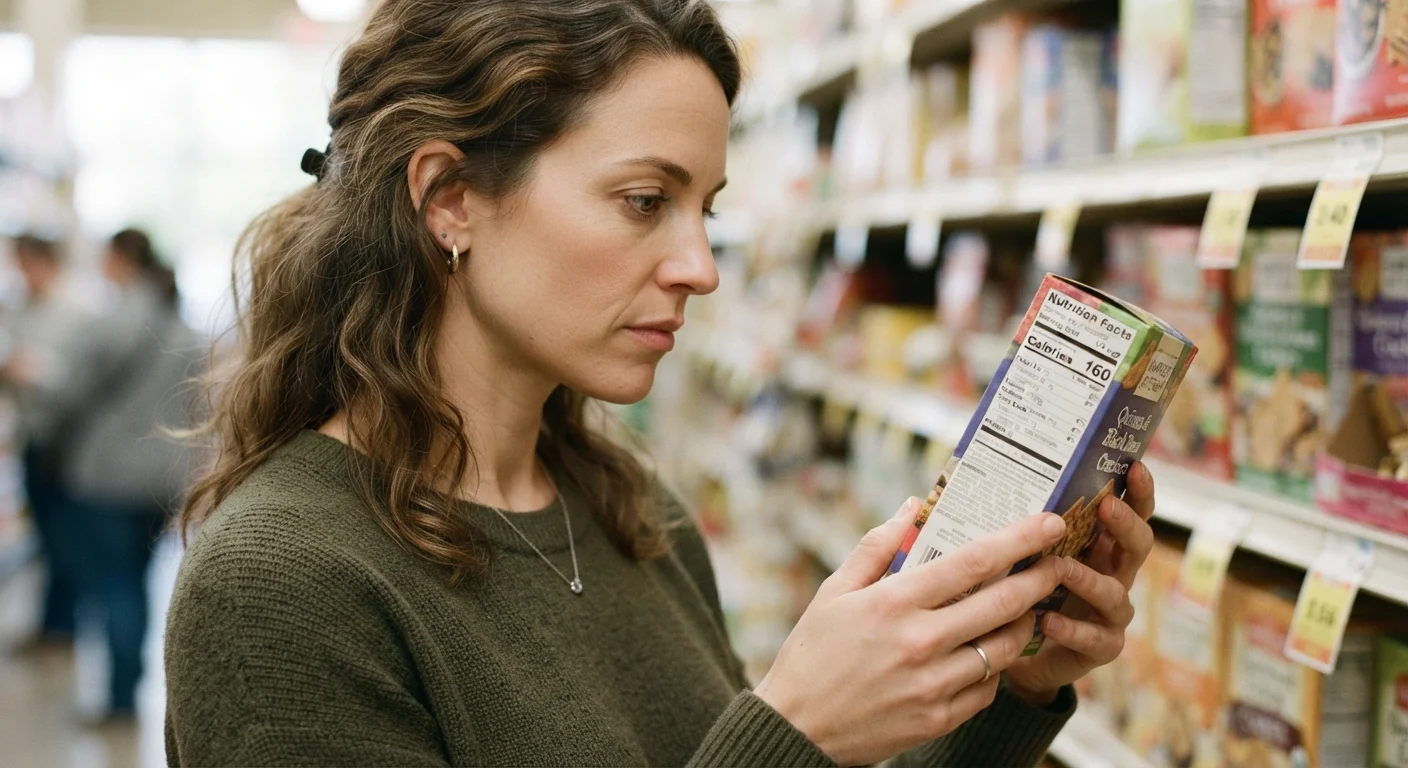
Photo credit: TheBlogZappier.com | Simple Search, Credible Results
In this article
A practical walkthrough of what every section of a food nutrition label means and how to use that information when shopping.
Key Takeaways
- Serving size is the anchor for every number on the label - always check it first.
- Percent Daily Value (%DV) tells you how a nutrient fits into a 2,000-calorie reference diet.
- Aim to limit saturated fat, sodium, and added sugars; prioritize fiber, vitamins, and minerals.
- The ingredient list is ordered by weight - the first few ingredients dominate the product.
- Nutrition labels are a tool for comparison, not a verdict on a food's overall healthfulness.
Why Nutrition Labels Exist - and What They're Designed to Do
The Nutrition Facts label is a federally standardized panel required on most packaged foods sold in the United States, governed by the Food and Drug Administration (FDA). Its purpose is straightforward: give consumers consistent, comparable information so they can make informed food choices. The current label format, updated in 2016 and phased in through 2020, reflects advances in nutrition science - most notably the addition of a dedicated Added Sugars line and larger, bolder calorie type.
Knowing how to read the label efficiently is useful far beyond calorie awareness. As our article Why Calorie Counting Tells an Incomplete Story explores, calories are only one dimension of food quality. The label provides a richer picture - if you know where to look.
What you will need
How to Read a Nutrition Label Step by Step
Work through the label from top to bottom. Each section builds on the last, and skipping ahead - especially past serving size - leads to common misinterpretations.
Check the Serving Size and Servings Per Container
Every number on the label - calories, fat, sodium, everything - refers to one serving, not the entire package. The serving size is listed in common household units (e.g., "2/3 cup") alongside a gram weight. If a bag of chips lists 150 calories per serving but contains 3 servings, eating the whole bag delivers 450 calories.
Serving sizes are standardized by the FDA based on amounts people typically eat, called RACCs. They are not dietary recommendations - they are reference units for comparison.
Note the Calories
Calories measure the total energy one serving provides from fat, carbohydrate, and protein combined. The updated FDA label displays this number prominently in large type. Use calories as a general orientation, but avoid treating them as the sole metric of nutritional value - a 200-calorie serving of nuts and a 200-calorie serving of a sugary snack deliver very different nutrients.
Review Nutrients to Limit
The label highlights three nutrients most Americans consume in excess:
- Saturated fat: Linked to cardiovascular risk when consumed in high amounts; current dietary guidelines suggest limiting intake.
- Sodium: High intake is associated with elevated blood pressure in many individuals.
- Added sugars: Distinct from naturally occurring sugars in fruit or dairy, added sugars contribute calories with minimal nutritional benefit.
Trans fat also appears on some labels; dietary guidelines recommend keeping trans fat intake as low as possible.
Identify Nutrients to Get Enough Of
Below the nutrients to limit, the label lists nutrients many Americans under-consume:
- Dietary fiber: Supports digestive health and is associated with reduced risk of several chronic conditions.
- Vitamin D and calcium: Important for bone health.
- Iron: Essential for red blood cell function.
- Potassium: Plays a role in blood pressure regulation.
Look for foods that contribute meaningfully to these nutrients as part of a varied diet.
Use Percent Daily Value (%DV) as a Compass
%DV shows how much of a nutrient one serving contributes toward a reference daily intake based on a 2,000-calorie diet. It is a general benchmark - individual calorie and nutrient needs vary by age, sex, activity level, and health status.
Use the 5%/20% rule of thumb: 5% DV or below is low; 20% DV or above is high. This scale helps you quickly identify whether a product is a significant source of fiber or a high-sodium option.
Compare Like Products Side by Side
The most practical use of a nutrition label is comparison. When choosing between two pasta sauces or two cereals, align the serving sizes and scan sodium, fiber, and added sugars simultaneously. This relative comparison often reveals differences that front-of-package claims don't highlight.
Once you're comfortable reading labels on your own, you can apply these skills more broadly. Our guide to grocery shopping with nutrition in mind shows how to use label-reading as part of a practical store strategy.
The Ingredient List: A Different Kind of Information
The ingredient list sits below the Nutrition Facts panel and operates by a separate logic. Ingredients are listed in descending order by weight - meaning the first ingredient makes up the largest proportion of the product. If refined flour or added sugar appears within the first two or three entries of a food marketed as nutritious, that's meaningful context.
Watch for sugar under its many names: high-fructose corn syrup, cane juice, dextrose, maltose, and others all contribute to total added sugars. Our article on added sugar vs. natural sugar explains why where sugar comes from matters for your overall diet.
Long Ingredient Lists Aren't Automatically Bad
A long ingredient list may simply reflect multiple spices or vitamins - not poor nutritional quality. Conversely, a short list doesn't guarantee a nutritious product. Focus on what the first few ingredients are and whether recognizable whole-food components appear near the top, rather than counting entries.
For a deeper look at how packaged and minimally processed foods differ structurally, see Whole Foods vs. Processed Foods.
Putting It All Together at the Store
Nutrition labels become most useful when used comparatively - holding two similar products side by side and evaluating them on the nutrients most relevant to your dietary goals. There's no single number that makes a food good or bad. Context matters: a higher sodium count in a canned bean may still represent a reasonable trade-off given that product's fiber, protein, and iron content.
The %DV scale gives you a fast shortcut: 5% DV or less is generally considered low for a nutrient; 20% DV or more is considered high. Use these thresholds to quickly gauge whether a product is a meaningful source of fiber or vitamin D, or whether it's delivering a large share of your daily sodium allowance in one serving.
For nutrients the label doesn't capture - like phytonutrients and antioxidants found in whole foods - the panel tells only part of the story. Explore nutrient density and micronutrients at a glance to round out your understanding of food quality beyond the panel.
This article provides general nutrition education and is not a substitute for personalized dietary advice. Consult a registered dietitian or qualified healthcare professional for guidance tailored to your individual health needs.

Author
Health & Wellness Editorial Team
Health & Wellness Editorial Team is the collective byline for our editorial team and contributor network. Articles published under this byline or an editorial pen name are researched, written, and reviewed according to our editorial standards for clarity, consistency, and independence before publication.
View all articles →