
Nutrient Density: The Concept That Changes How You Think About Food
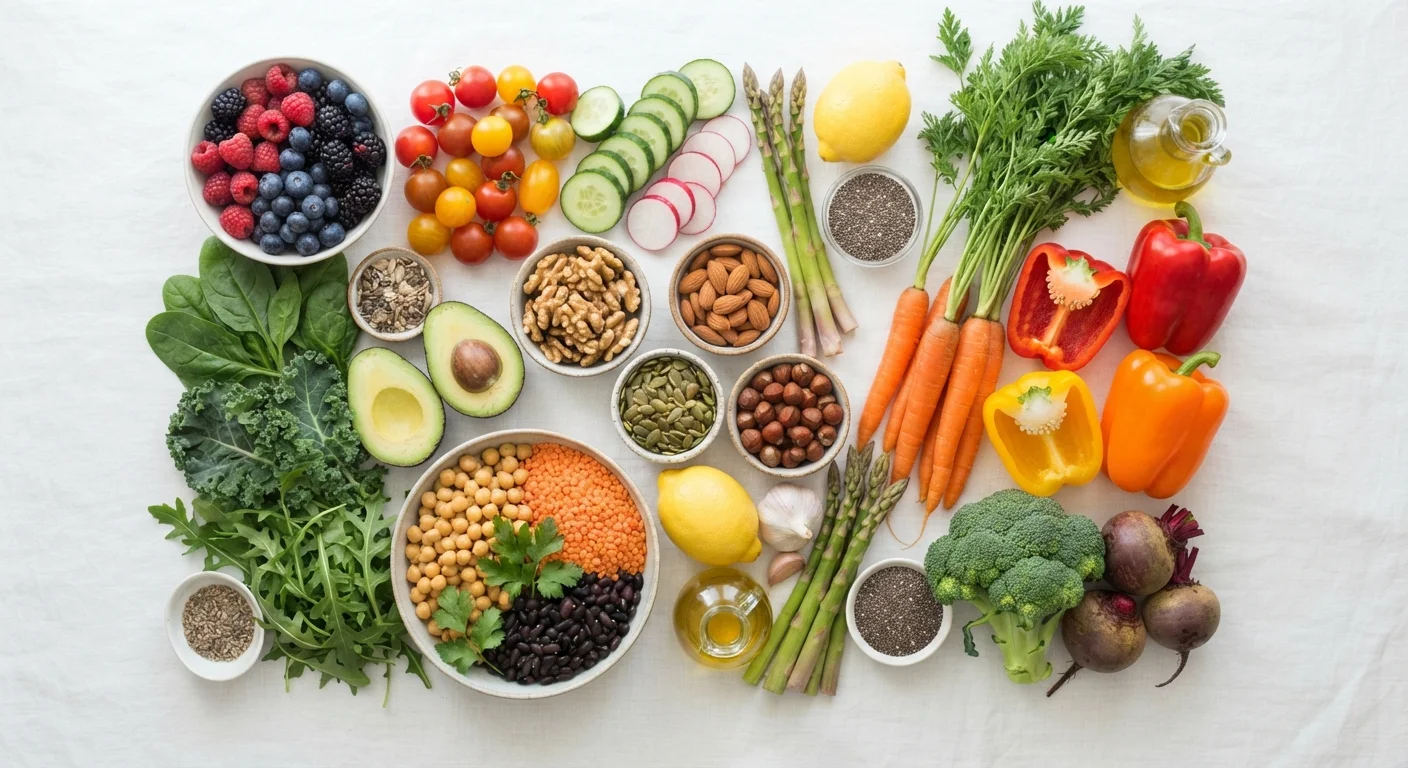
Photo credit: TheBlogZappier.com | Simple Search, Credible Results
In this article
Nutrient density helps you think beyond calories to understand which foods deliver the most nutritional value per bite.
Key Takeaways
- Nutrient density measures nutritional value per calorie, not just calorie count alone.
- Whole foods like leafy greens, legumes, and berries tend to rank highest in nutrient density.
- Ultra-processed foods often deliver calories with limited vitamins, minerals, or fiber.
- Thinking in terms of nutrient density can simplify food choices without requiring calorie counting.
- A varied diet of nutrient-dense foods supports long-term health more than any single superfood.
Why Calories Alone Don't Tell the Whole Story
For decades, public health messaging focused heavily on calories - eat less, burn more. While energy balance does matter, that framing misses something important: not all calories deliver the same nutritional payload. Two foods can have identical calorie counts while differing dramatically in what they actually contribute to your health.
This is where nutrient density becomes a genuinely useful concept. Rather than asking "how many calories does this have?", nutrient density shifts the question to "what do I get for those calories?" That reframing changes how you evaluate everything from a lunchtime salad to a packaged snack.
If you're new to nutrition concepts, understanding nutrient density is one of the most practical starting points - it applies across virtually every food choice without requiring you to memorize detailed nutritional data.
~57%
of US adult calories from ultra-processed foods
Research published in BMJ Open estimated that ultra-processed foods account for more than half of daily calorie intake among US adults, foods that tend to rank low in nutrient density.
90%+
of Americans under-consume vegetables daily
According to the CDC's analysis of dietary data, the vast majority of US adults do not meet federal vegetable intake recommendations - a key source of nutrient-dense calories.
1 in 10
US adults meet fruit and vegetable guidelines
A CDC report found only about 1 in 10 American adults consume the recommended daily amounts of both fruits and vegetables, which are foundational nutrient-dense food groups.
What Nutrient Density Actually Measures
Nutrient density captures the concentration of beneficial nutrients - including vitamins, minerals, dietary fiber, and quality protein - relative to the number of calories a food contains. Foods that score well provide a lot of these beneficial components without an excessive calorie cost.
Consider spinach: a large serving contains meaningful amounts of vitamin K, folate, iron, and magnesium for very few calories. Compare that to a serving of a sweetened, refined-grain snack that delivers similar or greater calories but minimal vitamins, minerals, or fiber. Spinach is nutrient-dense; the processed snack generally is not.
It's worth noting that nutrient density isn't a single official score printed on packaging - it's a conceptual tool. You can deepen your practical understanding by learning to read a nutrition label, which reveals exactly what a serving provides and at what calorie cost.
A Simple Mental Shortcut for Everyday Decisions
When evaluating a food, ask yourself: "What does this provide beyond energy?" If the honest answer is "not much," that's a signal it's low in nutrient density. This question doesn't need to be applied perfectly at every meal - it's most useful as a general guide for habitual choices.
Foods That Consistently Rank High in Nutrient Density
While no single food is nutritionally complete on its own, certain categories reliably deliver strong nutritional value relative to calories:
- Leafy greens (spinach, kale, Swiss chard): rich in vitamins A, C, K, and folate
- Legumes (lentils, chickpeas, black beans): high in protein, fiber, iron, and B vitamins
- Berries: concentrated sources of vitamin C, antioxidants, and dietary fiber
- Eggs: provide high-quality protein alongside choline and multiple B vitamins
- Fatty fish (salmon, sardines, mackerel): deliver omega-3 fatty acids, vitamin D, and selenium
- Nuts and seeds: calorie-dense but rich in healthy fats, magnesium, and vitamin E
A diet built around variety across these categories naturally trends toward higher nutrient density. Dietary fiber deserves particular attention - it's a nutrient most people consistently under-consume, yet it's abundant in many nutrient-dense foods.
Putting Nutrient Density Into Practice
Applying this concept doesn't require a nutrition degree or a food tracking app. A few practical habits make a measurable difference:
- Fill half your plate with vegetables and fruits at most meals - this alone substantially raises your diet's overall nutrient density.
- Choose whole grains over refined grains where possible; the fiber, B vitamins, and minerals are largely retained in the whole form.
- Read labels with nutrient density in mind - look for meaningful contributions of vitamins and minerals, not just low calorie counts.
- Vary your proteins across plant and animal sources to capture different micronutrient profiles.
For more structured guidance, sustainable eating patterns offer an evidence-informed framework that goes beyond individual food swaps. And when grocery shopping, a nutrient-aware shopping approach can help translate this concept directly into what ends up in your cart.
“The quality of calories matters as much as the quantity. Choosing foods that are rich in nutrients relative to their energy content is one of the most consistent themes across the world's healthiest dietary patterns.”
— Walter Willett, Professor of Epidemiology and Nutrition, Harvard T.H. Chan School of Public Health
This article is for general informational and educational purposes only and does not constitute medical or dietary advice. Consult a registered dietitian or qualified healthcare professional for guidance tailored to your individual health needs.
Frequently Asked Questions

Author
Health & Wellness Editorial Team
Health & Wellness Editorial Team is the collective byline for our editorial team and contributor network. Articles published under this byline or an editorial pen name are researched, written, and reviewed according to our editorial standards for clarity, consistency, and independence before publication.
View all articles →