
Tyre Care Myths That Could Be Costing You
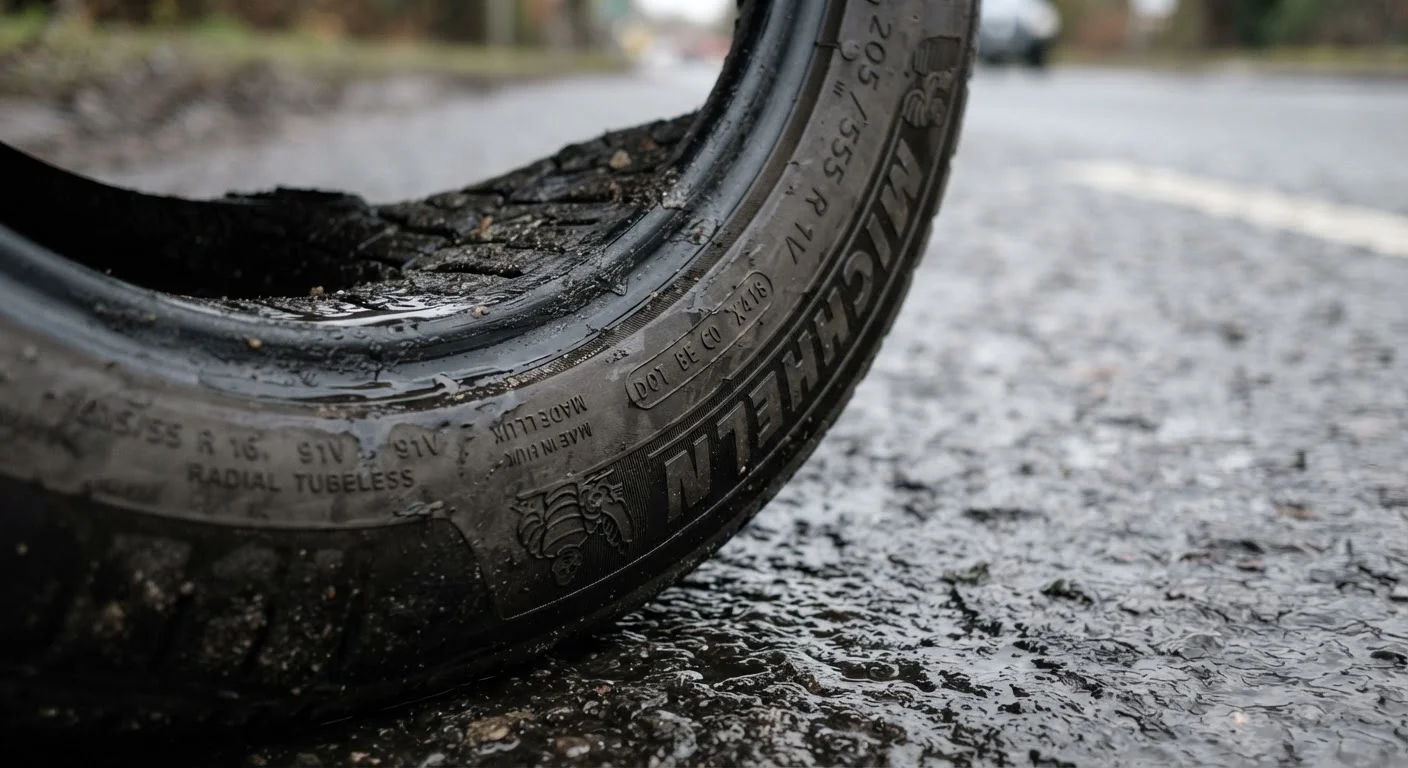
Photo credit: TheBlogZappier.com | Simple Search, Credible Results
From pressure top-ups to rotation frequency, common tyre misconceptions are examined and corrected with straightforward, evidence-based guidance.
Key Takeaways
- Tyre pressure should be set to the vehicle manufacturer's specification, not the maximum listed on the tyre sidewall.
- Visual inspection alone cannot confirm a tyre is safe - a gauge check is always necessary.
- Rotation intervals and replacement decisions depend on measurable wear, not just mileage rules of thumb.
- Driving on a slow-leak tyre, even briefly, can cause irreparable internal damage.
- All-season tyres are a compromise, not a direct substitute for dedicated winter tyres in severe conditions.
Why Tyre Myths Are Surprisingly Costly
Tyre maintenance rarely feels urgent until something goes wrong - a blowout, a failed inspection, or an unexpectedly short tyre lifespan. Many of those outcomes trace back not to neglect but to misinformation. Drivers act on rules passed along by friends, half-remembered advice from a forecourt, or outdated guidance that hasn't kept pace with modern tyre technology.
The financial consequences are real. Premature tyre wear, reduced fuel economy, and accelerated brake and suspension stress are all linked to improper tyre care. Understanding what the evidence actually says - and separating it from widespread myth - is one of the most cost-effective things a driver can do. See also everyday habits that accelerate mechanical wear for a broader look at how small routines compound over time.
Myth
Inflate your tyres to the pressure printed on the tyre sidewall.
Fact
The sidewall figure is the maximum pressure the tyre can handle, not the target. Correct inflation is found in the vehicle owner's manual or the placard inside the driver's door jamb.
Confusing maximum capacity with recommended operating pressure is one of the most common tyre errors. Overinflated tyres have a smaller contact patch with the road, which reduces grip, makes the ride harsher, and causes accelerated wear in the centre of the tread. The vehicle manufacturer's specified pressure accounts for load distribution, handling balance, and ride comfort - not just what the tyre casing can structurally tolerate.
Myth
If a tyre looks fine, the pressure is probably fine.
Fact
A tyre can lose up to 50% of its pressure and still appear visually normal to the naked eye. Only a tyre pressure gauge gives an accurate reading.
Modern radial tyres are designed to hold their shape even when significantly underinflated, which makes visual inspection a poor substitute for measurement. Underinflated tyres run hotter, wear faster on the outer edges, and reduce fuel efficiency. Most vehicle manufacturers recommend checking pressure at least once a month and before any long journey - always when the tyre is cold, meaning the vehicle has been stationary for at least three hours.
Myth
Tyres only need rotating once a year.
Fact
Most manufacturers recommend rotation every 5,000 to 7,500 miles, or in line with each oil change - whichever comes first. Annual rotation is rarely frequent enough for average drivers.
Front and rear tyres wear at different rates depending on whether a vehicle is front-, rear-, or all-wheel drive, and on how much braking and cornering load each axle carries. Regular rotation evens out that differential wear, extending the usable life of the full set. Skipping rotations often means replacing two tyres prematurely while the other two still have life left - a common source of unnecessary expense. Check your owner's manual for the interval specific to your vehicle. A structured maintenance schedule can help you track these intervals alongside other service items.
Myth
The legal tread depth limit is the right time to replace tyres.
Fact
In the US, the legal minimum tread depth is 2/32 of an inch, but tyre performance - especially in wet conditions - begins to deteriorate significantly well before that point, typically around 4/32 of an inch.
Tread depth directly affects a tyre's ability to channel water away from the contact patch. Research by organisations including the National Highway Traffic Safety Administration has shown that stopping distances in wet conditions increase substantially as tread wears toward the legal limit. Waiting until a tyre is technically illegal before replacing it means driving on tyres with compromised wet-weather performance for a significant portion of their final service life. A simple tread depth gauge, available inexpensively from most auto parts retailers, gives a more reliable picture than the coin test alone.
Myth
A slow leak is fine to drive on as long as you keep topping it up.
Fact
Repeated pressure loss - even minor - indicates a problem that should be diagnosed by a tyre technician. Continued driving on a compromised tyre risks sudden failure and internal structural damage.
A slow leak can stem from a puncture, a faulty valve stem, or a damaged bead seal where the tyre meets the wheel rim. Each time the tyre runs underinflated, the sidewall flexes more than it's designed to, generating heat and potentially delaminating the internal structure. By the time a slow-leak tyre fails visibly, the damage may already have made it unrepairable - turning a simple plug or patch job into a full replacement.
Myth
All-season tyres perform just as well as winter tyres in cold weather.
Fact
All-season tyres are engineered as a year-round compromise. Below approximately 45°F (7°C), the rubber compound in dedicated winter tyres provides meaningfully better grip, braking, and handling.
The distinction comes down to the rubber compound and tread pattern. Winter tyres use a softer compound that stays pliable in low temperatures and tread designs optimised for displacing snow and slush. All-season compounds stiffen in cold weather, reducing their ability to conform to road surfaces. For drivers in regions with genuine winter conditions - ice, packed snow, or sustained sub-freezing temperatures - all-season tyres are an acceptable compromise only in mild winters. In severe conditions, the performance gap is significant and carries genuine safety implications. Suspension myths follow a similar pattern of oversimplification - where good-enough-in-normal-conditions becomes dangerously inadequate at the margins.
Putting the Myths in Context
These misconceptions persist because they contain a kernel of truth. The sidewall does display pressure figures; all-season tyres can handle light snow. The problem arises when partial truths become complete rules. For a practical breakdown of how tyre specs relate to the rest of your vehicle's service schedule, our maintenance timing reference covers rotation, inspection, and related service intervals in one place.
If reading tyre sidewall markings still feels unfamiliar, decoding those sidewall numbers explains load ratings, speed ratings, and size designations clearly. Armed with that knowledge, the figures your tyre gauge produces will make more sense in context.
Never Ignore a Persistent Pressure Warning
If your tyre pressure monitoring system (TPMS) light activates repeatedly after you've corrected the pressure, do not assume the sensor is faulty. A recurring warning most likely indicates an active slow leak, valve issue, or wheel seal problem that warrants prompt inspection by a qualified tyre technician. Dismissing a TPMS alert as a nuisance rather than a signal is one of the more common - and preventable - precursors to a roadside tyre failure.
Tyre care sits at the intersection of safety, cost, and legal roadworthiness. A tyre that passes a casual visual check may still be dangerously underinflated or worn beyond the legal tread depth limit. Making decisions based on accurate information - and scheduling professional inspections when in doubt - is the straightforward path to keeping maintenance costs predictable and journeys safe.
2/32"
US legal minimum tyre tread depth
The National Highway Traffic Safety Administration sets this as the federal minimum, though tyre performance in wet conditions begins declining measurably around 4/32".
~25%
Fuel efficiency loss from underinflation
The US Department of Energy has noted that tyres underinflated by just 1 PSI per tyre can reduce fuel economy by around 0.2%, with cumulative losses adding up across a fleet or over time.

Author
Autos & Driving Editorial Team
Autos & Driving Editorial Team is the collective byline for our editorial team and contributor network. Articles published under this byline or an editorial pen name are researched, written, and reviewed according to our editorial standards for clarity, consistency, and independence before publication.
View all articles →