
Fragrance in Beauty Products: What Sensitive Skin Users Should Know
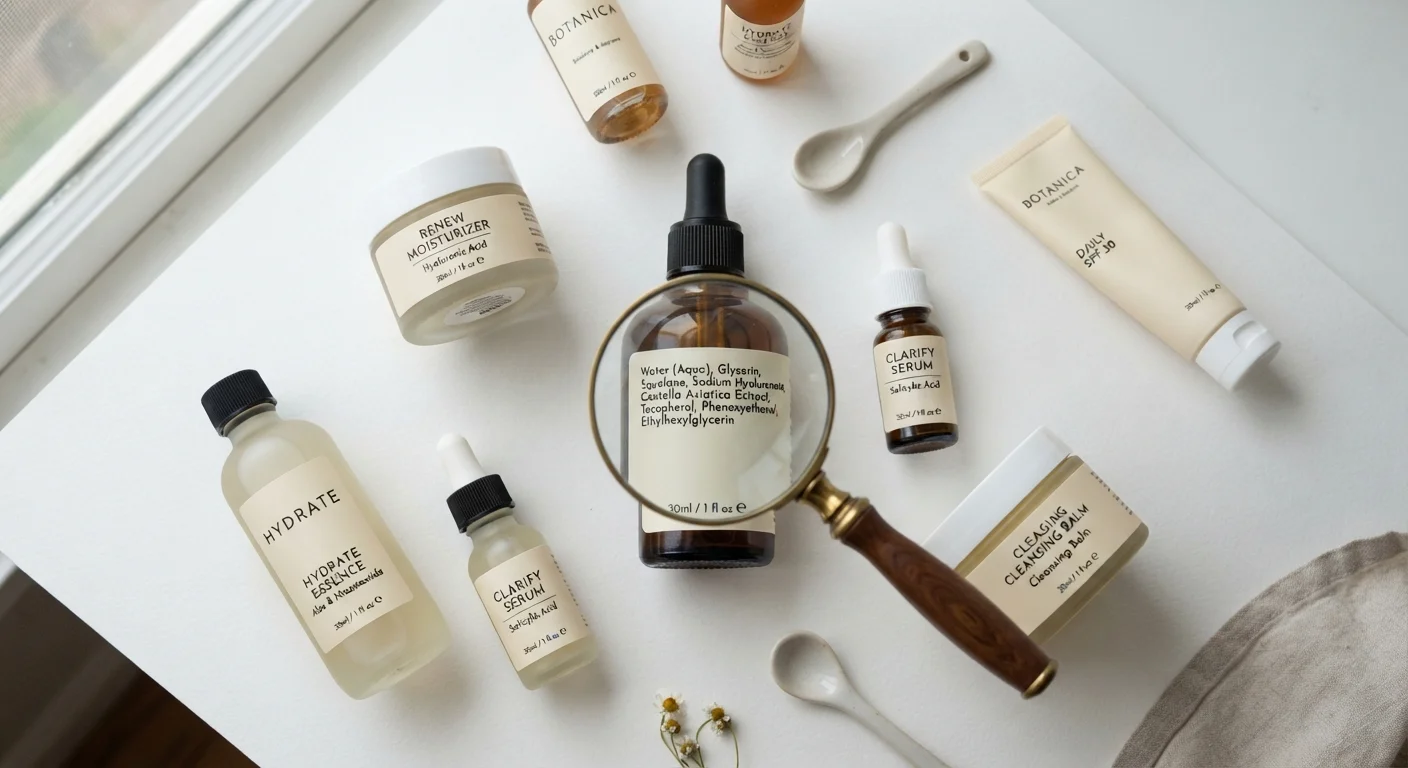
Photo credit: TheBlogZappier.com | Simple Search, Credible Results
In this article
Fragrance is one of the most common skin irritants in cosmetics. Learn how it's listed on labels, what reactions it can trigger, and how to navigate it.
Key Takeaways
- "Fragrance" or "Parfum" on a label can legally conceal dozens of undisclosed chemical compounds.
- Both synthetic and natural fragrances can trigger skin reactions in sensitive individuals.
- Fragrance-free and unscented are not the same thing — unscented products may still contain masking fragrances.
- Patch testing is a practical first step before committing to any new scented product.
- Sensitization can develop over time, meaning reactions may appear even with products used previously without issue.
Why Fragrance Is a Unique Challenge in Skincare
Fragrance serves no functional skincare purpose — it exists purely to make a product smell appealing. Yet it consistently ranks among the leading causes of cosmetic-related contact dermatitis, according to dermatology literature. The challenge for consumers is that fragrance can be hard to identify and even harder to avoid, because it hides behind a single word on ingredient labels while representing a complex mixture of chemicals.
This isn't just relevant to people with diagnosed skin conditions. Sensitivity to fragrance exists on a spectrum, and reactions can develop in anyone over time through a process called sensitization — repeated exposure to a compound gradually teaches the immune system to treat it as a threat. Once sensitization occurs, future exposure to even small amounts can trigger a reaction.
Sensitization Can Develop at Any Time
It's possible to use a fragranced product for months or years before developing a reaction. This occurs because sensitization is cumulative — each exposure can incrementally prime the immune system. A reaction appearing in a long-used product doesn't mean the product changed; it may mean your skin's tolerance threshold has been reached.
For a broader understanding of how ingredients are named and listed on U.S. cosmetic labels, see our guide to reading cosmetics ingredient lists.
How Fragrance Appears on Labels — and What's Hidden
Under U.S. FDA regulations, cosmetic manufacturers may list an entire scent formula under the single entry "Fragrance" or "Parfum." This trade-secret protection means consumers have no visibility into what specific compounds are present — which is a significant transparency gap for anyone trying to identify personal triggers.
However, there are signals worth knowing:
- EU-disclosed allergens: The European Union requires individual disclosure of 26 known fragrance allergens above certain concentrations. Some brands selling globally voluntarily include these on U.S. labels, so terms like linalool, limonene, geraniol, and eugenol may appear separately.
- Essential oils listed individually: Ingredients like lavender oil, bergamot, or rose extract are natural fragrance sources and are typically listed by name — they are not hidden under "Fragrance" but are equally capable of causing reactions.
- "Naturally derived" claims: These do not indicate hypoallergenic properties. Natural fragrance compounds can be potent sensitizers.
~26
Fragrance allergens requiring individual EU label disclosure
The European Union's cosmetics regulation mandates separate listing of 26 specific fragrance allergens above threshold concentrations, a standard that does not apply in the U.S.
Top 5
Consistent rank of fragrance among cosmetic allergens
Fragrance has consistently been identified as one of the most frequent causes of allergic contact dermatitis in dermatology patch-test studies across multiple decades of research.
Understanding label conventions is foundational. Our ingredient decoder article covers the broader landscape of what common skincare actives actually do.
Fragrance-Free vs. Unscented: A Critical Distinction
These two label claims are frequently confused, but they describe meaningfully different formulations:
- Fragrance-free
- No scent-producing ingredients were intentionally added. This is generally the more protective claim for sensitive skin.
- Unscented
- The product has no detectable scent, but this may have been achieved by adding masking fragrances — compounds that neutralize the natural odor of other ingredients without adding a pleasant scent. The product may still contain fragrance chemicals.
For people managing reactive or sensitive skin, fragrance-free products are the more reliable choice — though reading the full ingredient list remains important, since no regulatory standard requires third-party verification of "fragrance-free" claims on U.S. cosmetics.
What to Look for When Shopping Fragrance-Free
Look specifically for "fragrance-free" phrasing rather than just "unscented" or "gentle." Scan the ingredient list for essential oils, plant extracts used for scent (such as lavender, eucalyptus, or citrus oils), and EU-listed allergen names like linalool or limonene. Cross-referencing with resources like the cosmetics ingredient label guide can help build familiarity with these terms.
Practical Steps for Navigating Fragrance Sensitivity
Managing fragrance sensitivity is largely about building informed habits rather than eliminating all products. A few evidence-informed approaches:
- Patch test consistently. Before using any new leave-on product — moisturizer, serum, foundation — apply a small amount to the inner forearm or behind the ear. Wait 24 to 48 hours and observe for any reaction before wider use.
- Prioritize leave-on over rinse-off products. Fragrances in rinse-off products like shampoos and body washes have shorter contact time with skin, which may reduce reaction risk. Leave-on products like moisturizers and serums maintain extended contact and carry higher potential for sensitization.
- Check all product categories. Fragrance is present across beauty categories — body lotions, lip products, sunscreens, and even some makeup formulations. Our makeup for sensitive skin guide explores how formulation differences affect comfort for reactive skin types.
- Keep a reaction log. If reactions occur, noting the product and its ingredient list over time can help identify patterns or specific compounds to avoid.
If reactions are persistent, severe, or affecting quality of life, consulting a board-certified dermatologist is the appropriate next step — they can perform formal patch testing to identify specific allergens.
This article is for general informational purposes only and does not constitute medical or dermatological advice. Consult a qualified healthcare professional for guidance specific to your skin concerns or conditions.
Frequently Asked Questions

Author
Style & Beauty Editorial Team
Style & Beauty Editorial Team is the collective byline for our editorial team and contributor network. Articles published under this byline or an editorial pen name are researched, written, and reviewed according to our editorial standards for clarity, consistency, and independence before publication.
View all articles →